
 Apparel Boxes
 Cosmetics Boxes
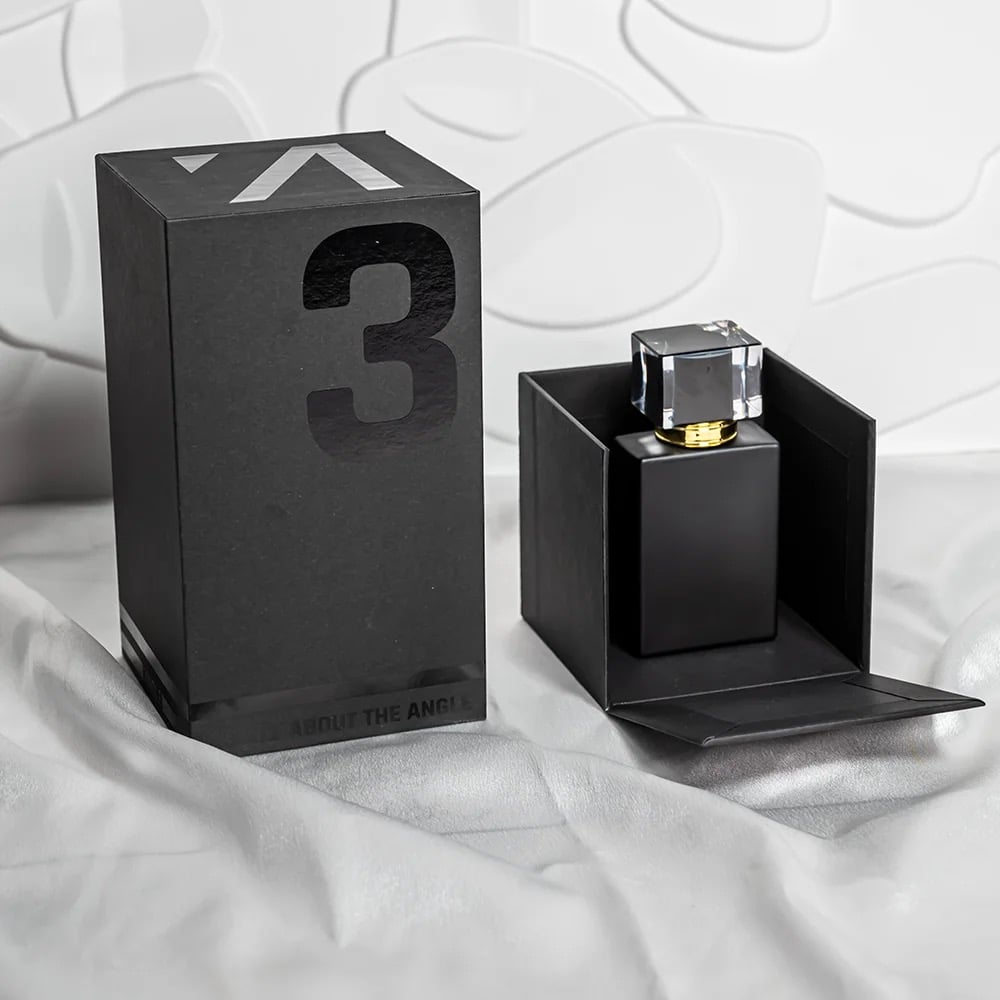 Perfume Boxes
 E-commence Boxes
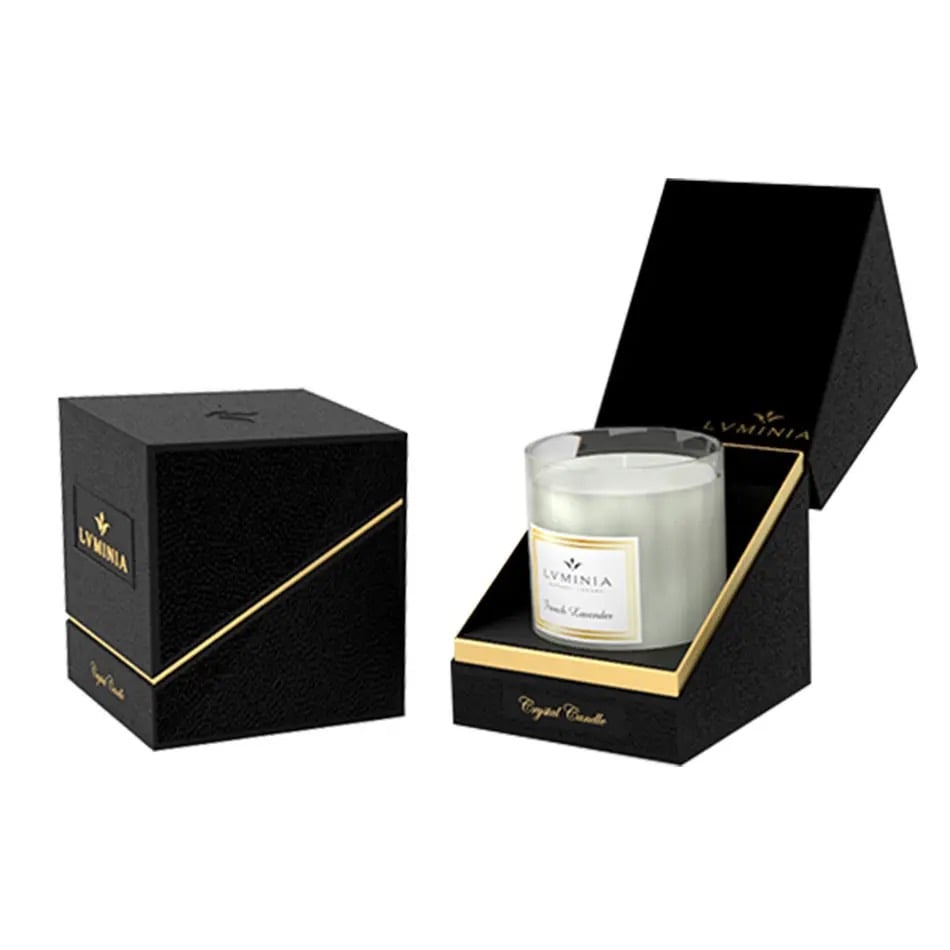 Candle Boxes
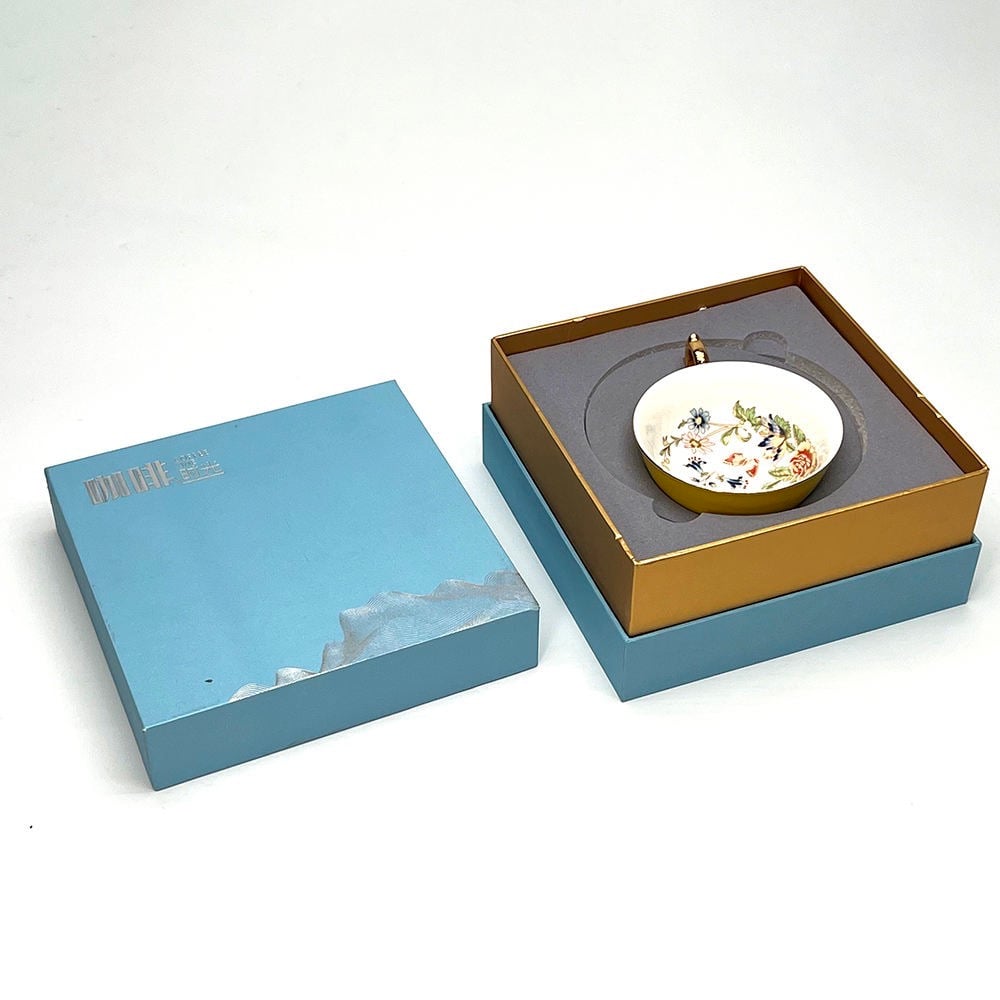 Mug Boxes
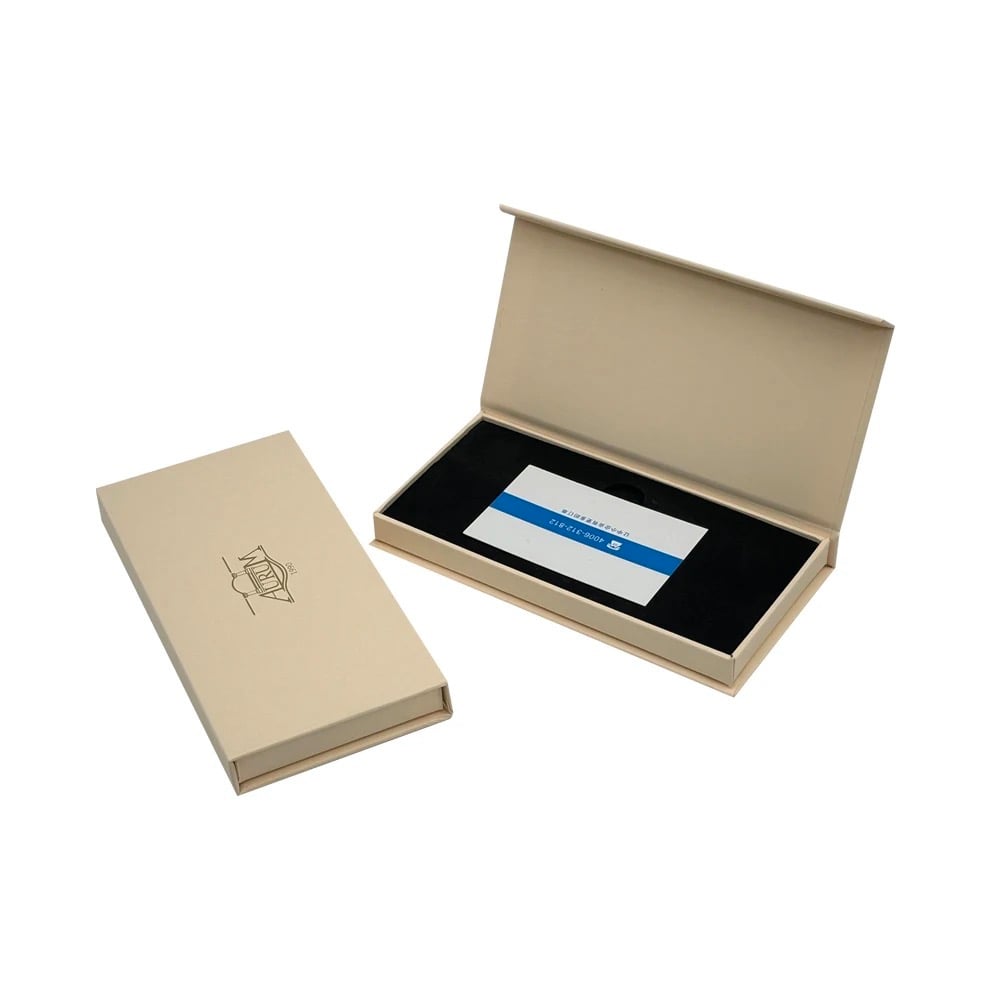 Business/Game Card Boxes
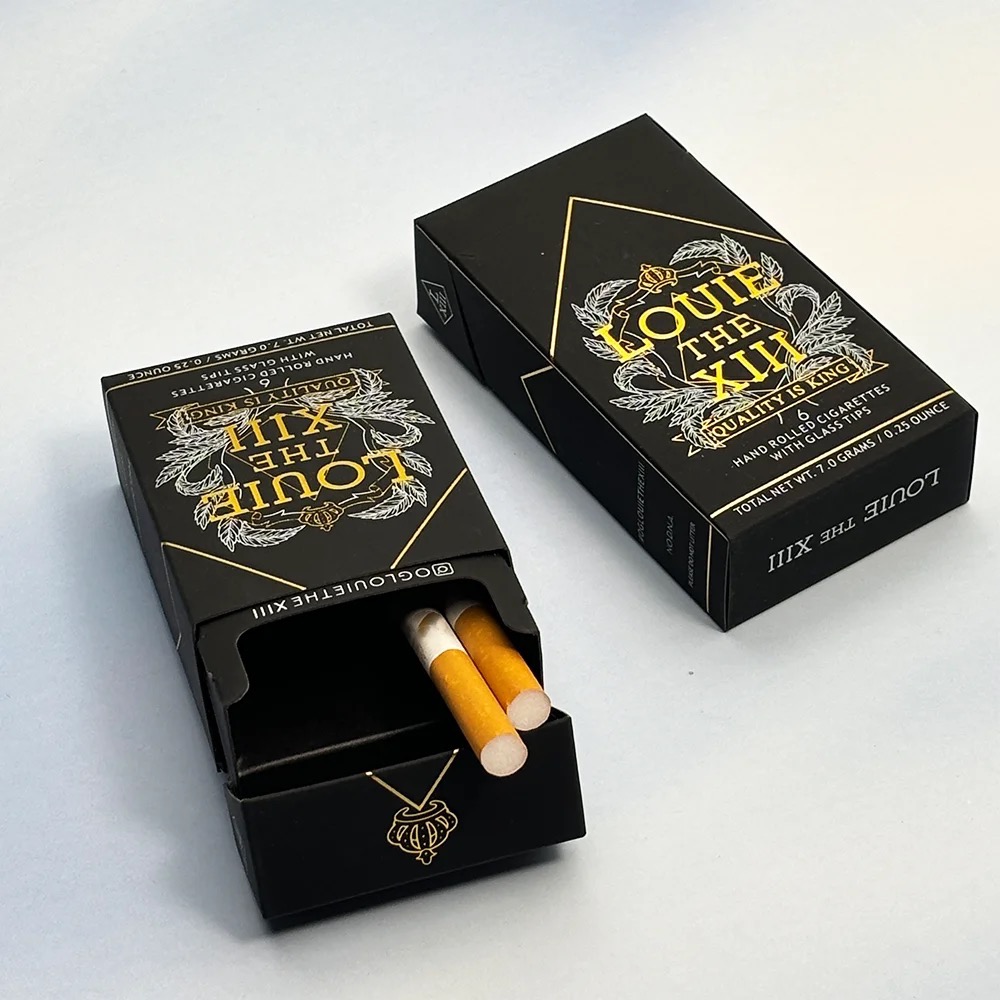 CBD Boxes
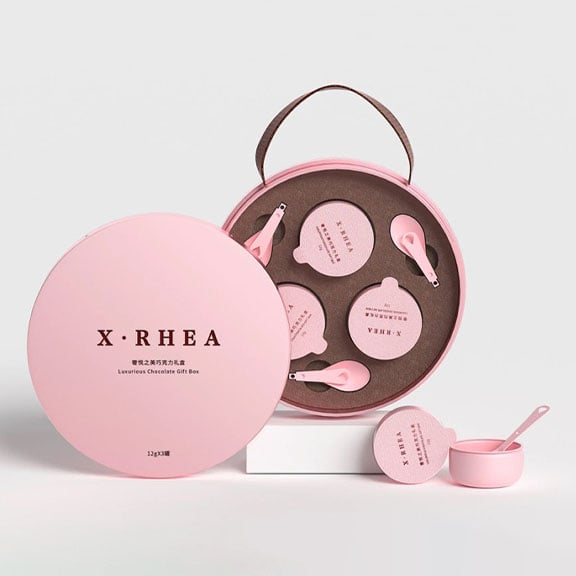 Chocolate Boxes
 Amazon Boxes
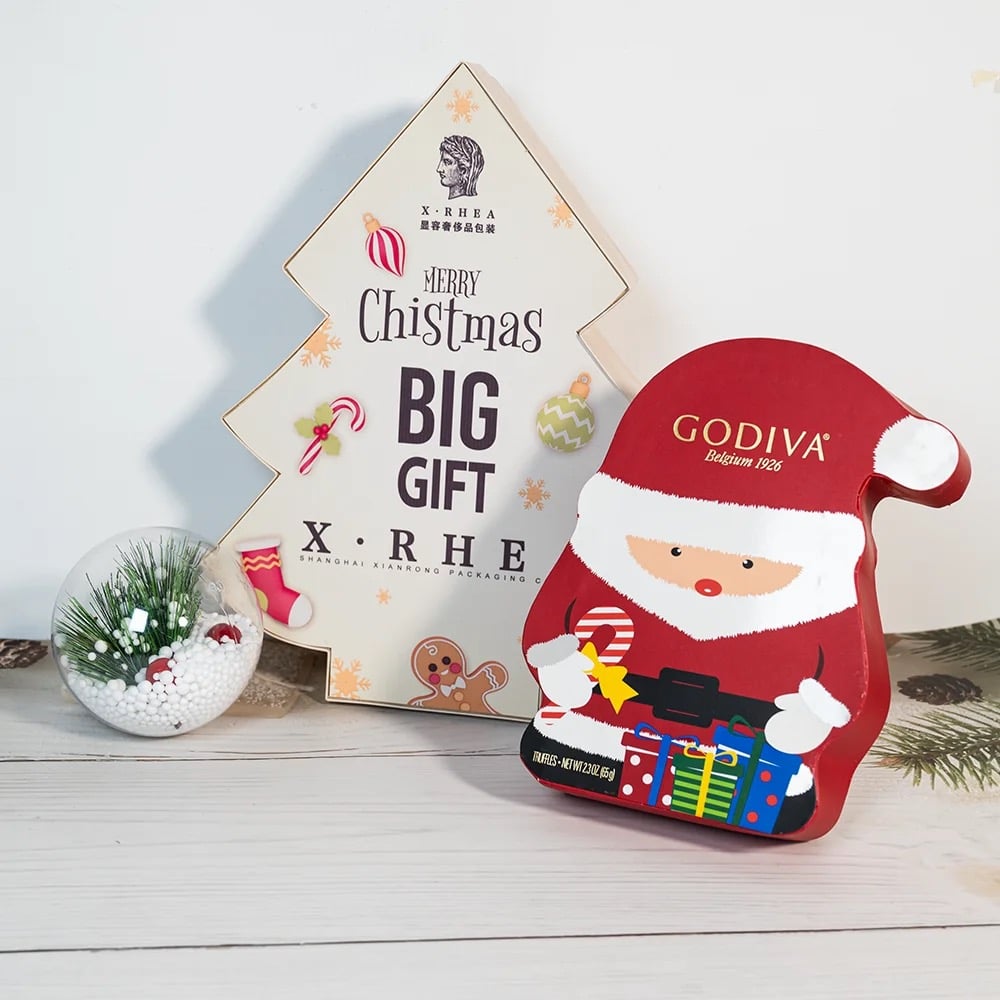 Christmas Boxes
 Jewelry Boxes
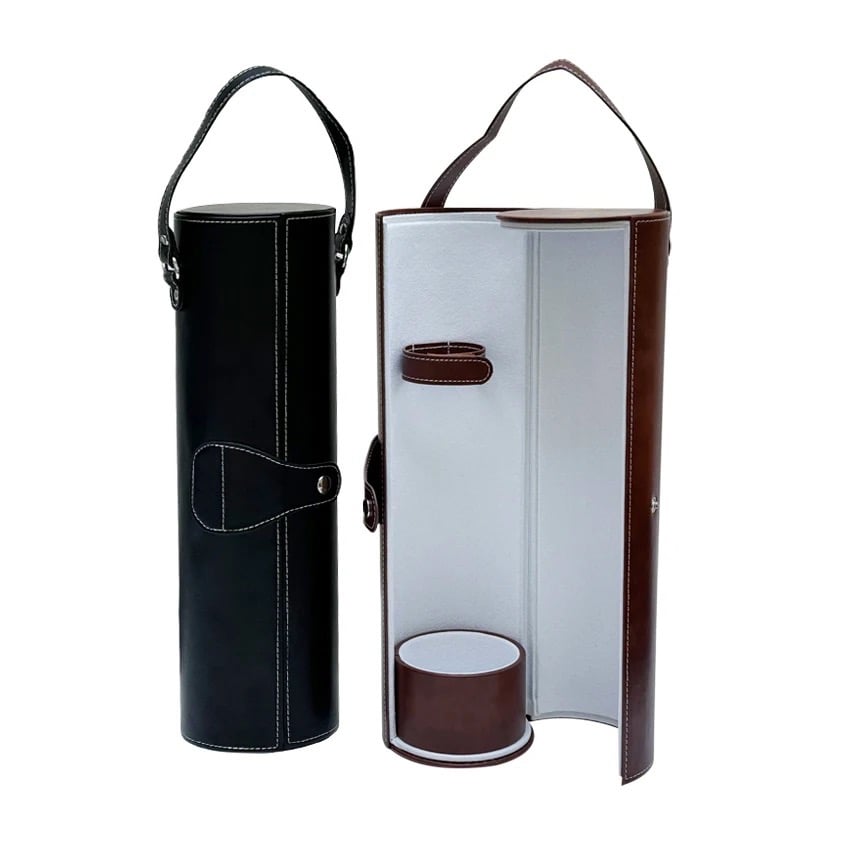 Wine Boxes
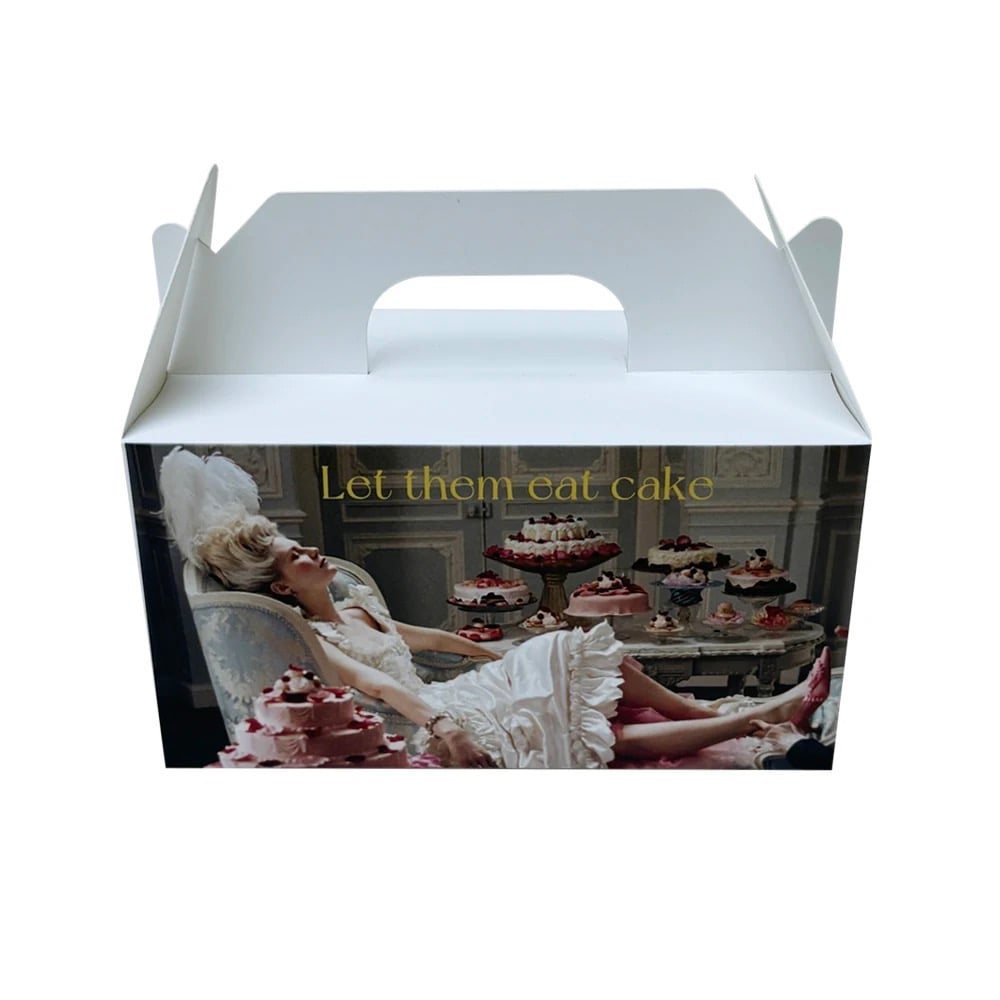 Food Boxes
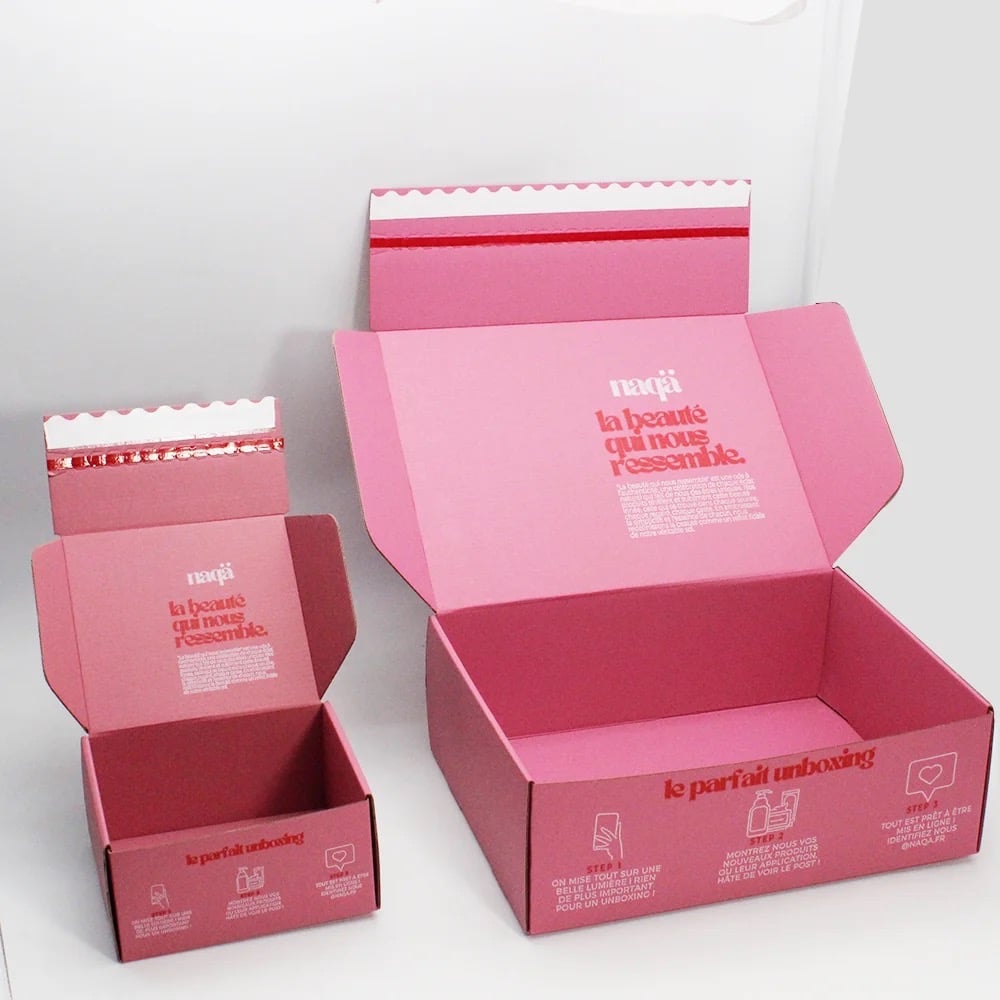 Shipping Boxes
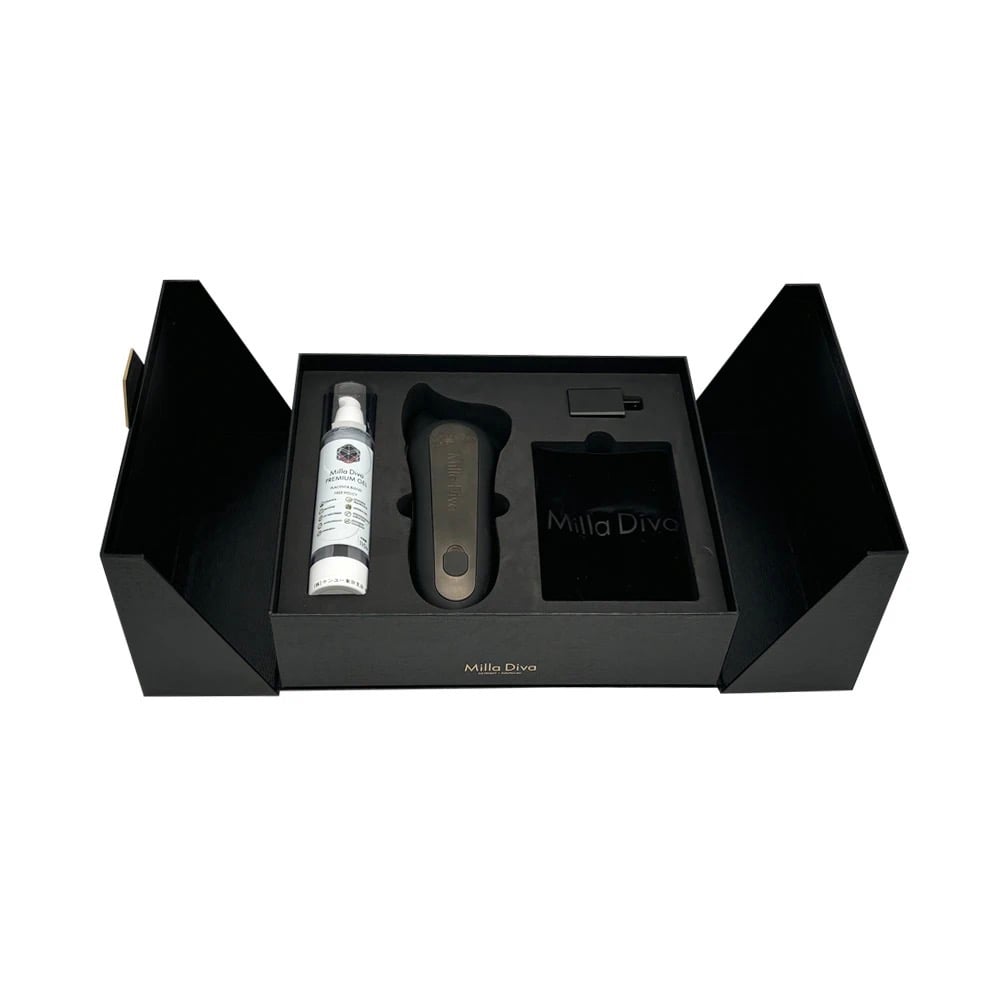 Electronic Boxes
 Pharmaceutical Boxes
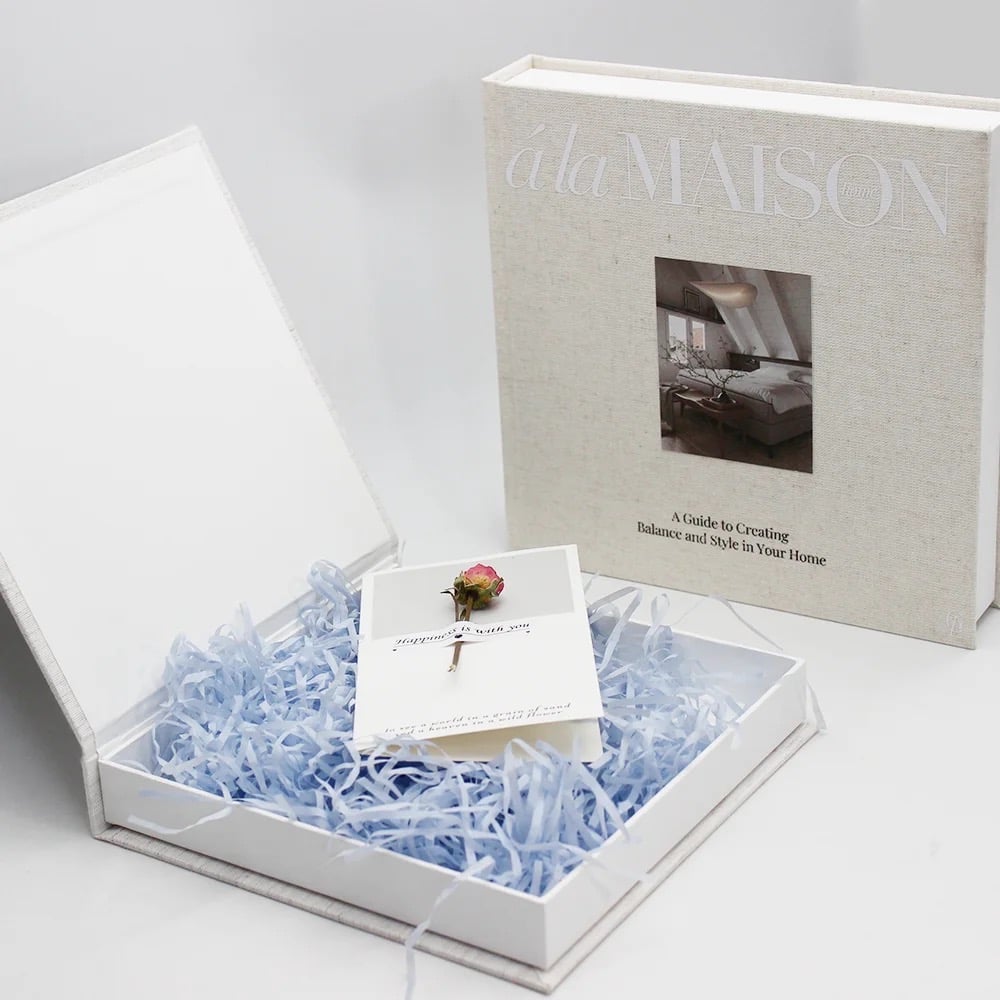 Presentation Boxes
 Magnetic Boxes
 Foldable rigid box
 Book shape rigid box
 Double door open box
 Card Boxes
 Game card box
 Business card box
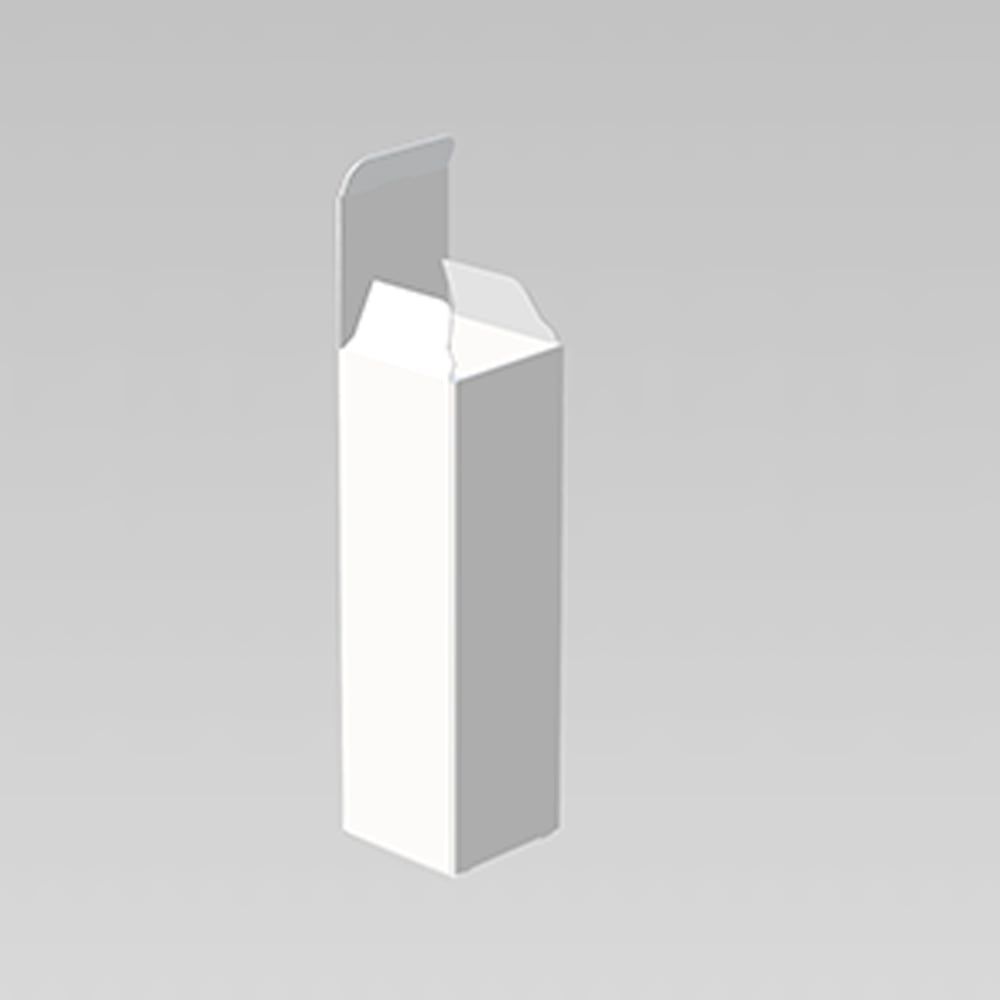 Folding carton
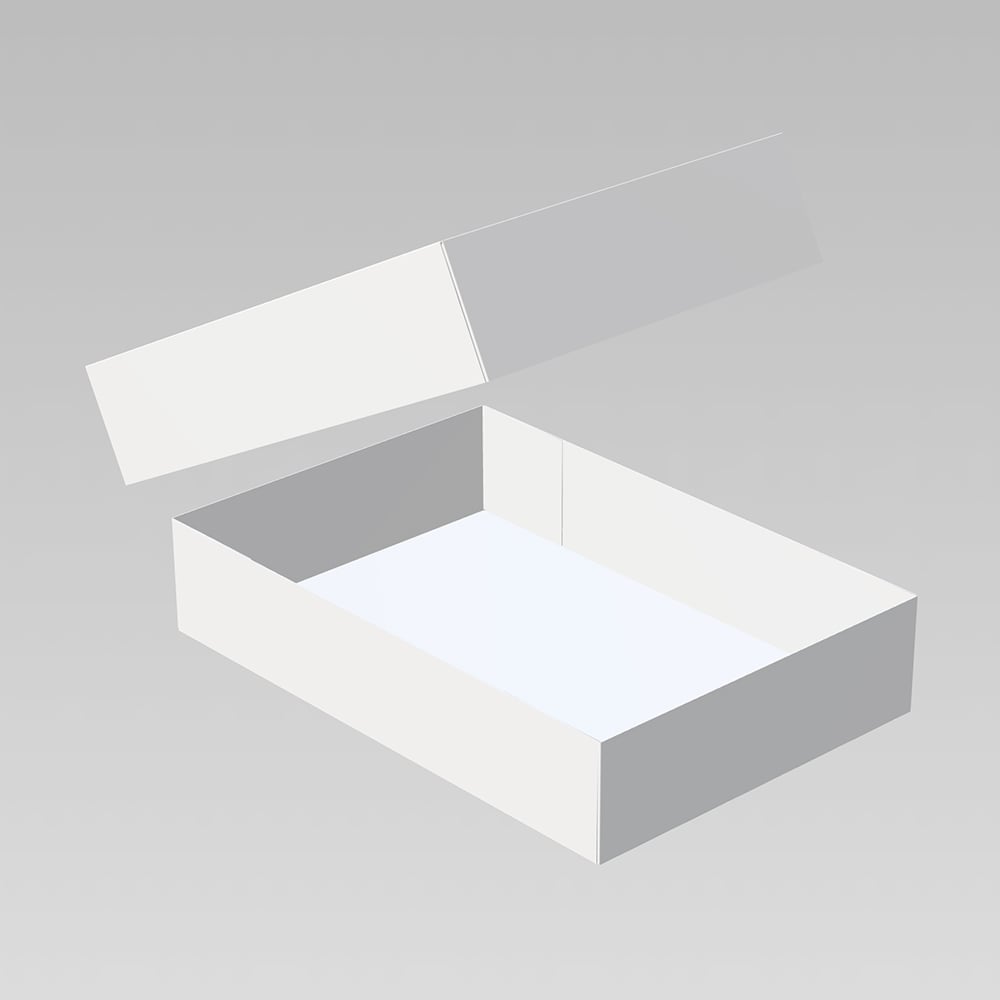 Lid & Base box
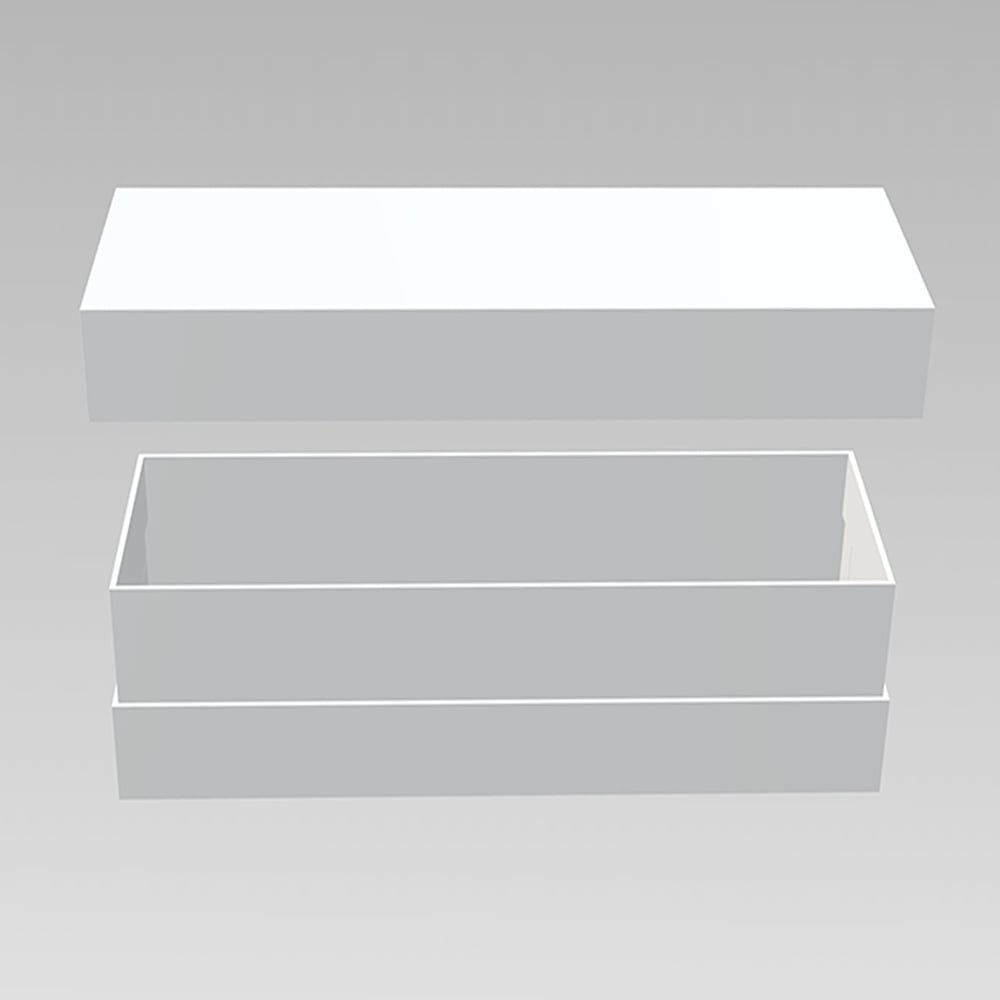 Shoulder & Neck box
 Hinged/flip Llid Box
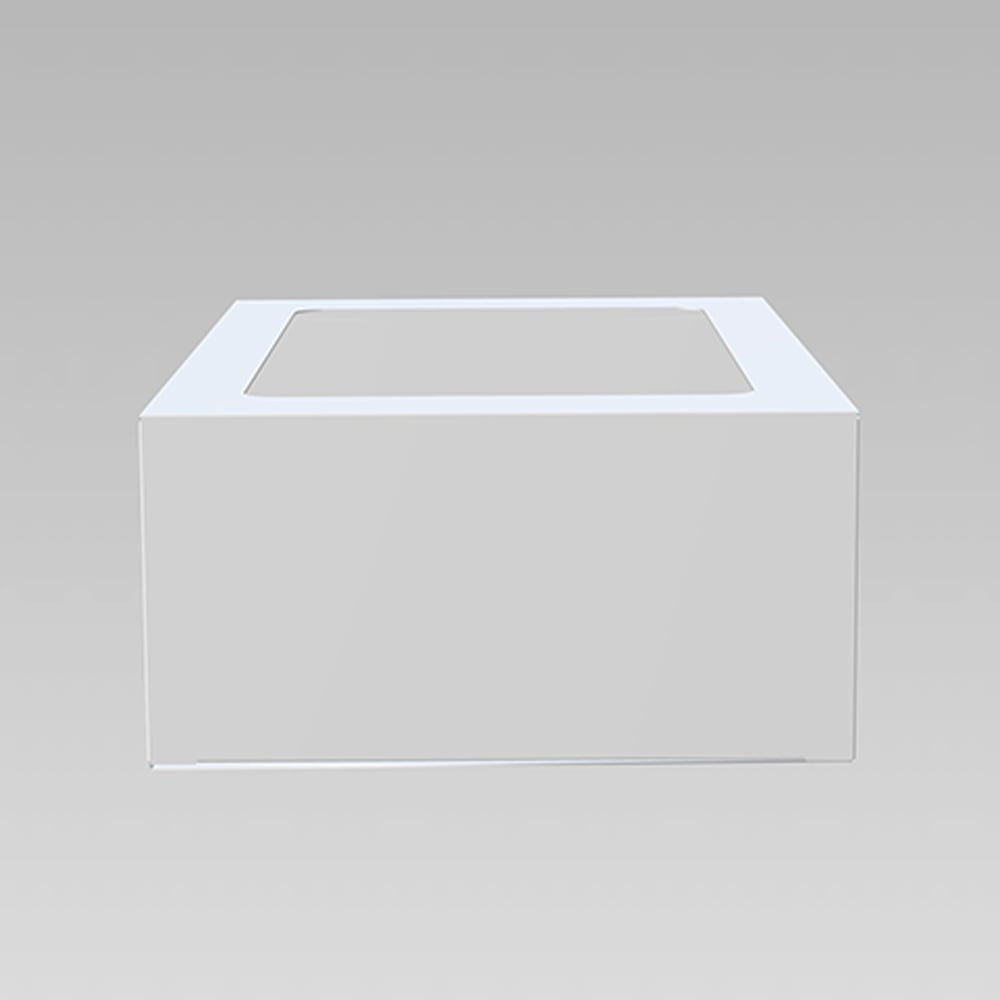 Lid with window
 Sliding Drawers
 Corrugated Mailer
 Special Shape Boxes
 Trading collector binder
 Tags
 Stickers & Labels
 Gift bags
 Round tube
 EN

Choosing the right paper thickness for your gift box is crucial for ensuring that your packaging not only protects its contents but also enhances the overall presentation. Buyers often face concerns regarding the durability, cost-effectiveness, and aesthetic appeal of gift boxes. This article will help you navigate the key specifications, applications, and common issues associated with selecting the appropriate paper thickness for your gift boxes
Key Specifications for Selecting Gift Box Paper Thickness
When determining the right paper thickness for gift box suppliers, several key specifications come into play
Caliper (Thickness): Measured in millimeters or points, the caliper indicates the paper's thickness. Thicker paper (around 0.3-0.5 mm) provides more rigidity and is ideal for heavier items, while thinner paper (around 0.2 mm) is suitable for lighter contents
Burst Strength: This refers to the paper's ability to withstand pressure without breaking. It is crucial for gift boxes that may be stacked or transported. A higher burst strength rating indicates better resistance to damage
Tensile Strength: This measures how much force the paper can withstand while being stretched. Higher tensile strength is essential for boxes that require additional durability during handling and shipping
Weight: Often expressed in grams per square meter (GSM), the weight of the paper correlates with its thickness and durability. A heavier GSM usually means a sturdier box, which is a consideration for both product protection and presentation
Understanding these specifications helps buyers make informed decisions based on the intended use of the gift box, ensuring that the chosen thickness aligns with the packaging requirements
Comparing Paper Thickness for Various Gift Box Applications
Different applications necessitate varying levels of paper thickness for optimal performance
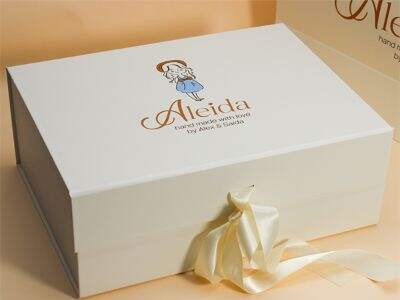
Luxury Gift Boxes: For high-end products, thicker paper (350-400 GSM) is often used to convey quality and sophistication. This thickness ensures that the box maintains its shape and provides adequate protection, enhancing the un-boxing experience
Retail Packaging: In retail settings, gift boxes may need to withstand multiple handling instances. A thickness of 250-300 GSM is common, balancing durability and cost-effectiveness while also allowing for vibrant printing and branding
E-commerce Shipping: For boxes intended for shipping, a thickness of 300-350 GSM is recommended. This ensures that the boxes can withstand the rigors of transport while still looking appealing upon delivery
Corporate Gifts: When packaging corporate gifts, the paper thickness should reflect the brand's image. A thickness of around 300 GSM is suitable, offering a professional look without compromising on protection
Selecting the appropriate paper thickness based on the application not only enhances the product's safety but also aligns with the brand's presentation and messaging
Understanding Cost Factors in Gift Box Paper Thickness Selection
Cost is a significant factor in selecting paper thickness for small cardboard gift boxes. Several components influence pricing
Material Quality: Higher-quality paper materials, such as FSC-certified paper, tend to be more expensive but offer benefits in sustainability and aesthetics. Buyers should weigh the benefits of using sustainable materials against their budget constraints
Customization Options: Custom printing, embossing, or finishing treatments can add to the overall cost. Thicker papers often require specialized printing processes, which can increase expenses
Production Volume: Bulk orders typically result in lower per-unit costs. Buyers should consider their minimum order quantities (MOQ) and how that affects the overall investment in packaging
Lead Time: Faster production times may incur additional costs. Buyers should balance the need for quick turnaround with budget considerations, keeping in mind that more complex printing on thicker paper may require longer lead times
Being aware of these cost factors allows buyers to make strategic decisions that align with their financial goals while still achieving the desired packaging quality
Common Problems with Gift Box Paper Thickness and Their Solutions
Selecting the wrong paper thickness can lead to several common issues. Here are some problems and their corresponding solutions
Insufficient Durability: If a gift box is made from paper that is too thin, it may not provide adequate protection, leading to damage during shipping or handling. To solve this, buyers should opt for a thicker paper or consider adding reinforcements, such as a thicker base or internal partitions
Poor Aesthetics: Thinner paper may not hold printed designs well, leading to a less appealing appearance. To address this, it’s advisable to request samples and conduct a visual quality check before final approval. Ensuring that the chosen thickness can support high-quality printing is vital
Incompatibility with Machinery: In some cases, the thickness may not be compatible with packaging machinery, resulting in production delays or failures. Buyers should communicate with suppliers about the paper thickness and its compatibility with their packaging equipment to avoid these issues
Increased Costs: If a buyer chooses excessively thick paper without understanding the requirements, it can lead to higher costs without added value. Conducting a needs assessment based on the product’s characteristics and expected handling can help in selecting the right thickness without overspending
By anticipating these common problems, buyers can make informed choices that enhance the effectiveness of their packaging

Installation Tips for Gift Boxes Based on Paper Thickness Choices
When it comes to installing or assembling flat pack gift boxes, the chosen paper thickness can significantly impact the process. Here are some tips
Pre-Folding: For thicker paper, pre-folding along score lines can ease assembly. This helps maintain the box's shape and ensures that the edges align correctly during final assembly
Adhesive Selection: The type of adhesive used may vary with paper thickness. For thicker materials, a stronger adhesive may be necessary to ensure durability and longevity. Always test adhesive compatibility with the paper before full-scale application
Handling Techniques: Thicker boxes can be more rigid, which may require careful handling during assembly. Train staff on proper handling techniques to avoid damaging corners or edges
Sample Testing: Before mass production, it’s advisable to create a prototype using the selected paper thickness. This allows for a practical evaluation of assembly ease, aesthetics, and overall functionality
By following these installation tips, businesses can enhance their packaging processes, leading to a more effective product presentation and customer satisfaction
Selecting the right paper thickness for your gift box is a critical decision that impacts durability, cost, and aesthetics. By understanding the key specifications, applications, cost factors, common issues, and installation tips, you can make informed choices that align with your packaging needs and business goals.
Table of Contents
- Key Specifications for Selecting Gift Box Paper Thickness
- Comparing Paper Thickness for Various Gift Box Applications
- Understanding Cost Factors in Gift Box Paper Thickness Selection
- Common Problems with Gift Box Paper Thickness and Their Solutions
- Installation Tips for Gift Boxes Based on Paper Thickness Choices