
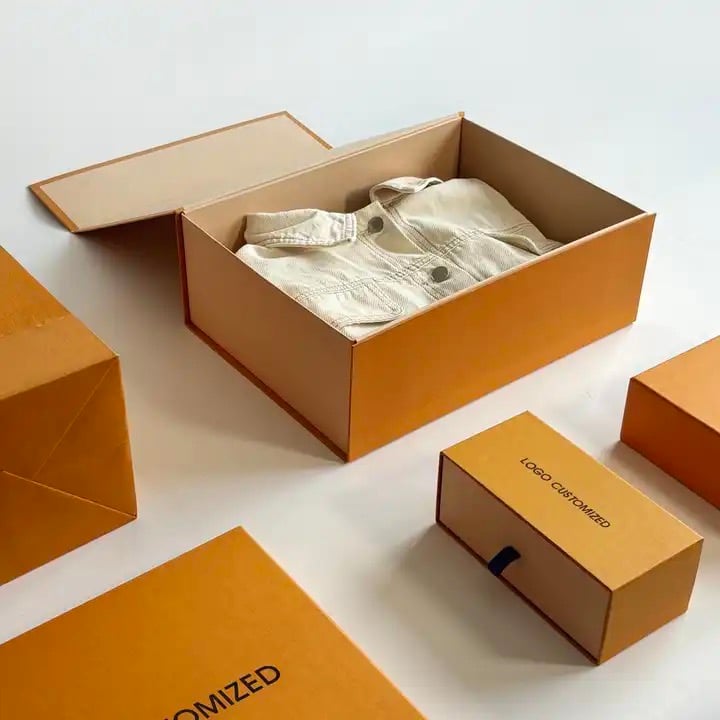
 Apparel Boxes
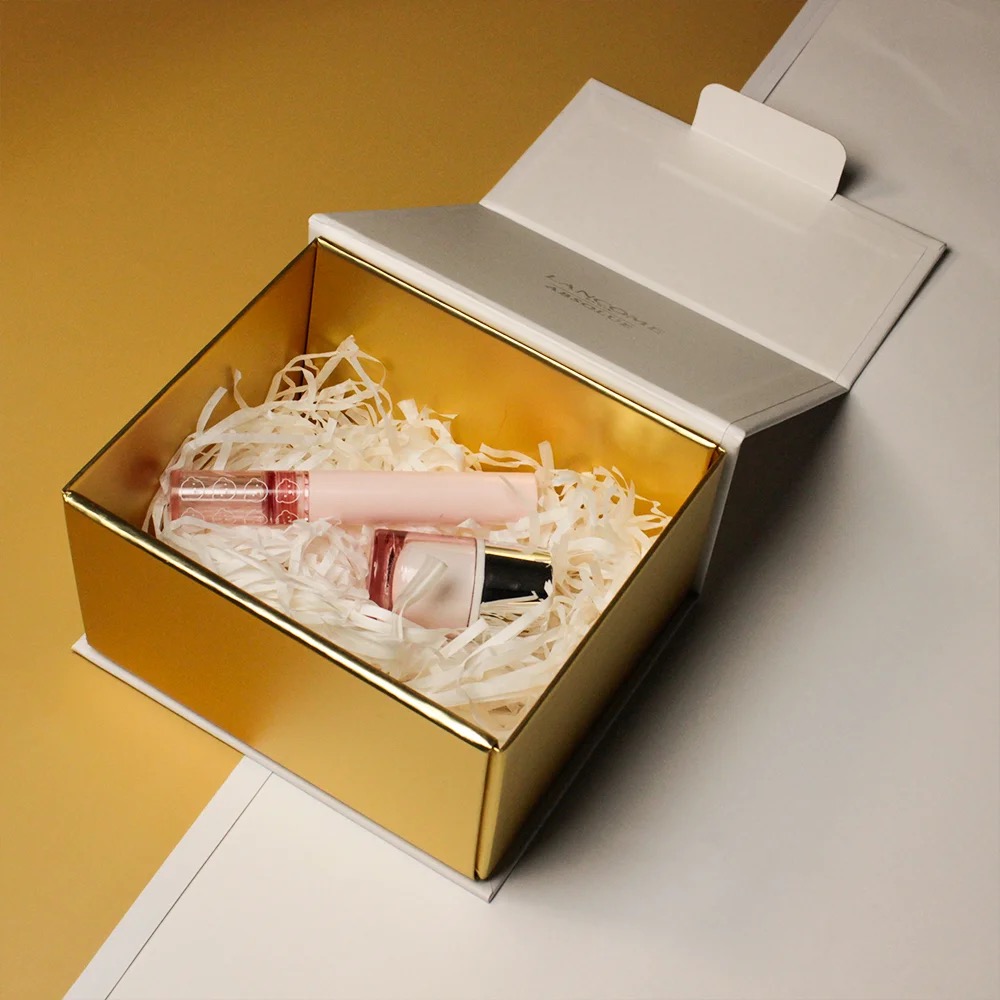 Cosmetics Boxes
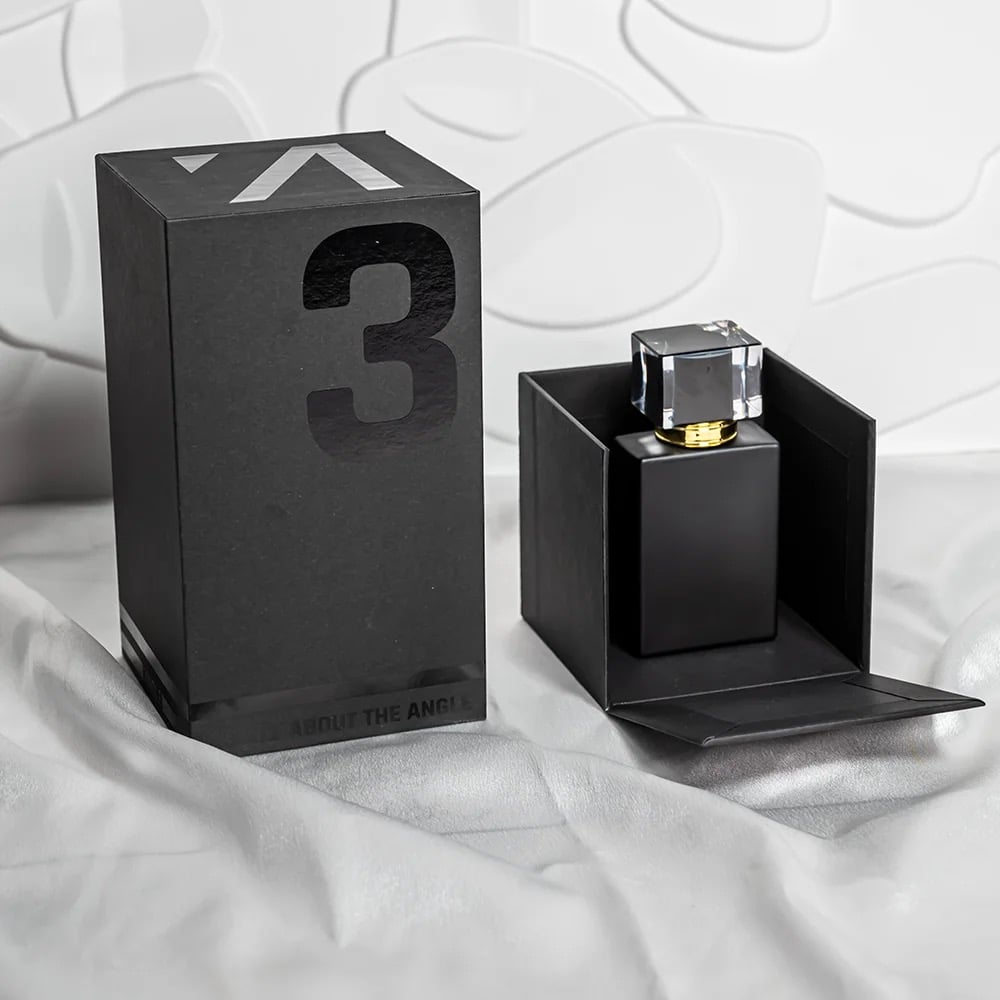 Perfume Boxes
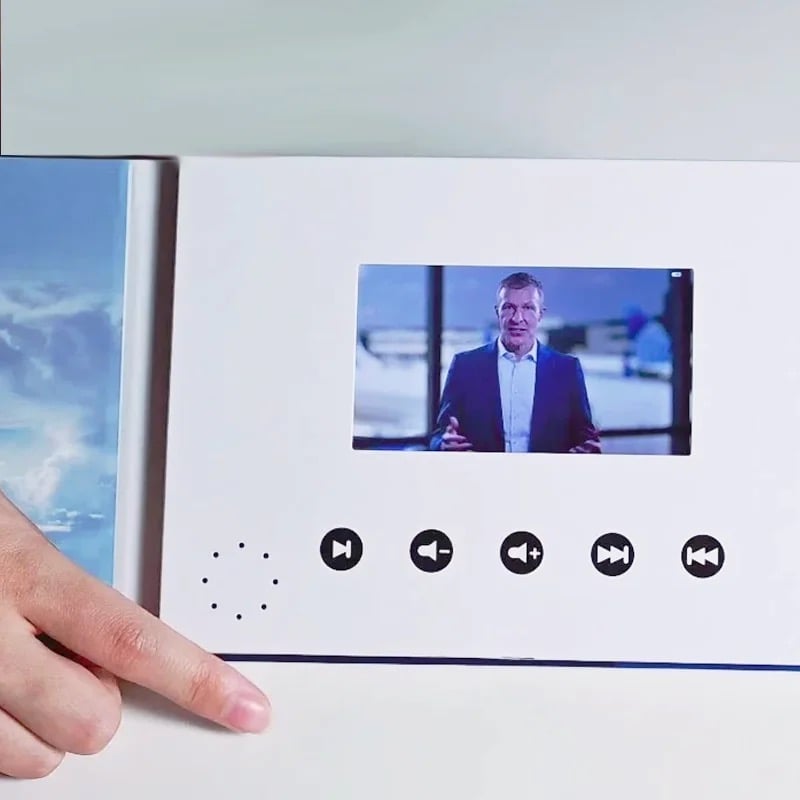 E-commence Boxes
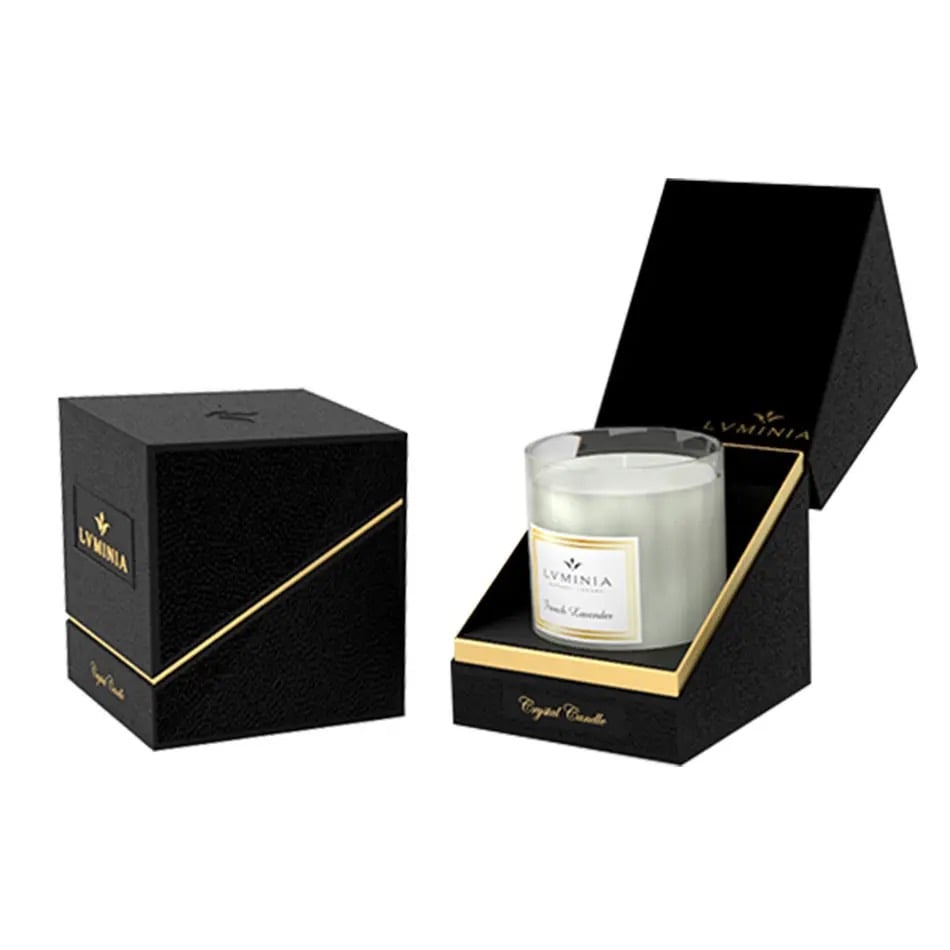 Candle Boxes
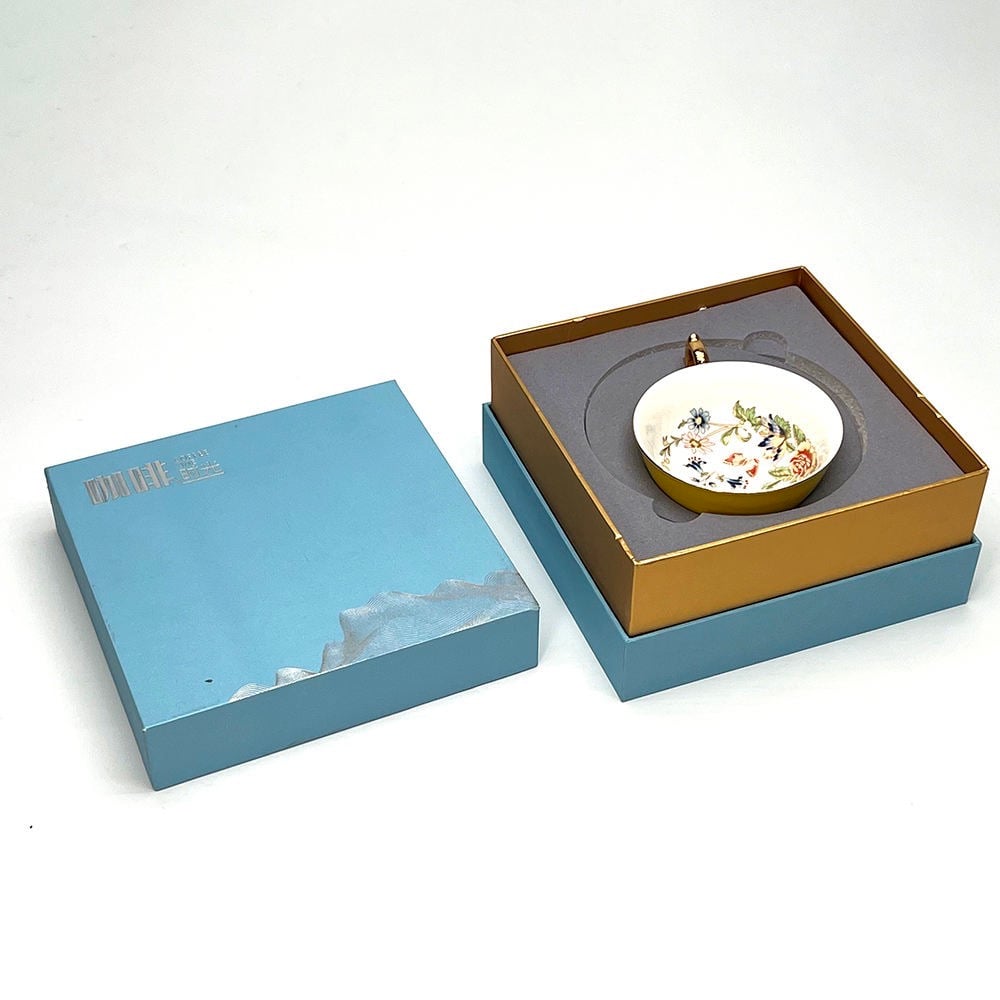 Mug Boxes
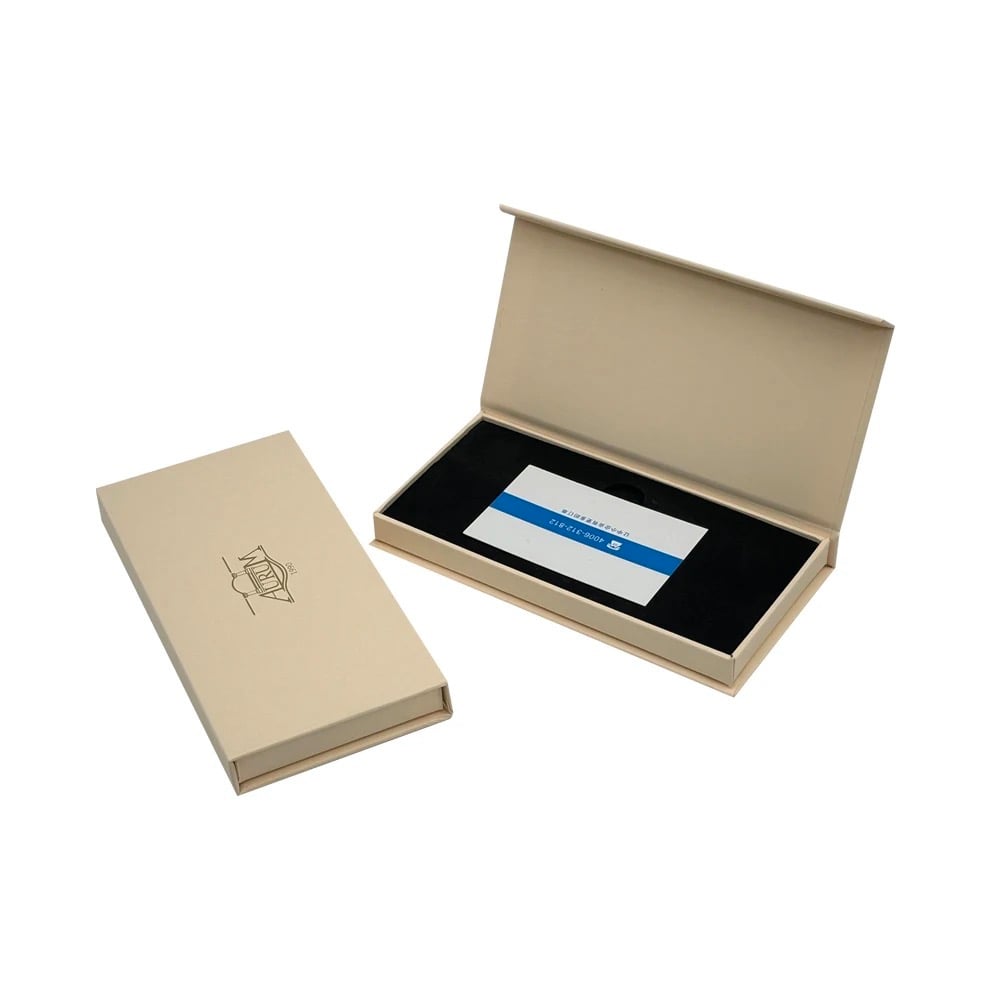 Business/Game Card Boxes
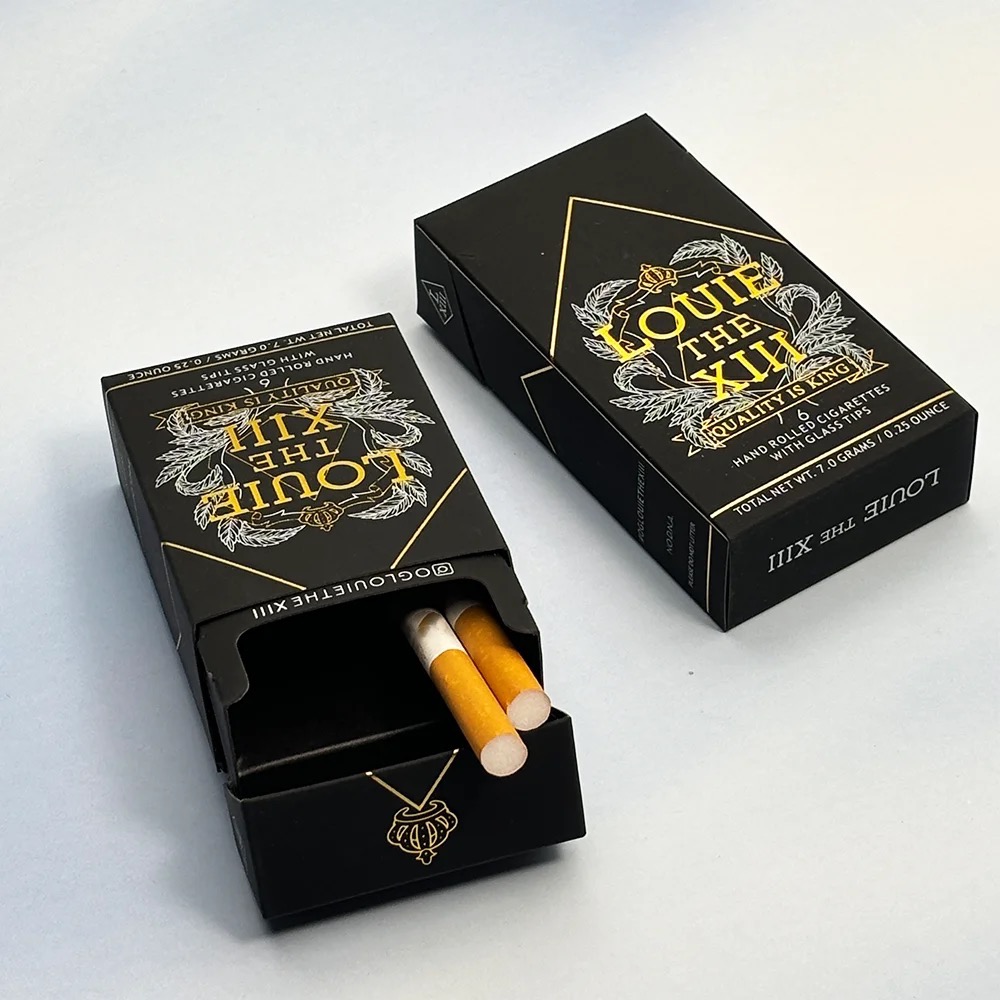 CBD Boxes
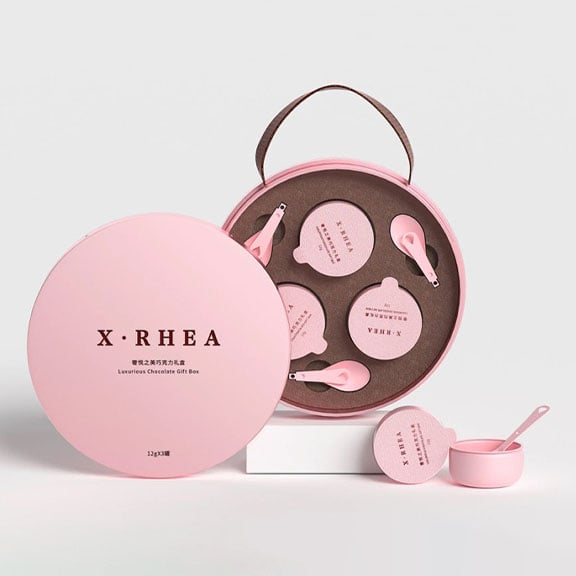 Chocolate Boxes
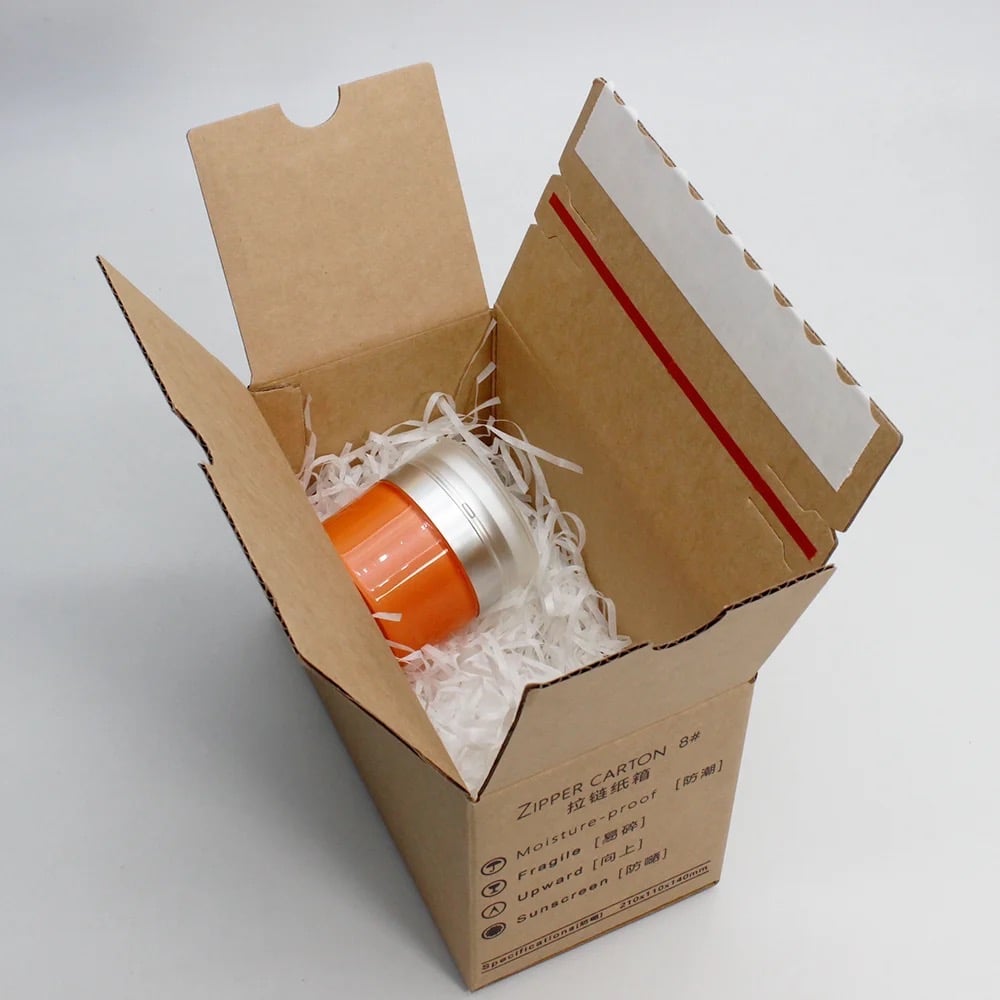 Amazon Boxes
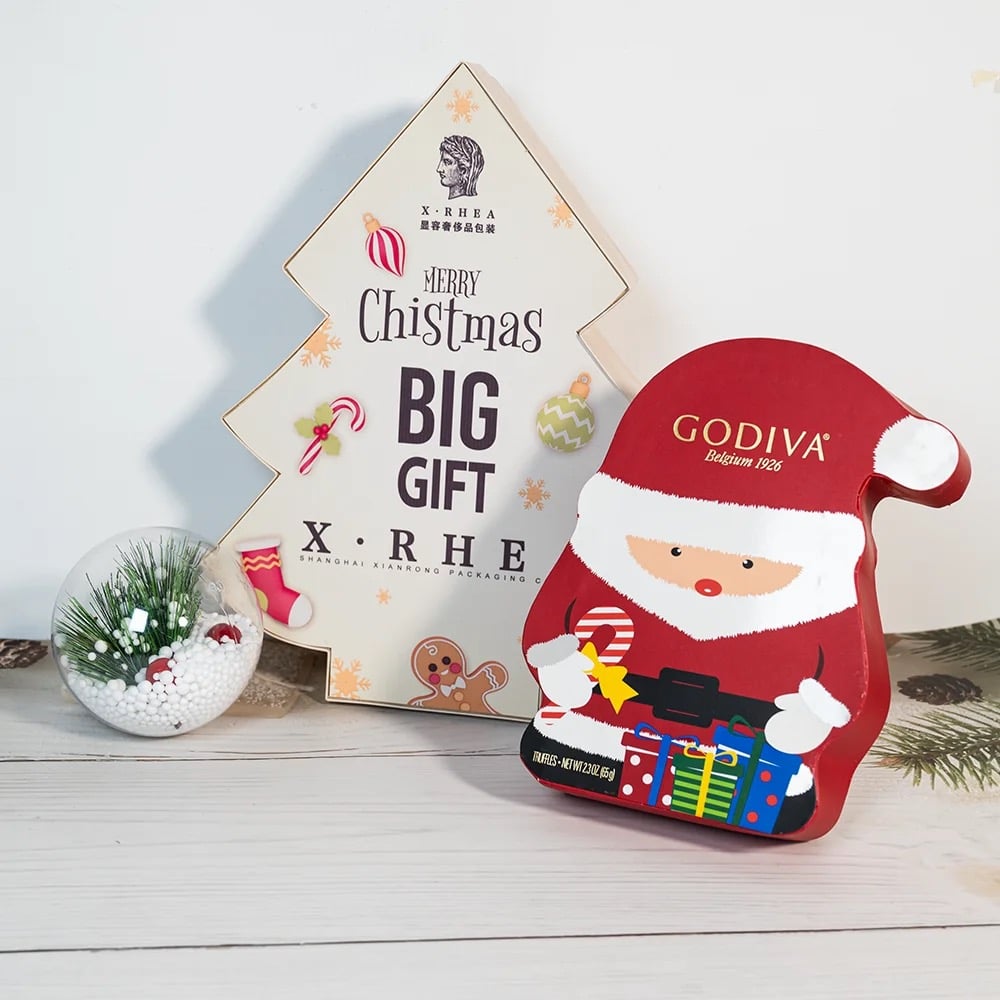 Christmas Boxes
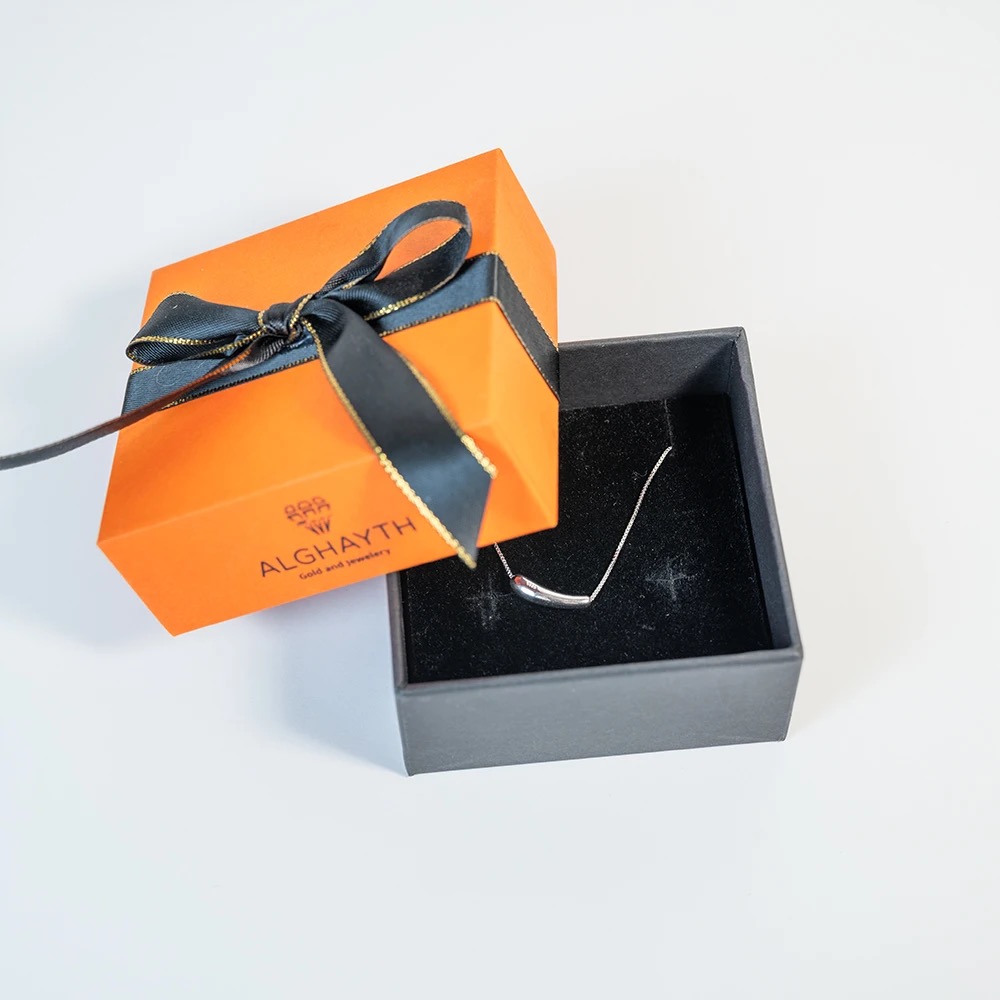 Jewelry Boxes
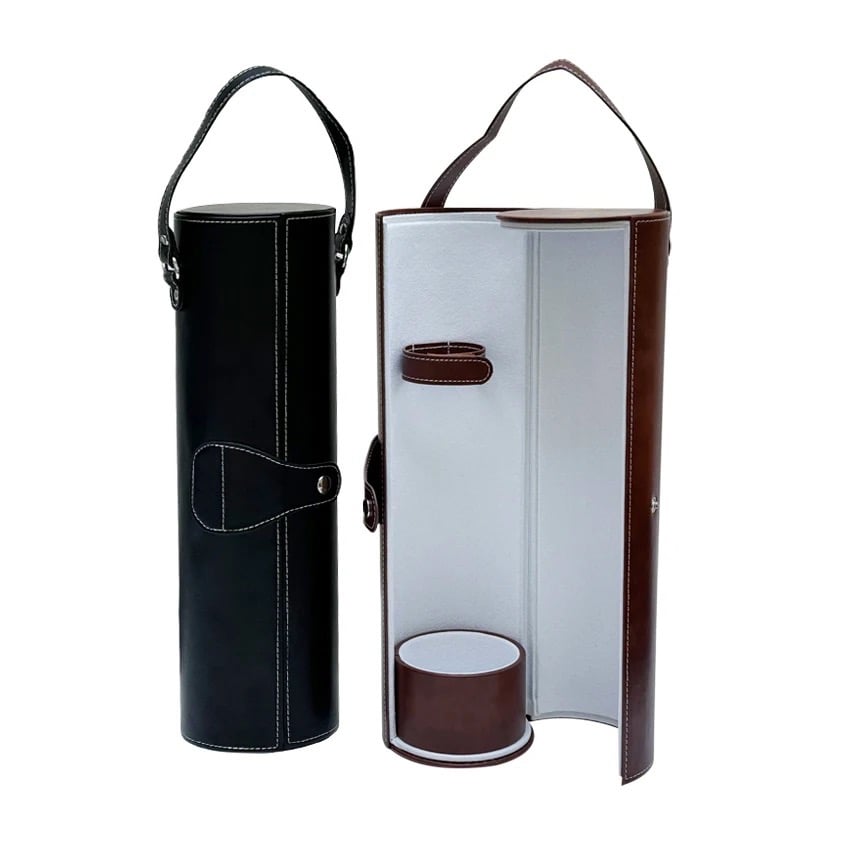 Wine Boxes
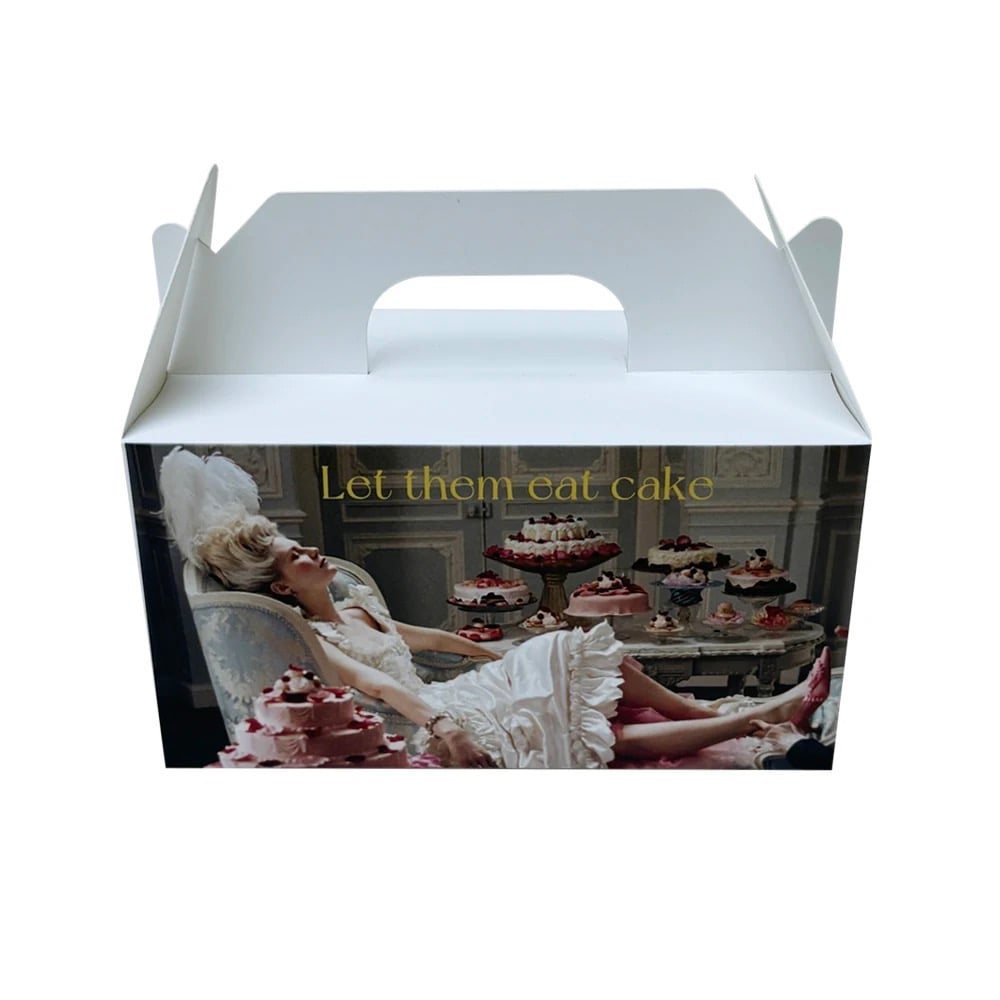 Food Boxes
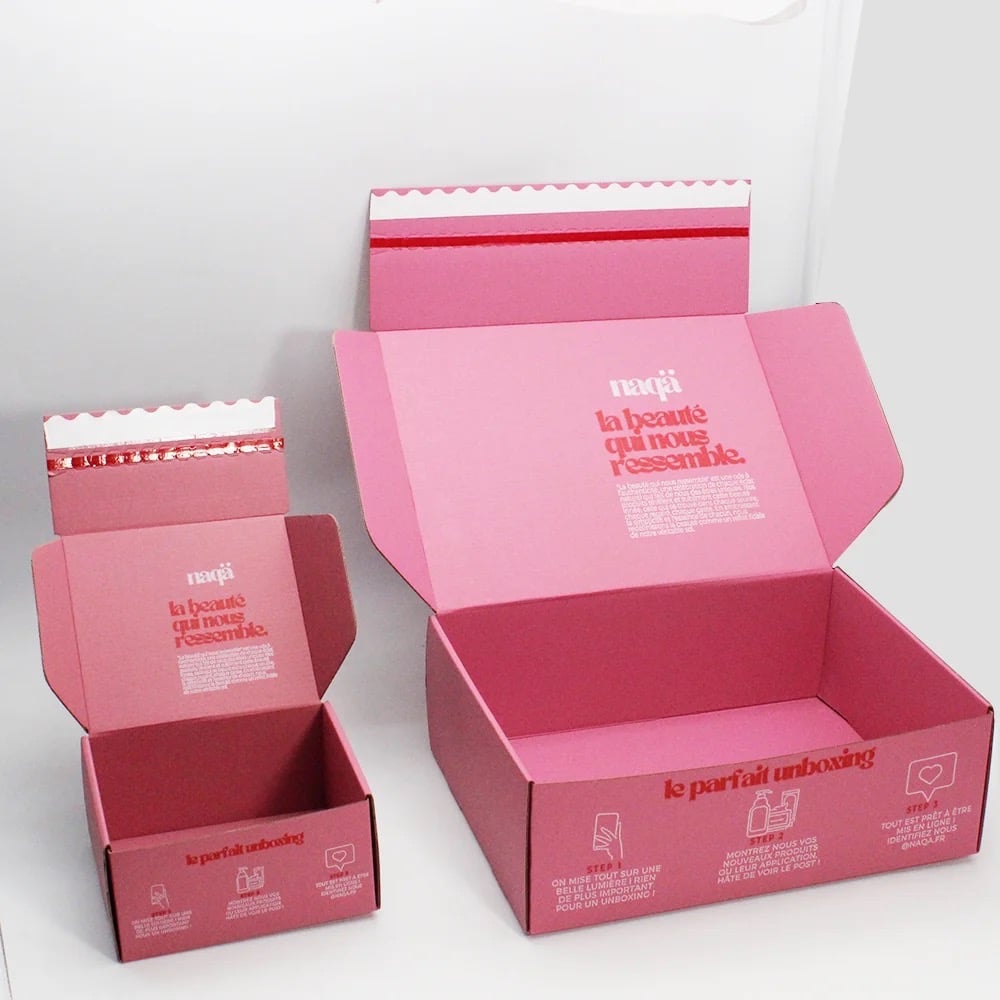 Shipping Boxes
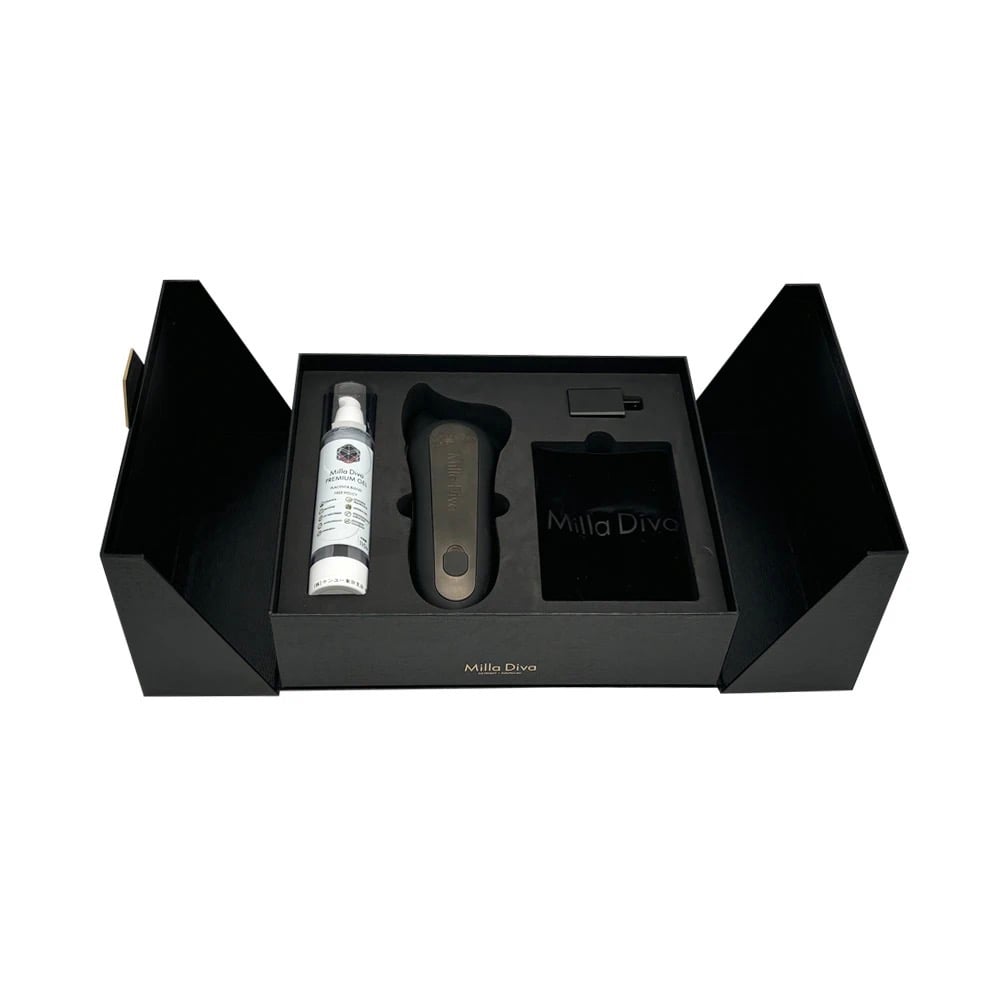 Electronic Boxes
 Pharmaceutical Boxes
 Presentation Boxes
 Magnetic Boxes
 Foldable rigid box
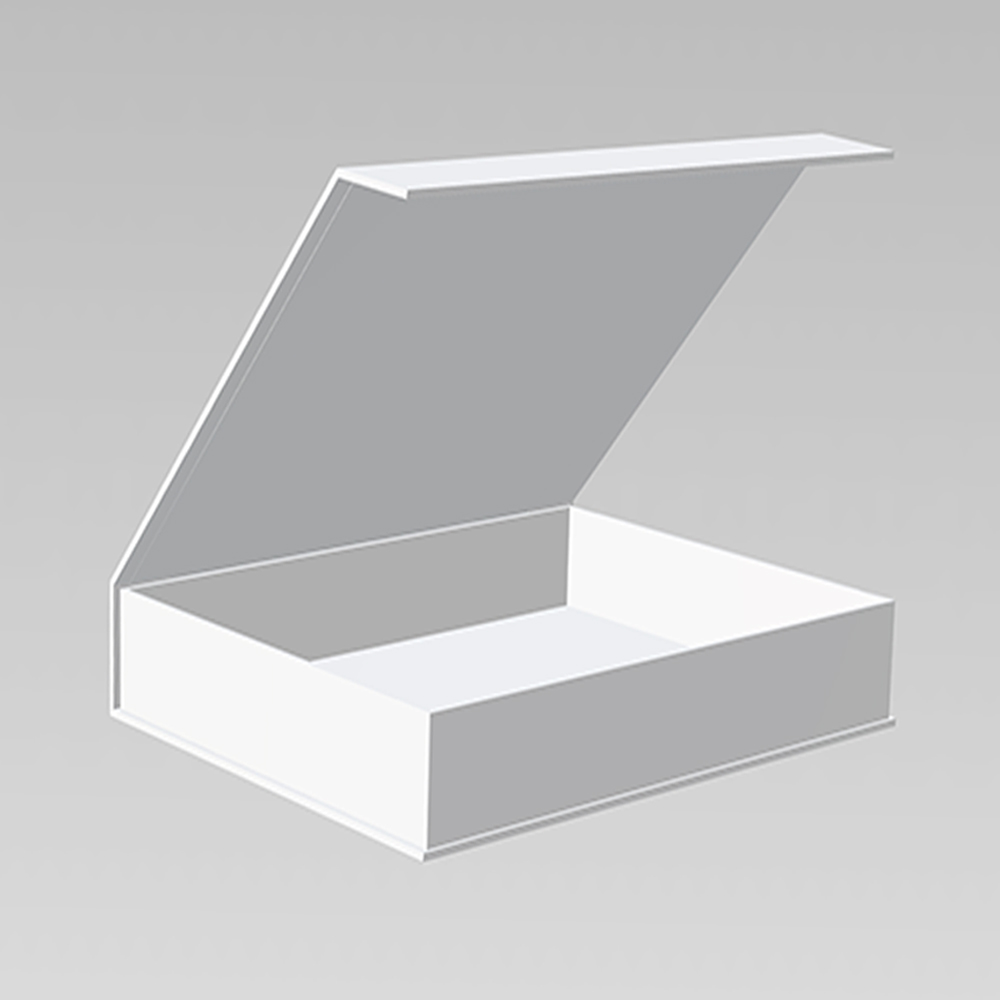 Book shape rigid box
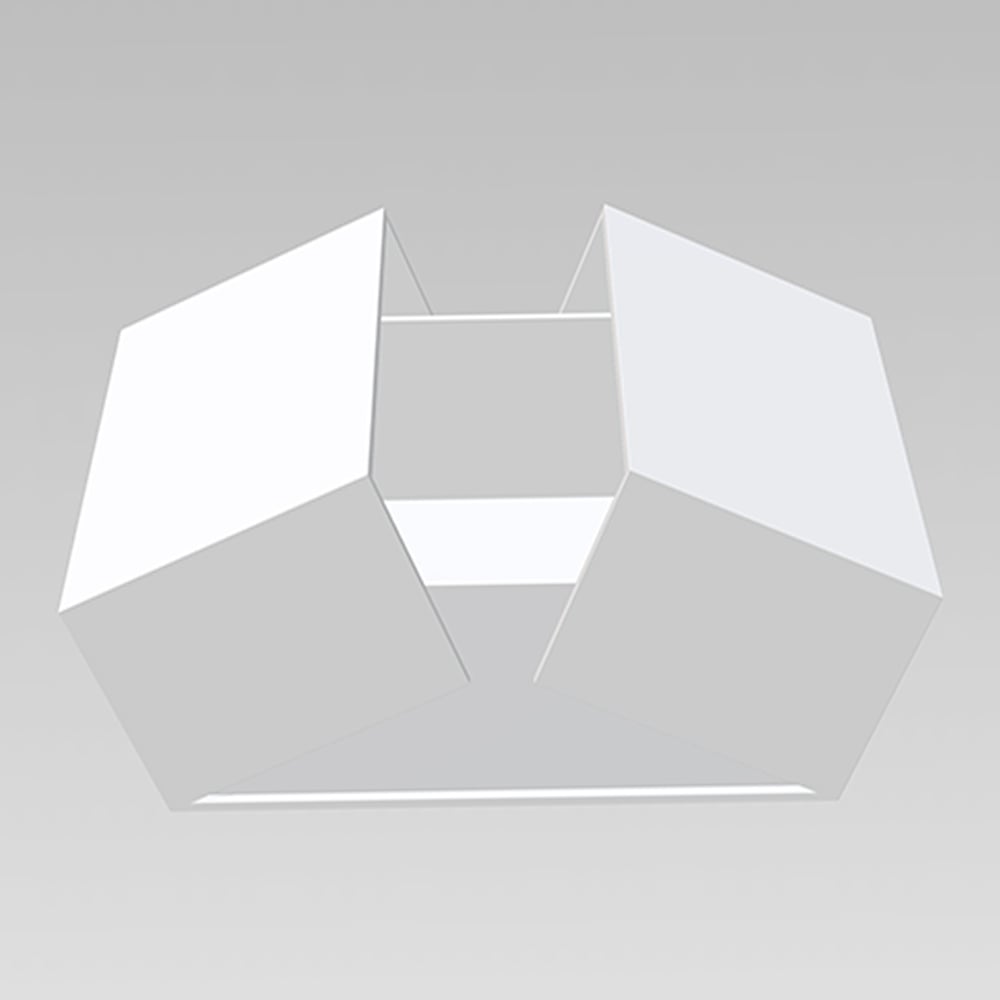 Double door open box
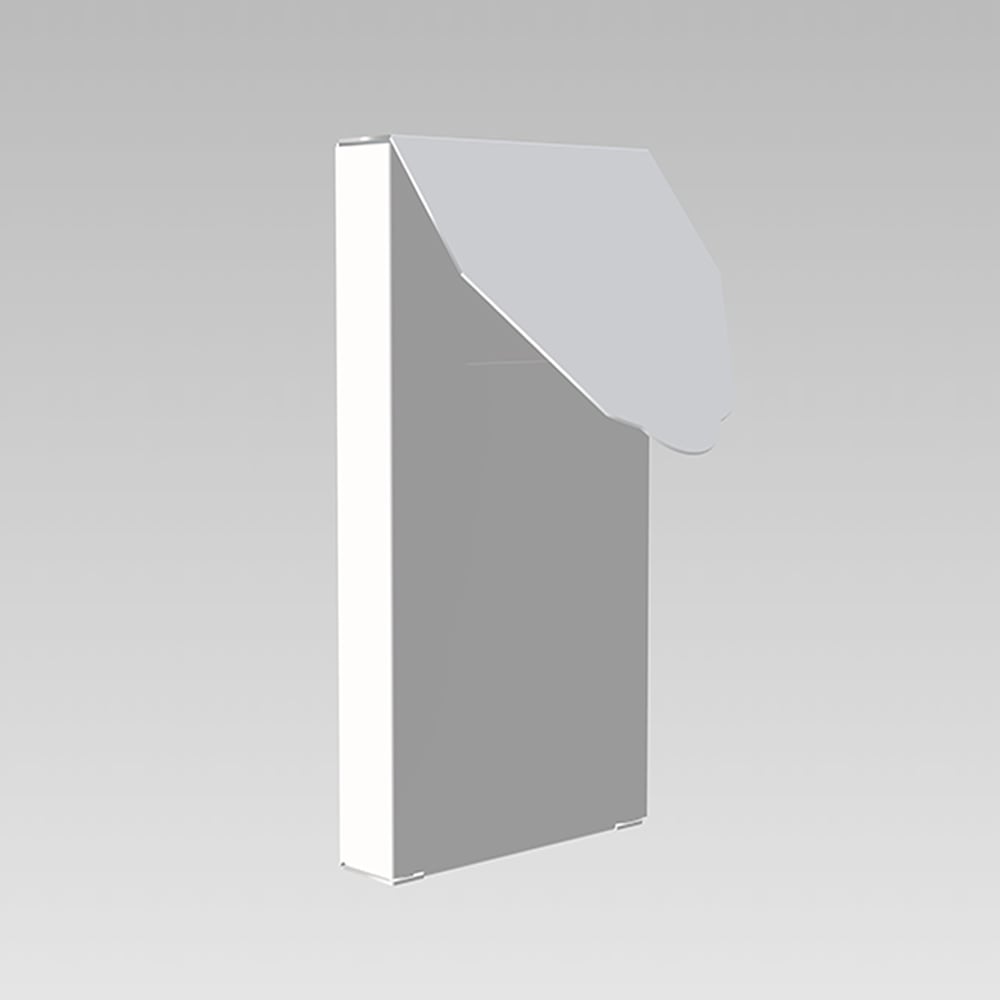 Card Boxes
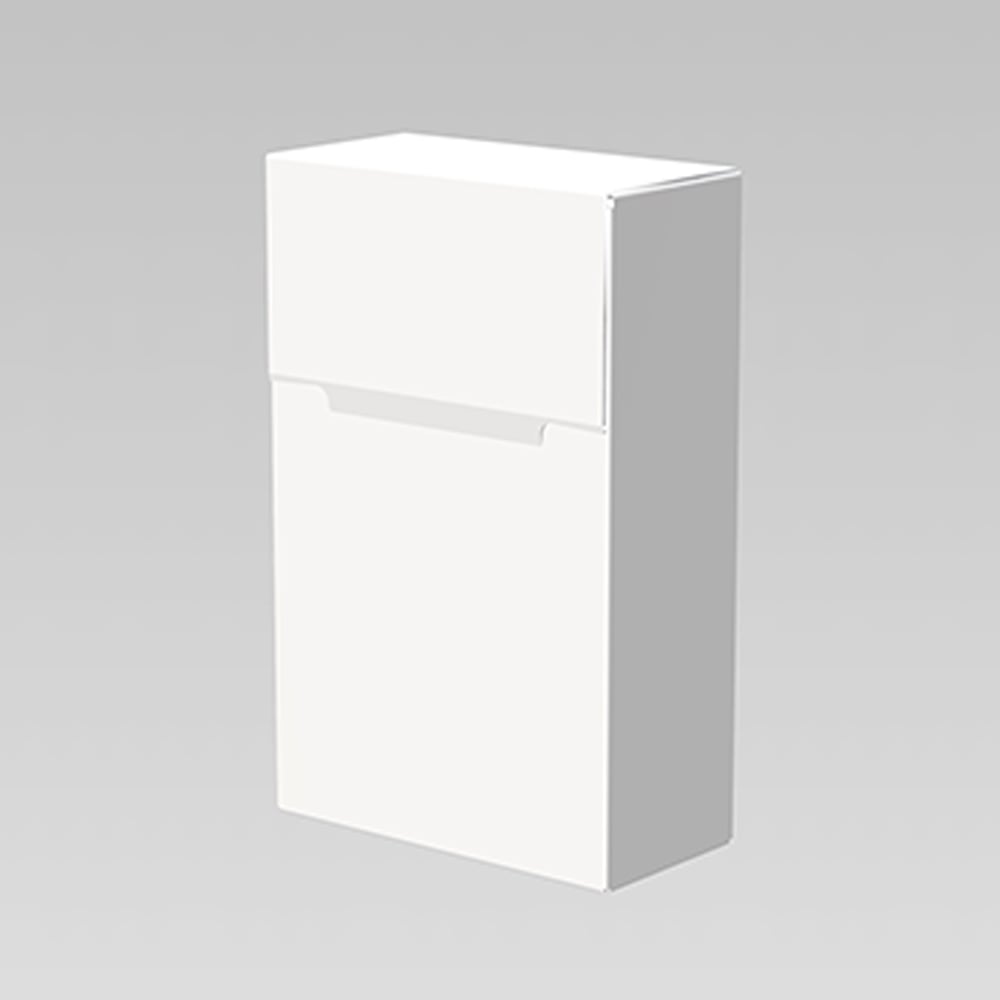 Game card box
 Business card box
 Folding carton
 Lid & Base box
 Shoulder & Neck box
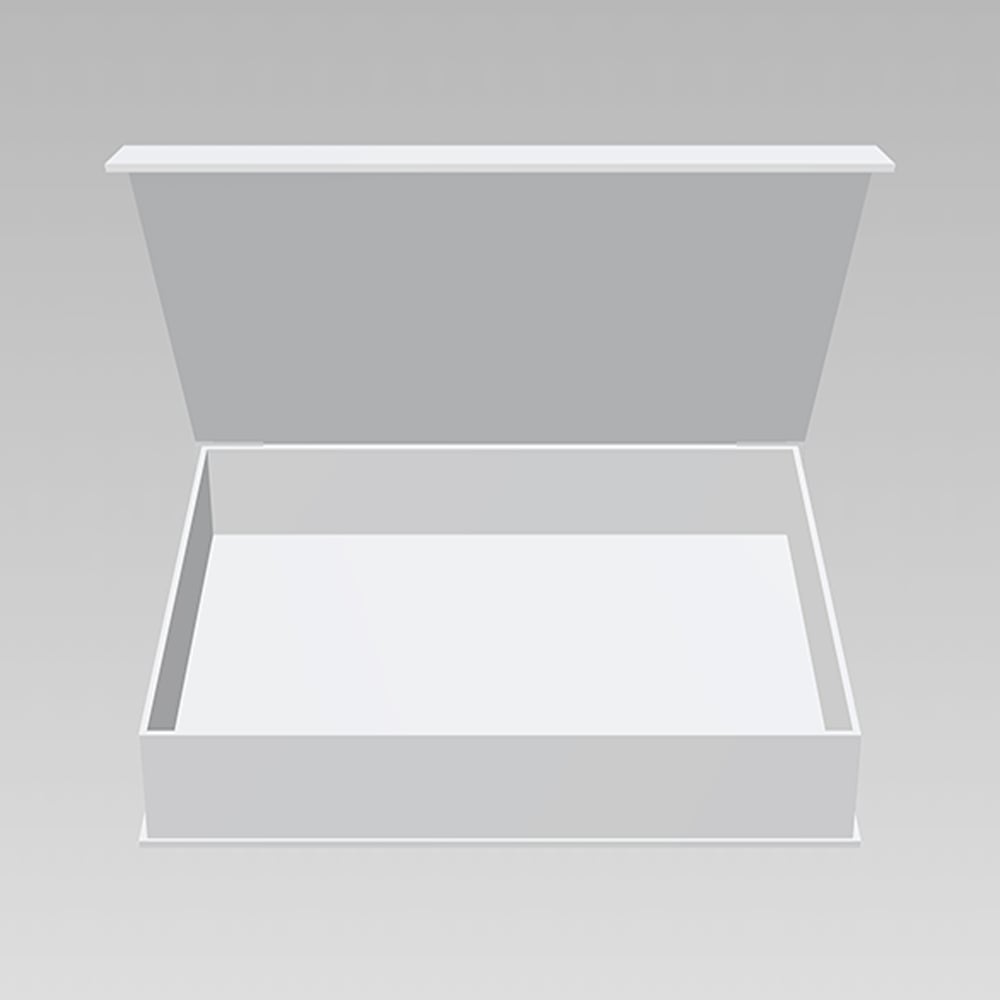 Hinged/flip Llid Box
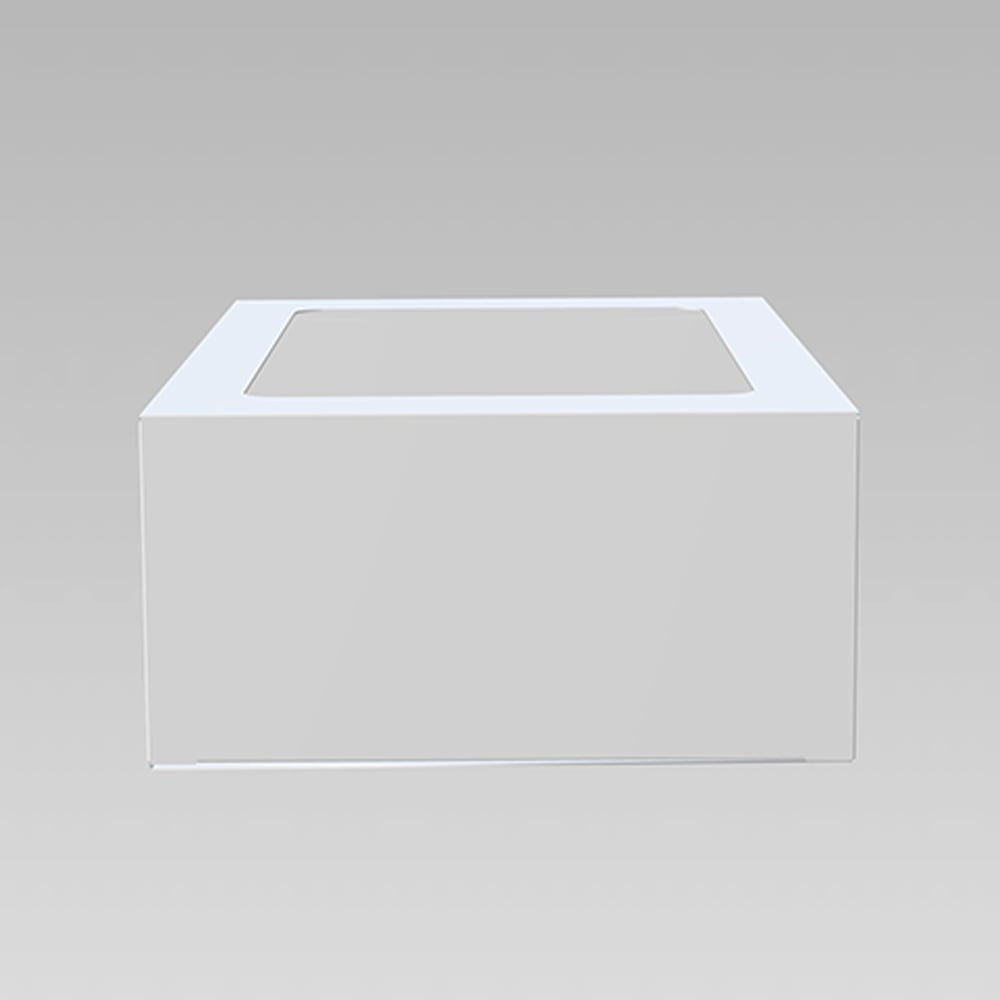 Lid with window
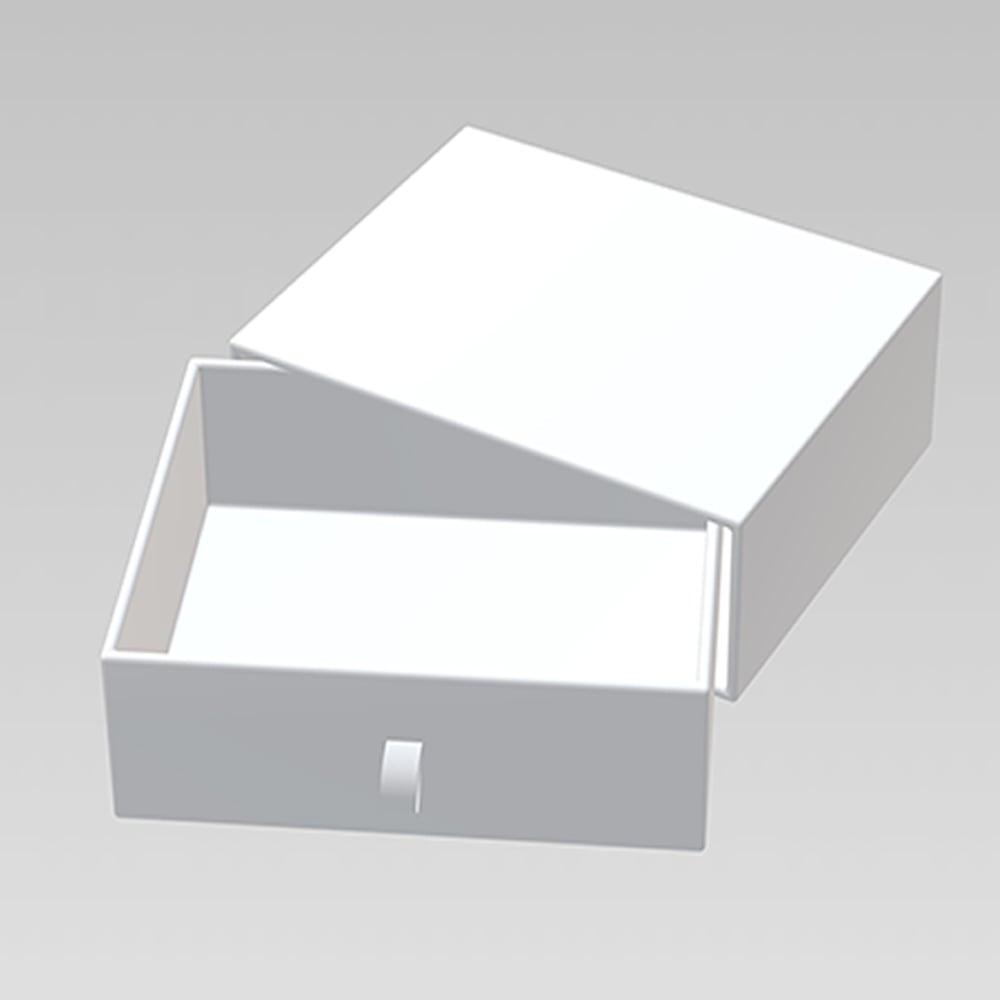 Sliding Drawers
 Corrugated Mailer
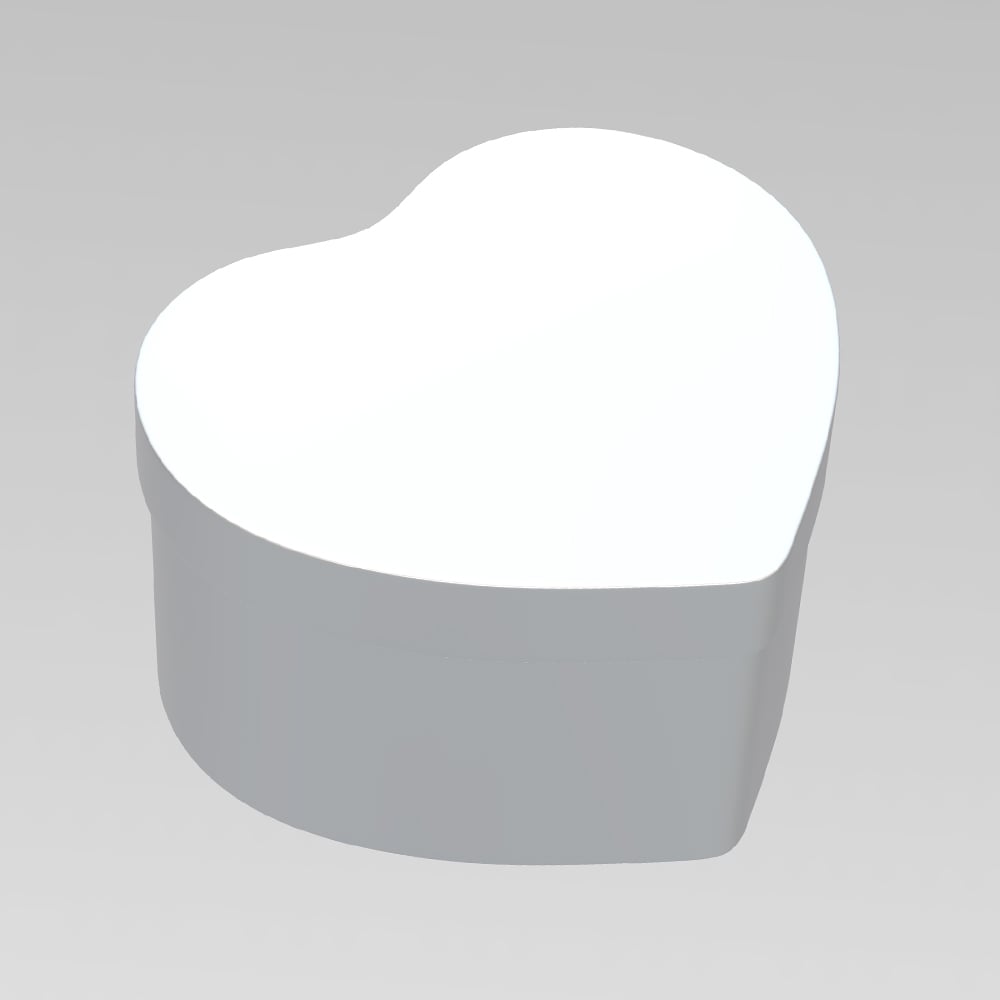 Special Shape Boxes
 Trading collector binder
 Tags
 Stickers & Labels
 Gift bags
 Round tube
 EN
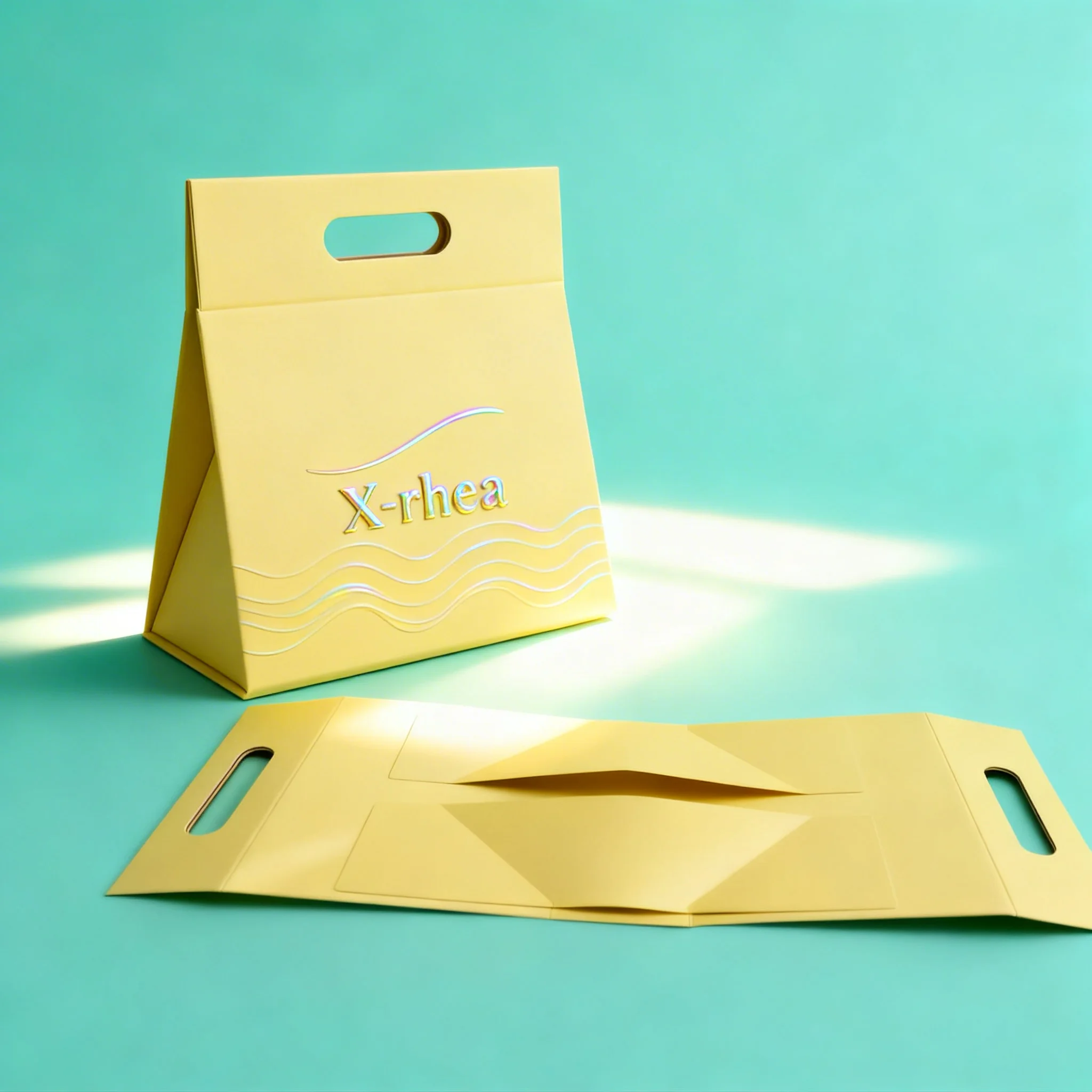
Aligning gift box design with your brand identity is essential for making a lasting impression on your customers. In the competitive landscape of B2B packaging solutions, understanding how to effectively communicate your brand through gift boxes can directly influence purchasing decisions. This article will guide you through the critical aspects of selecting gift box designs, key specifications to consider, the importance of material choices, and common design challenges. By the end, you'll be equipped with the knowledge to create customized X· RHEA magnetic rigid boxes that resonate with your brand identity.
How to Choose Gift Box Designs That Reflect Your Brand Identity?
Choosing the right gift box design starts with a clear understanding of your brand's values, target audience, and the message you wish to convey. Consider the following factors:
Brand Colors and Logo: Your gift box should prominently feature your brand colors and logo. This not only aids in brand recognition but also reinforces your identity each time a customer interacts with your packaging.
Target Audience: Think about who will be receiving the gift. The design should appeal to their preferences and expectations. For instance, a luxury gift box may require different aesthetics compared to a corporate gift aimed at professionals.
Purpose of the Gift: The occasion or purpose behind the gift can influence design choices. A seasonal gift box may incorporate thematic elements, while a corporate gift might lean towards a more classic and sophisticated design. By integrating these elements, you can create gift boxes that not only look appealing but also resonate with your brand’s ethos.
Key Specifications to Consider When Designing Customized Gift Boxes
When designing customized gift boxes, several specifications are crucial to ensure functionality and aesthetic appeal:
Dimensions: Accurate dimensions are critical. The box must fit the product snugly to prevent movement during transit while also ensuring ease of unpacking. Careful measurement will help avoid common issues like excess space that can lead to damage or a tight fit that makes opening difficult.
Material Thickness: The choice of material thickness affects both durability and appearance. For instance, a thicker board can provide better protection for fragile items, while a thinner material may be more suitable for lightweight products.
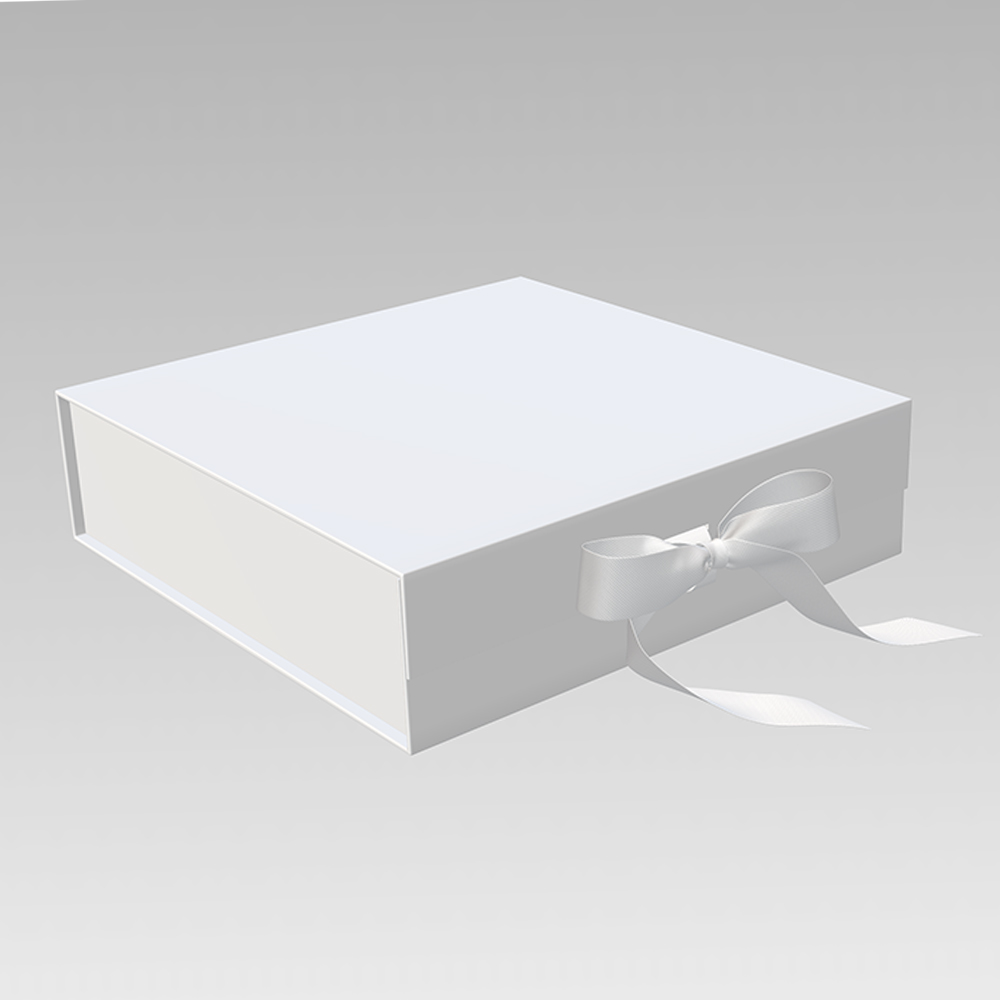
Closure Type: The mechanism used to close the box can also impact the user experience. Consider options such as magnetic closures or ribbon ties, which not only secure the contents but also enhance the unboxing experience.
Finishing Options: Surface treatments like matte or gloss finishes can dramatically alter the box's appearance and tactile feel, aligning with your brand image and target market.
By paying attention to these specifications, you can ensure that your gift boxes not only look great but also meet functional requirements.
What Makes a Gift Box Align with Your Brand?
A gift box aligns with your brand when it embodies your unique attributes and resonates with your audience. Here are key elements:
Consistent Messaging: The design should reflect your brand's voice and messaging. For example, if your brand promotes sustainability, using eco-friendly materials and designs that highlight this commitment can reinforce your brand’s values.
Quality Assurance: The quality of the gift box can directly impact customer perception. High-quality materials and craftsmanship signal to customers that you value their experience, which can enhance brand loyalty.
Cohesive Design Language: Your X· RHEA gift packaging box should be part of a cohesive design language that extends to your other branding elements such as your website, marketing materials, and product packaging. This consistency helps establish a strong, recognizable brand presence. Integrating these aspects will create gift boxes that effectively align with your brand identity and enhance customer engagement.
How Material Choices Affect Your Gift Box Design and Brand Image?
The materials selected for gift box production play a vital role in both design and brand perception:
Sustainable Materials: Using materials like FSC-certified paper and soy ink can enhance your brand image, especially if your customers value environmental responsibility. This choice signals that your brand is committed to sustainability, which is increasingly important to many consumers.
Luxury vs. Economy: The choice between luxury materials, such as leather or high-quality paperboard, and more economical options will affect how customers perceive your brand. Luxury materials convey a sense of quality and exclusivity, while more economical options can portray practicality and value.
Print Quality: The printing technology used, such as Heidelberg printing machines employed by Shanghai Xianrong Packaging, can significantly impact the final look of your gift boxes. High-resolution printing ensures that colors are vibrant and designs are sharp, which can enhance the overall presentation of your product. Selecting the right materials not only impacts the visual appeal of your gift boxes but also communicates your brand’s values and quality standards.
Common Problems in Gift Box Design and Effective Solutions to Consider
While designing gift boxes, several common issues can arise. Here are some potential problems and solutions:
Inadequate Protection: A common problem is insufficient protection for the items inside the box. To prevent damage, ensure that the box is designed with the right material thickness and structural integrity to withstand handling and transport.
Misalignment with Brand Identity: Another issue is the design not resonating with your brand. To mitigate this, involve key stakeholders in the design process to ensure that all aspects of the box reflect your brand’s values and message.
Poor Customization Options: Sometimes, buyers may find it challenging to achieve the desired level of customization. Working with a manufacturer that offers a wide range of X· RHEA gift packing box customization options, like Shanghai Xianrong Packaging, can alleviate this issue. A thorough discussion about your needs and expectations will lead to a more tailored solution.
By anticipating these problems and implementing effective strategies, you can enhance the design process and ensure that the final product aligns with your brand identity and customer expectations.
In summary, aligning gift box design with your brand identity requires careful consideration of various factors, from design choices to material specifications. By focusing on these elements, you can create packaging that not only protects your products but also communicates your brand effectively.
Table of Contents
- How to Choose Gift Box Designs That Reflect Your Brand Identity?
- Key Specifications to Consider When Designing Customized Gift Boxes
- What Makes a Gift Box Align with Your Brand?
- How Material Choices Affect Your Gift Box Design and Brand Image?
- Common Problems in Gift Box Design and Effective Solutions to Consider