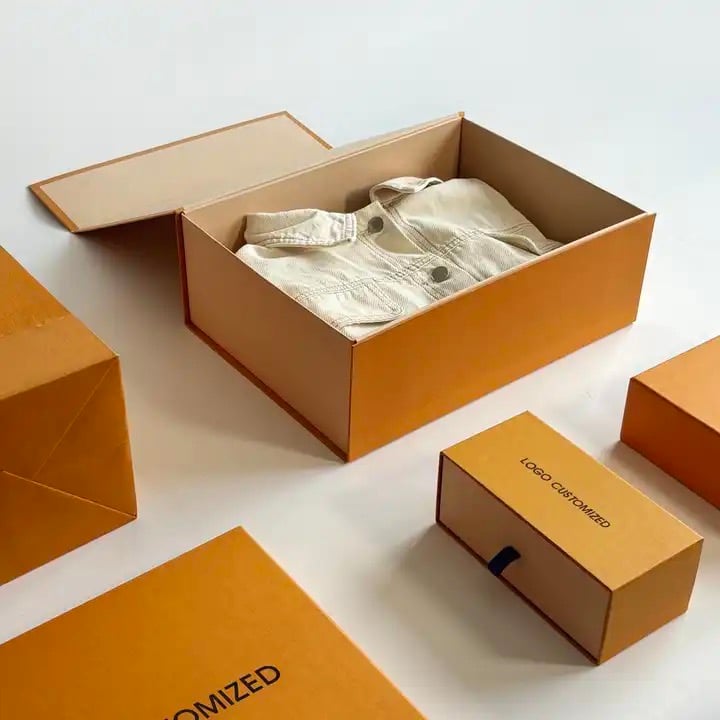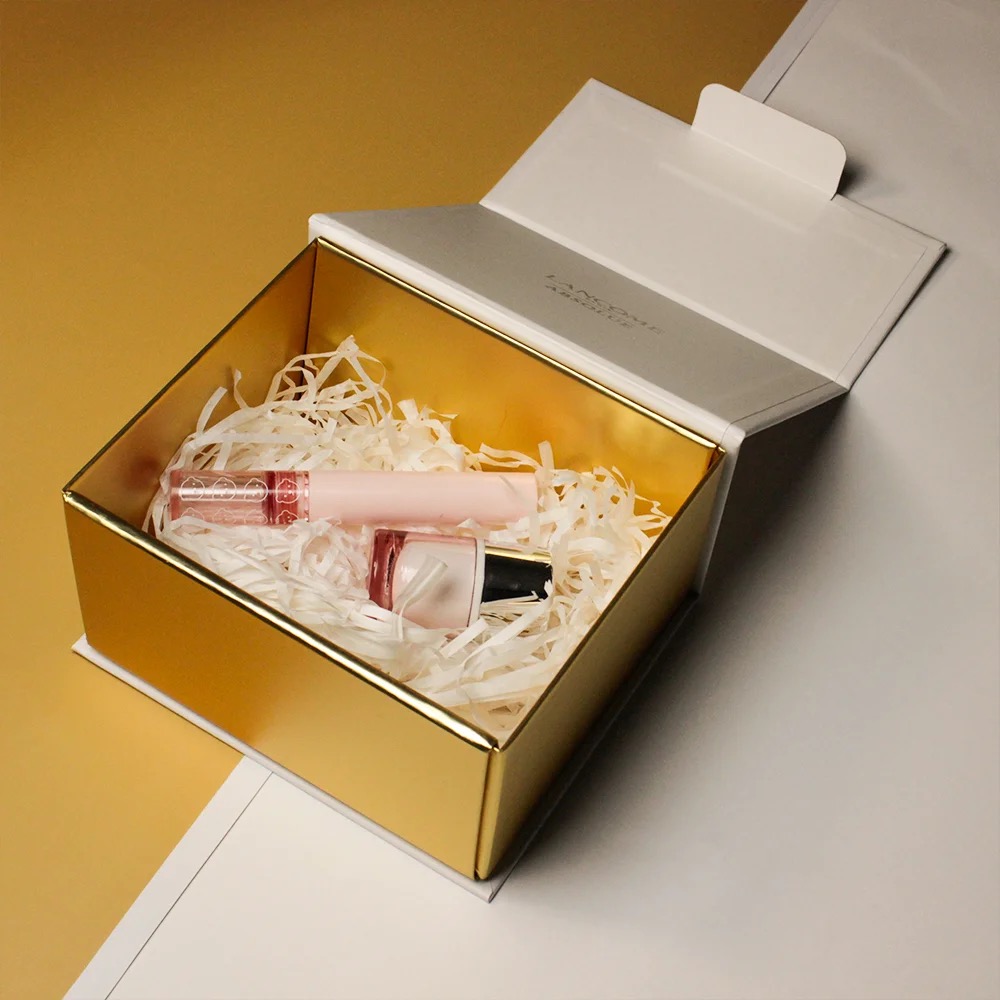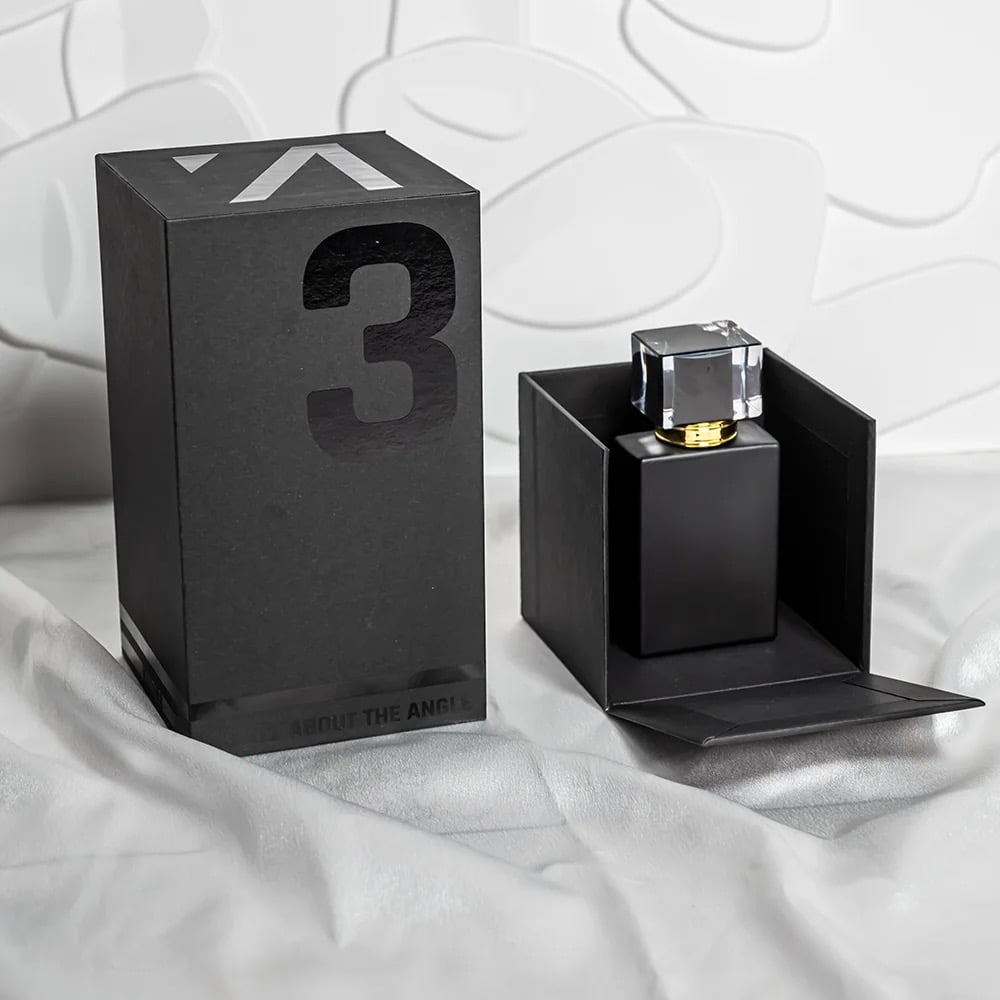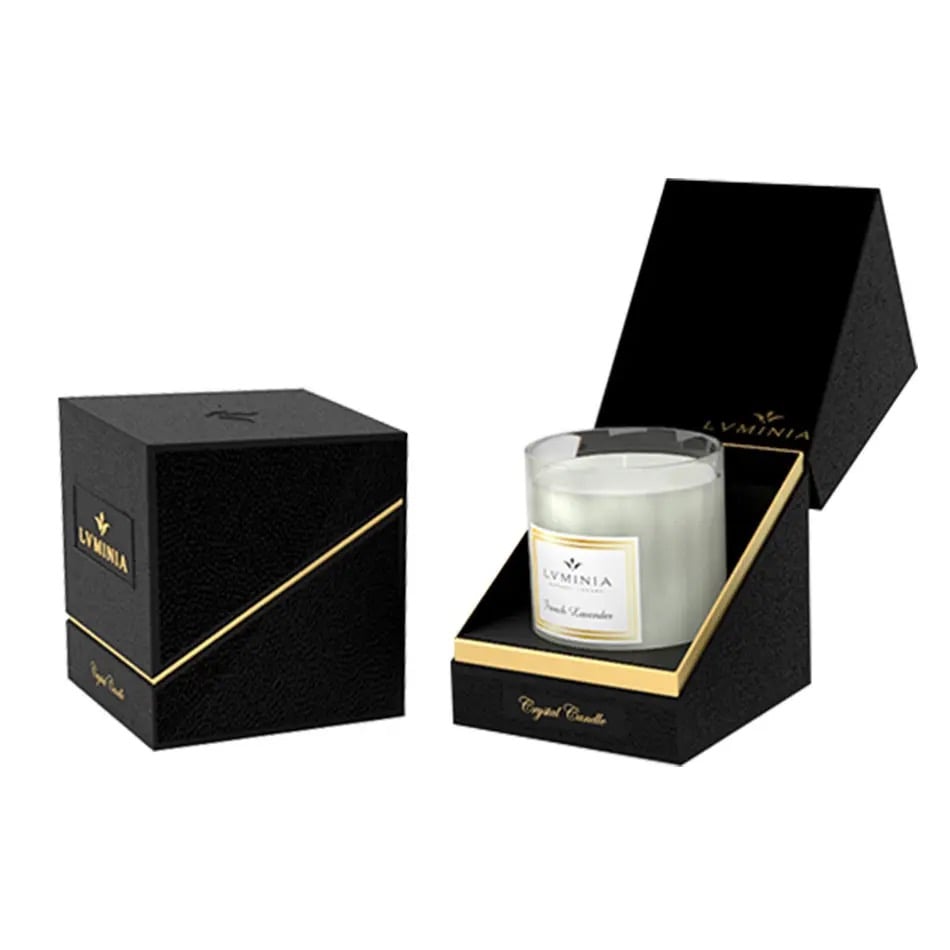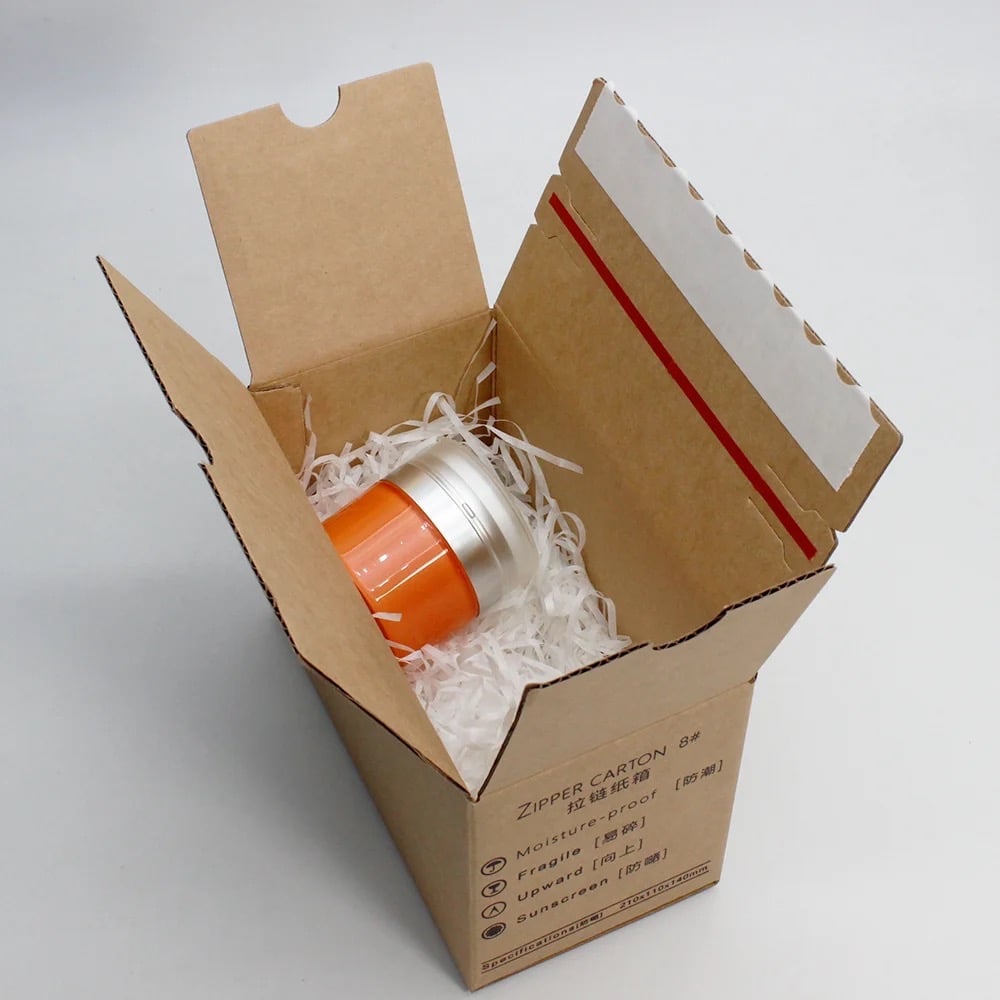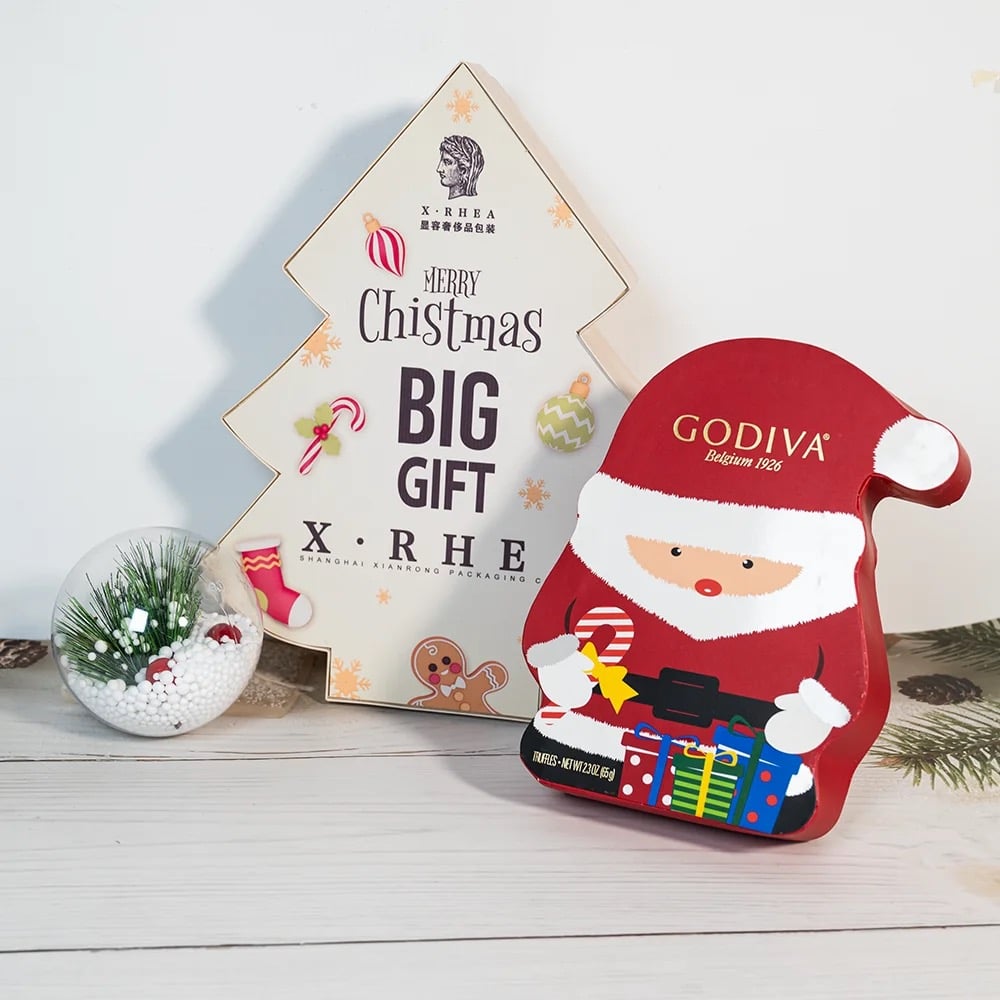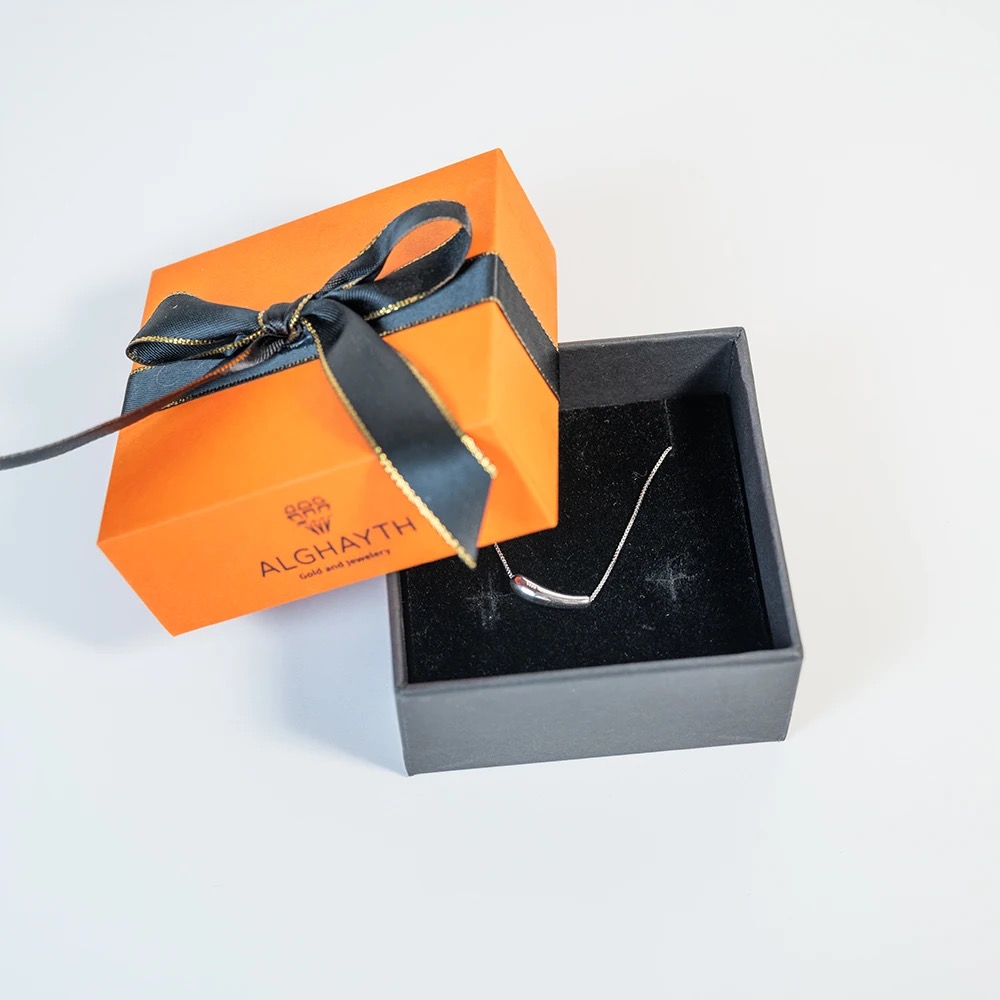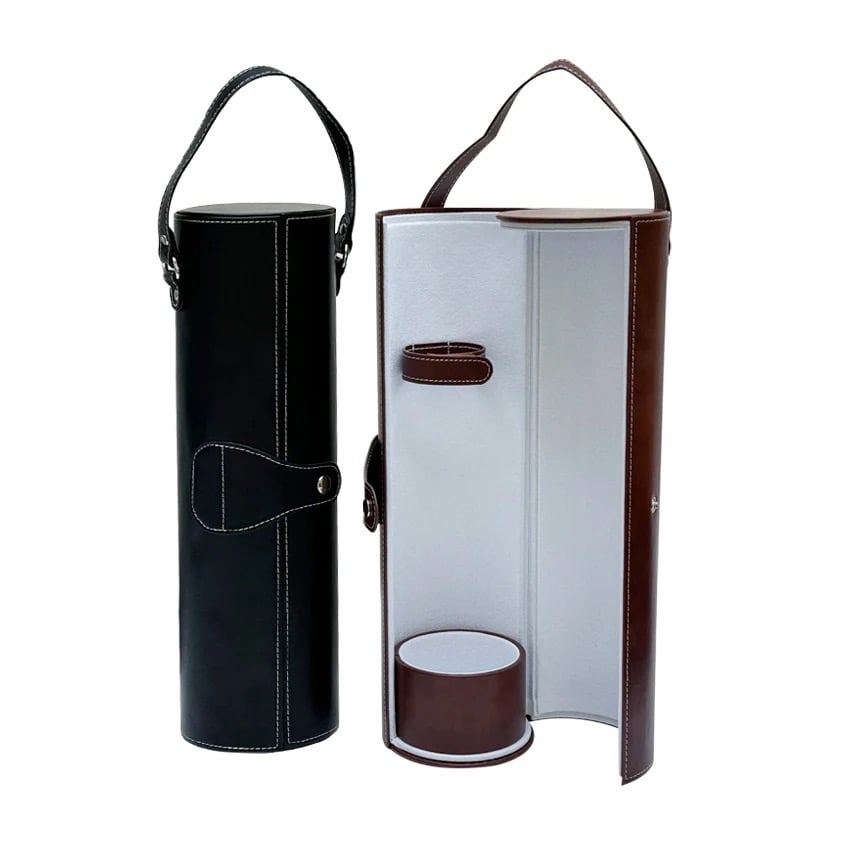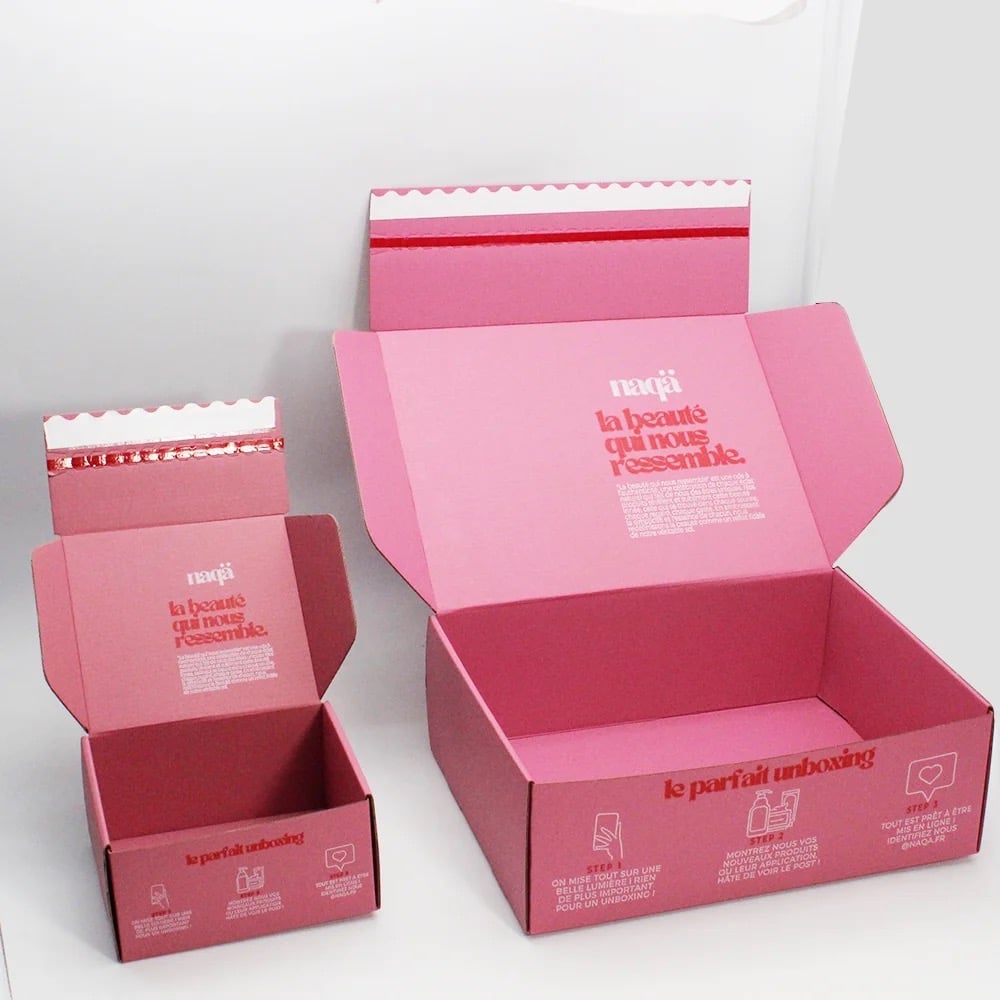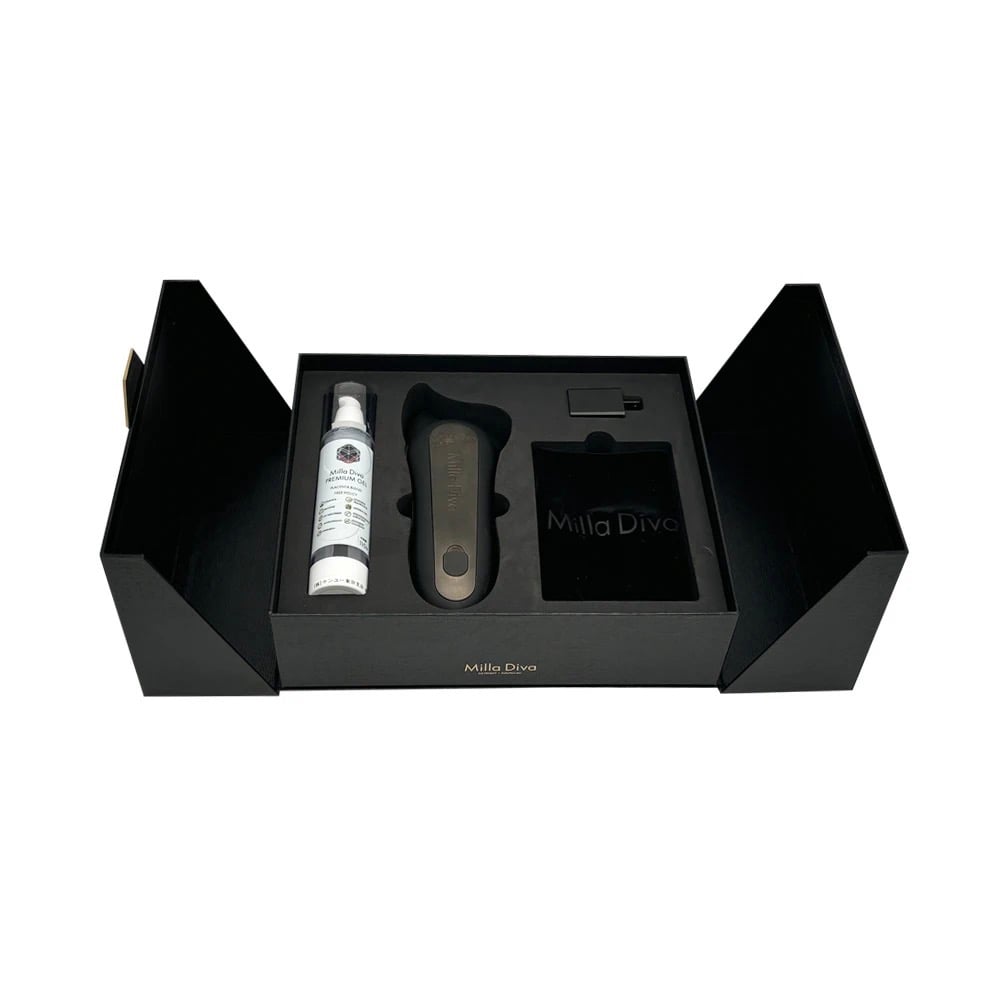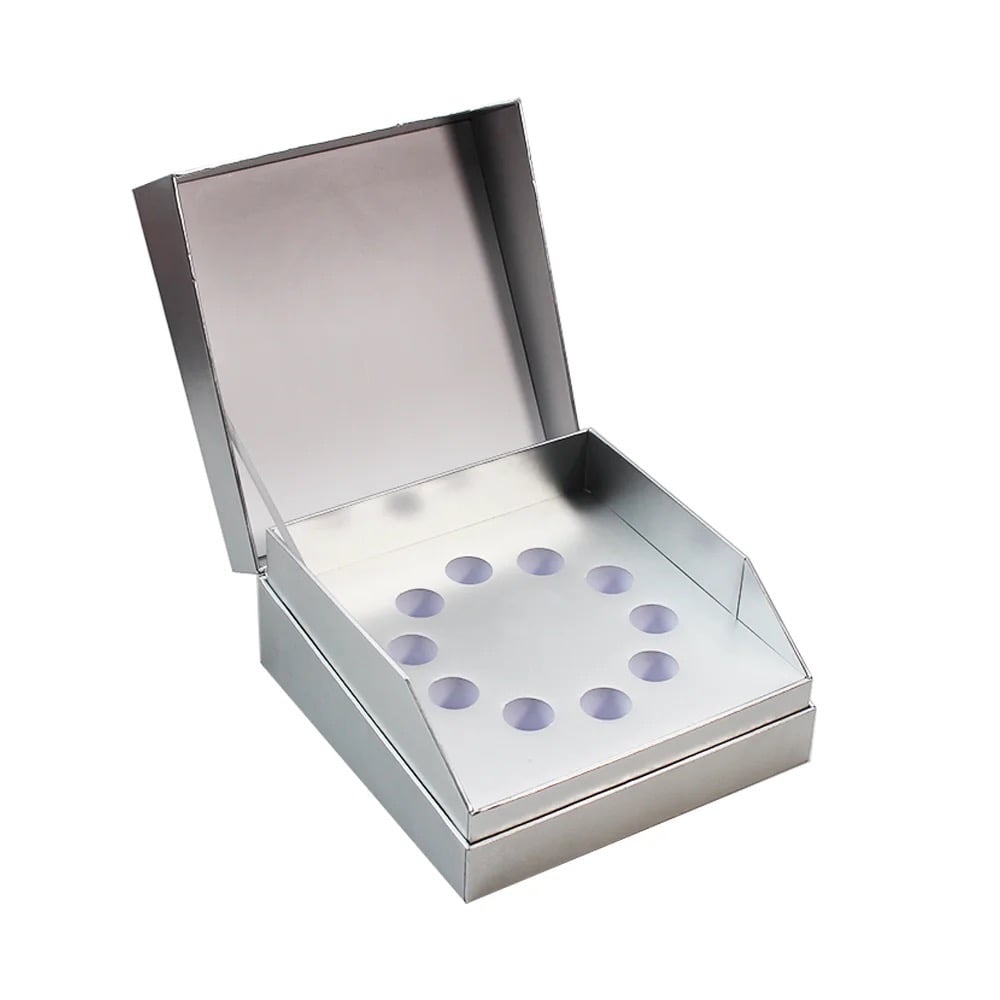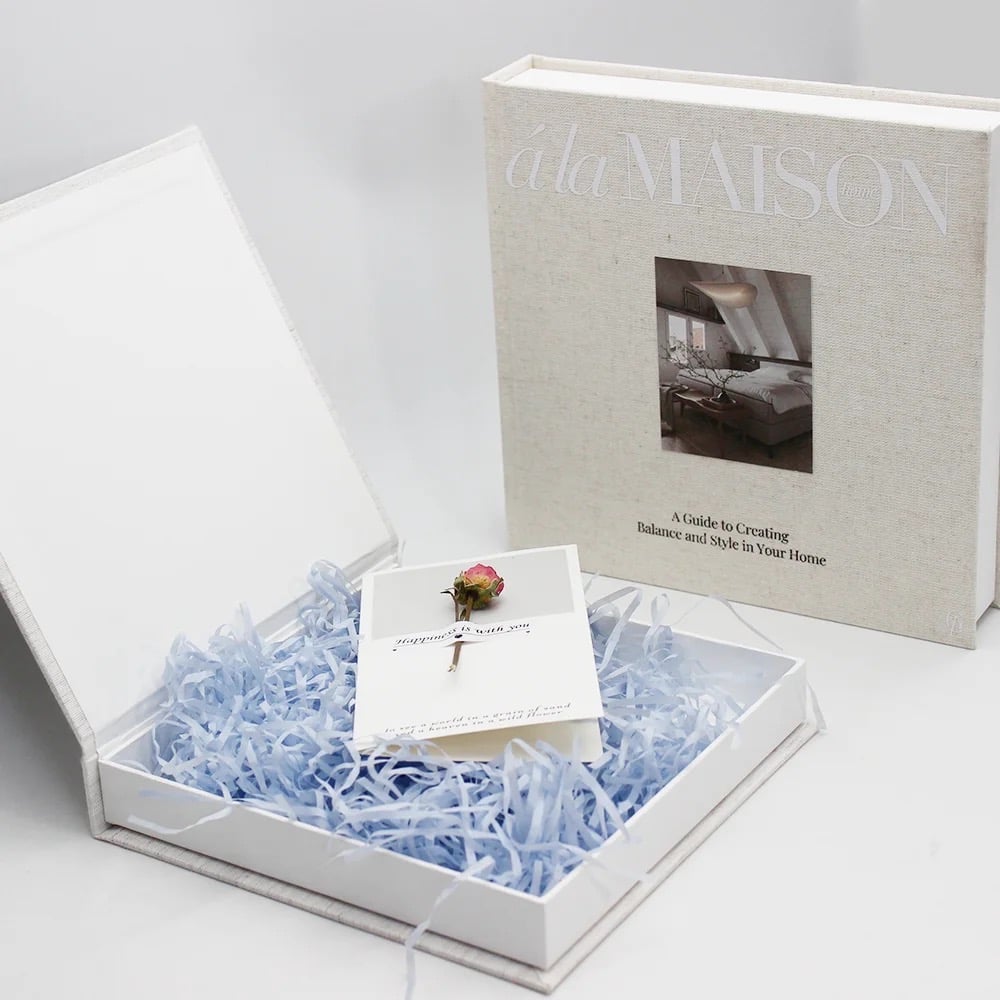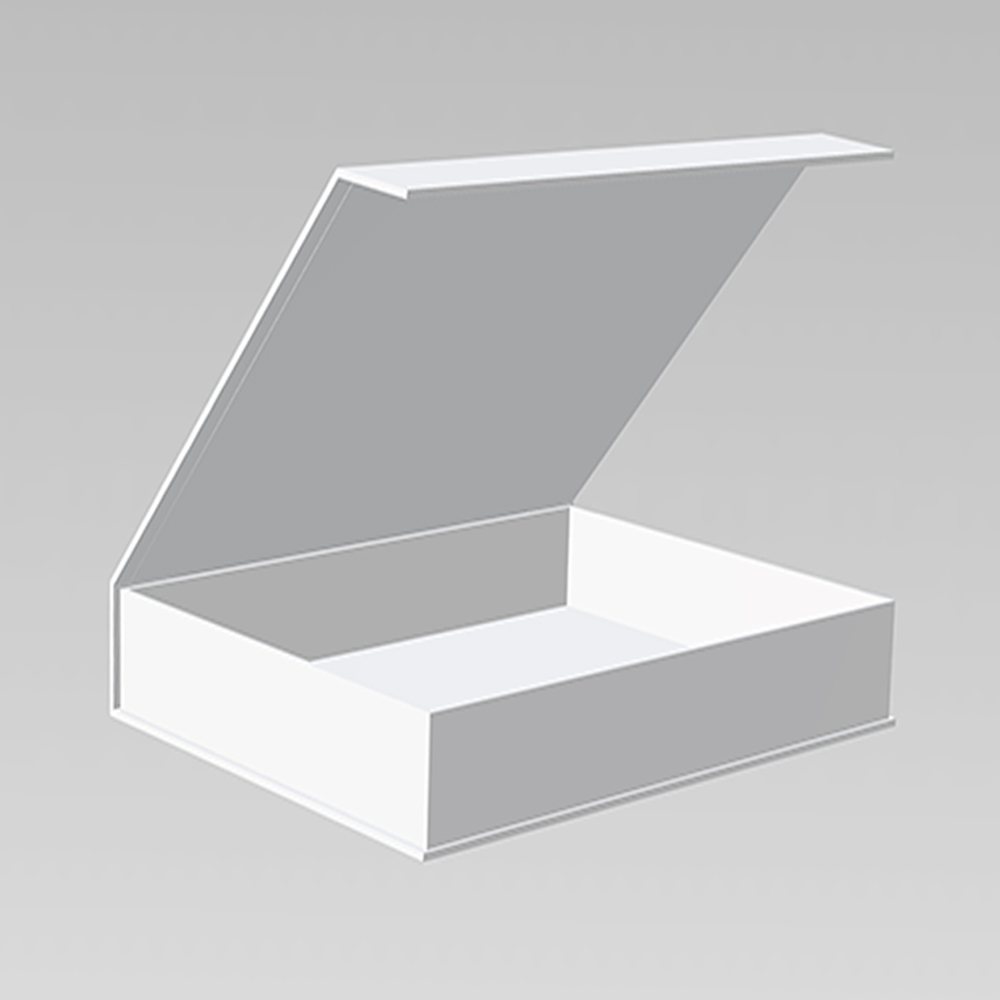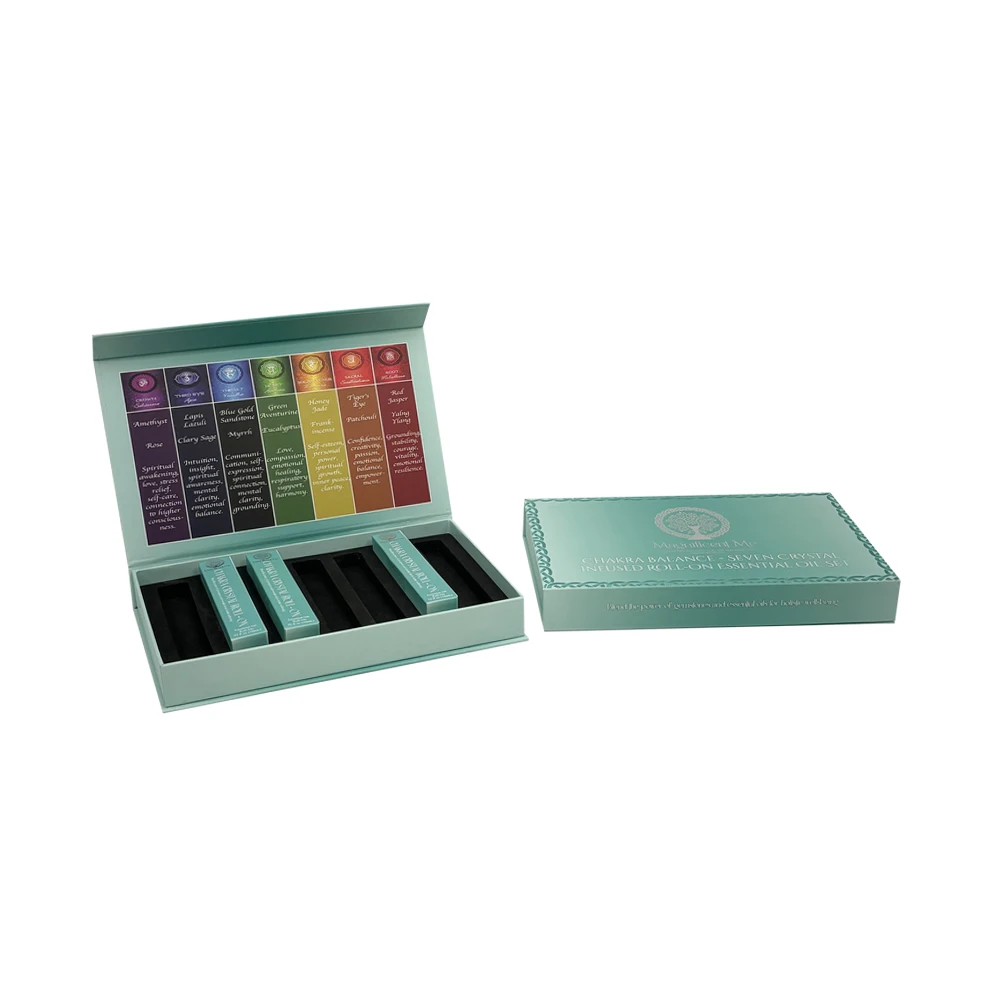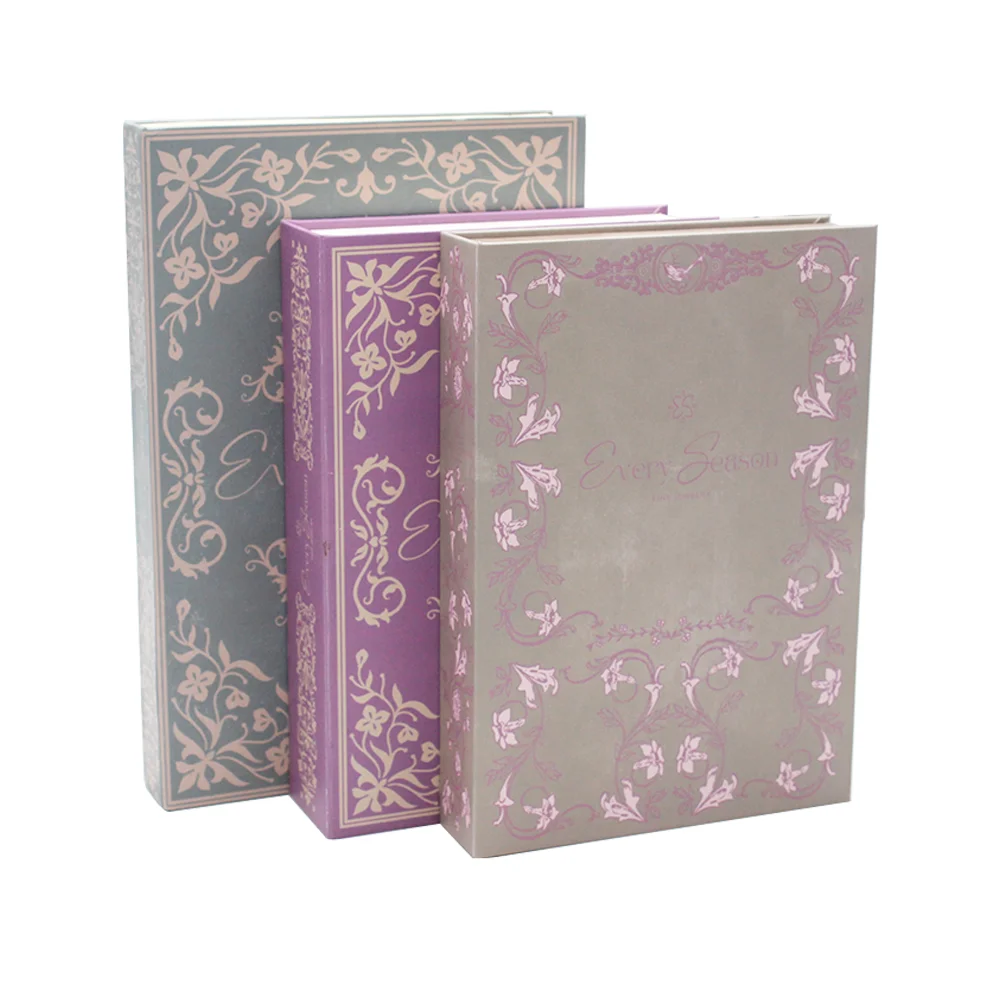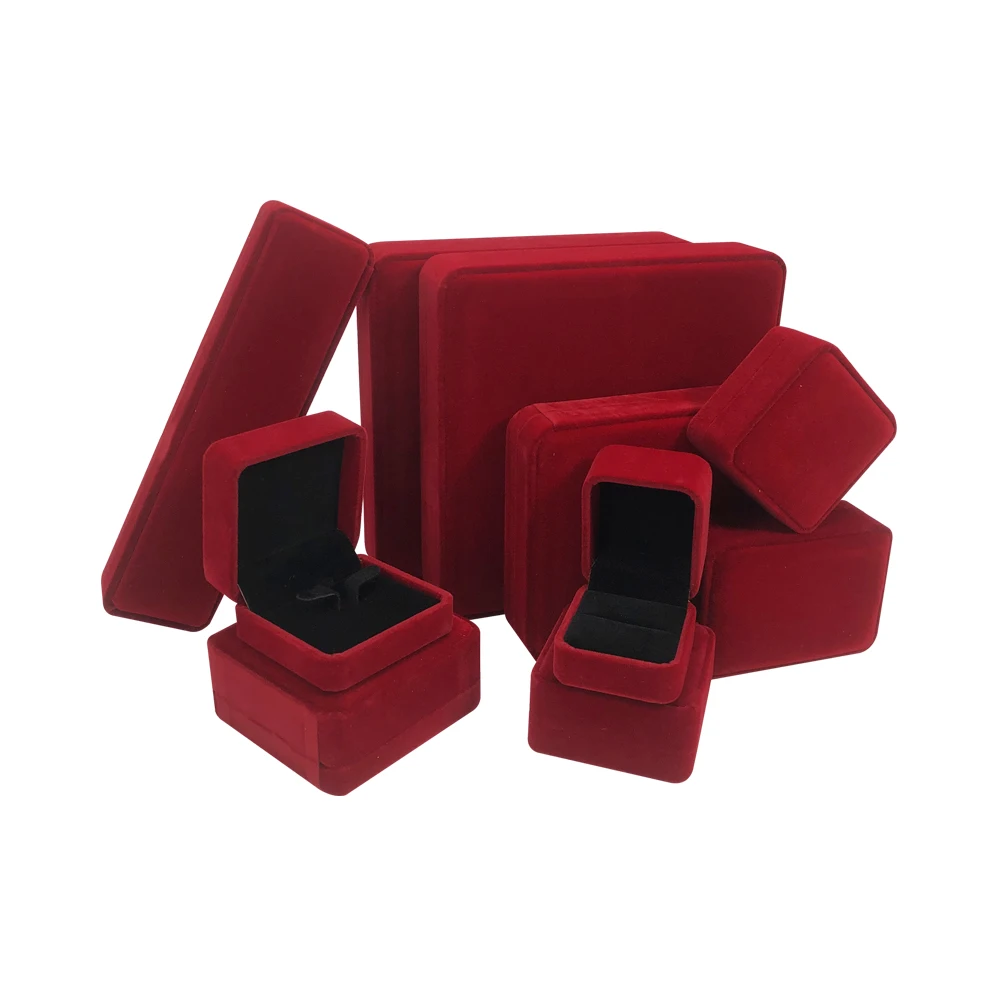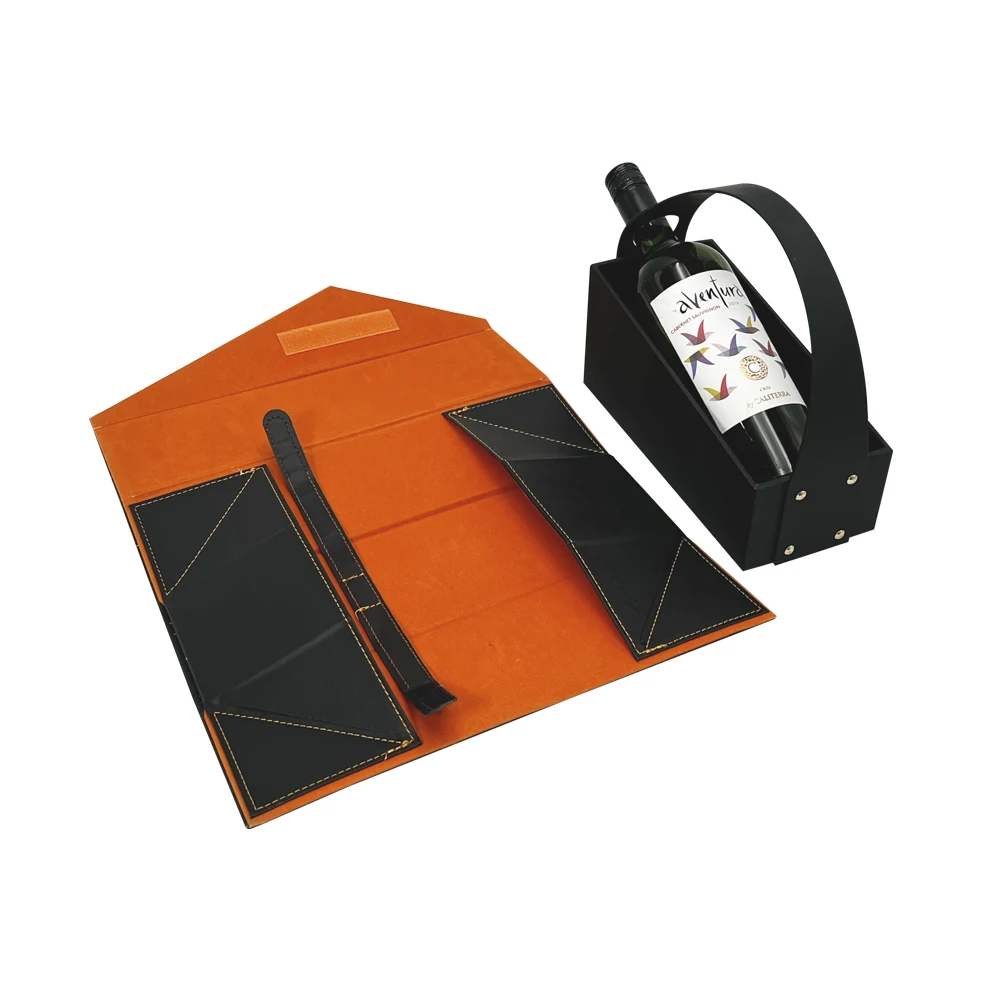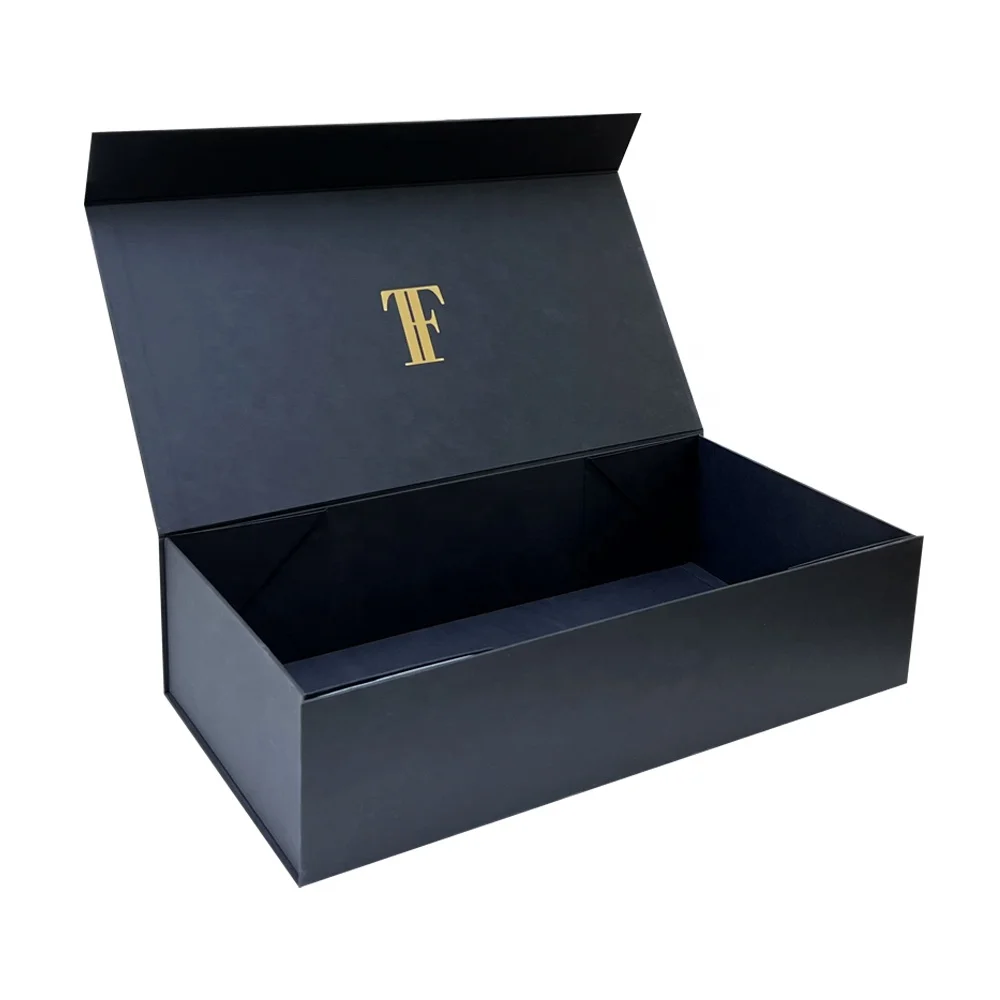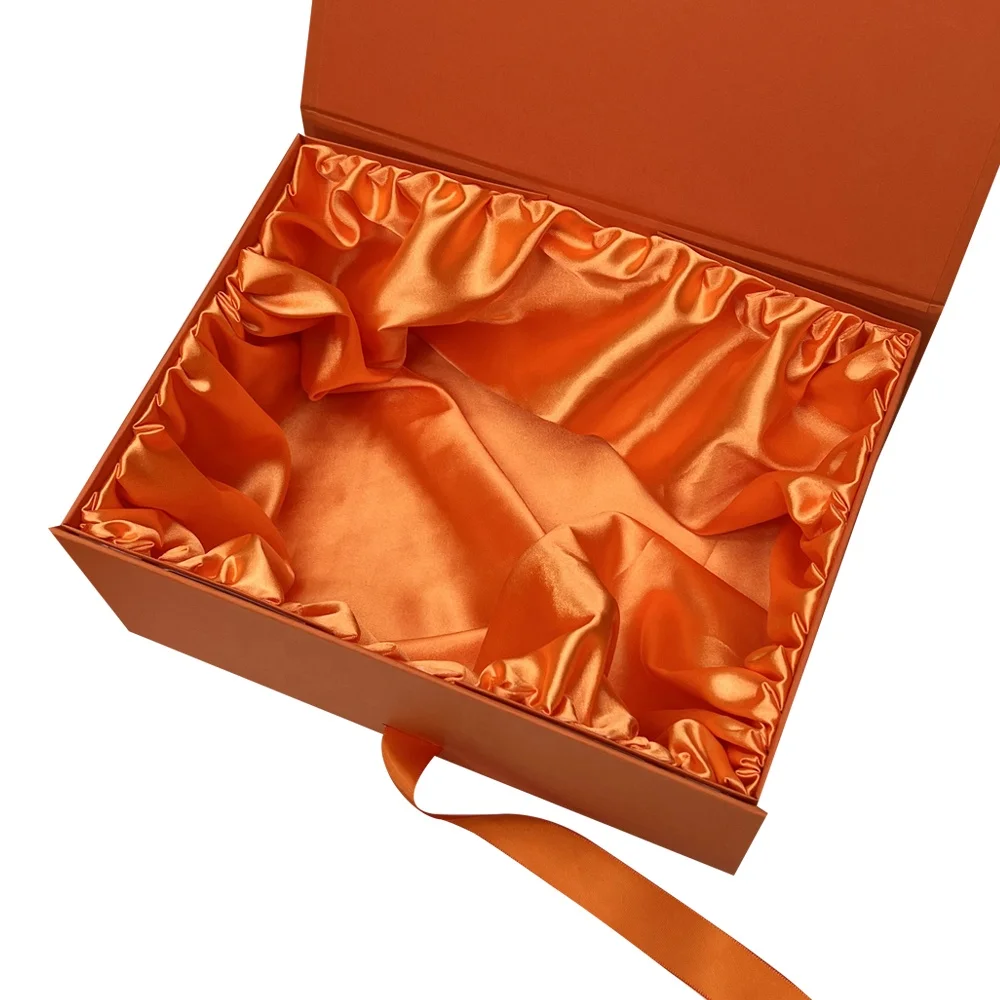
But have you ever thought about what happens to all of the packaging when you take your new clothes home? Packaging — not the sexiest of topics, but important to remember! Most clothing companies use plastic and styrofoam packaging, which are not sustainable. These materials are harmful to earth and require large-scale time for degeneration. This is where sustainable packaging comes in. TitanStraps are made from sustainable packaging, material that won't hurt the landfills (also reusable/recyclable). This seems to suggest that once your packaging has fulfilled its duty, it will not only get buried in a landfill somewhere.
Opting for clothes that are packed in eco-friendly packaging is one step closer to going green and maintaining the cleanliness of our Earth too. How Patagonia And Adidas Use Clever Innovation To Wrap Their Clothes In Nature-Friendly Packaging. They pack their products with recycled paper and special plastics that degrade in nature. This makes it clear that when you purchase from these brands, what your buying helps to give back to the planet in a positive way.
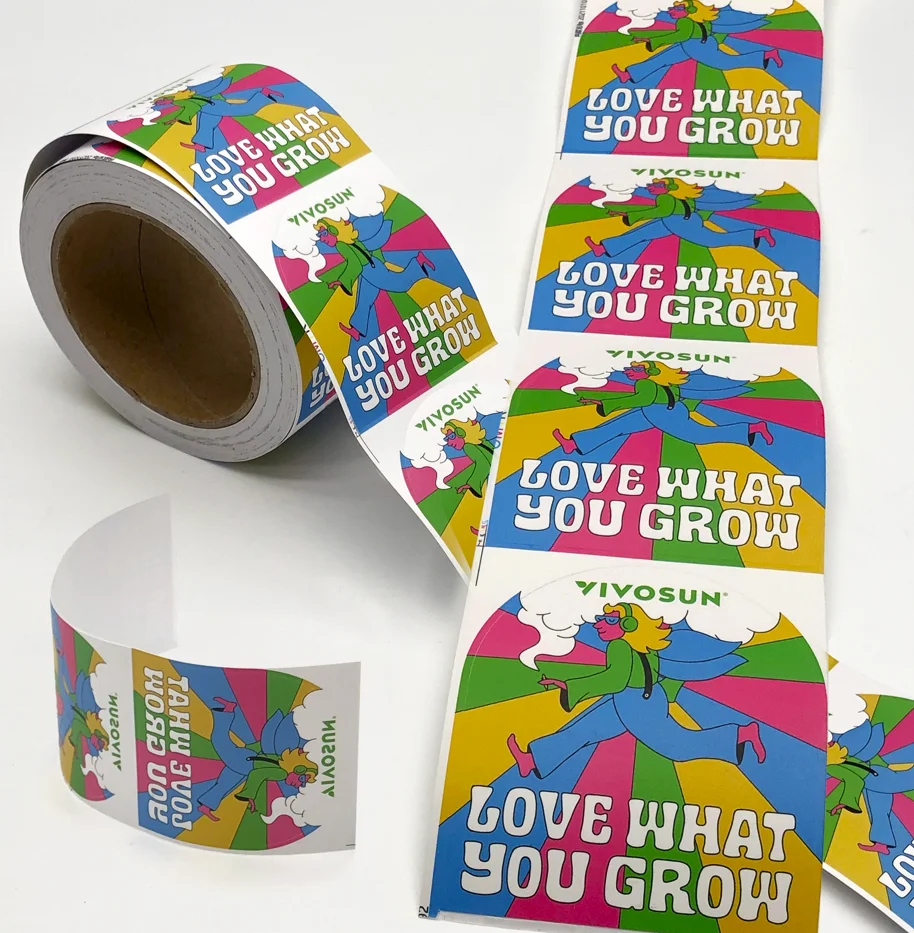
With sustainable packaging, not only will it save the planet but you can even get creative and have some extra fun! There are also companies that have designed their sustainable packaging with cool and colorful designs, to make it fun for customers when they get a new piece of clothes. It makes the shopping experience even more fun!
The basic advantage of using sustainable packaging in waste reduction. Use packing that can be recycled or reused as much as you possibly can : we create less trash in this way, and it very important to keeping our environment clean. When we have less trash, it means that our new packaging takes up far less energy to manufacture. Thus, environmentally friendly packaging is not only beneficial for the world but also has a methodical advantage in terms of budget and energy. It’s a win-win situation!

Others are selling their clothes in totally re-designed packaging. The difference is that they do not put each item in a plastic bag but use reusable cloth bags which the customer can take with them to their home and come back many times so it will be used multiple times. Not only this a manner of being environment-friendly but also results in waste single-use plastic that we send off to our landfills and oceans.

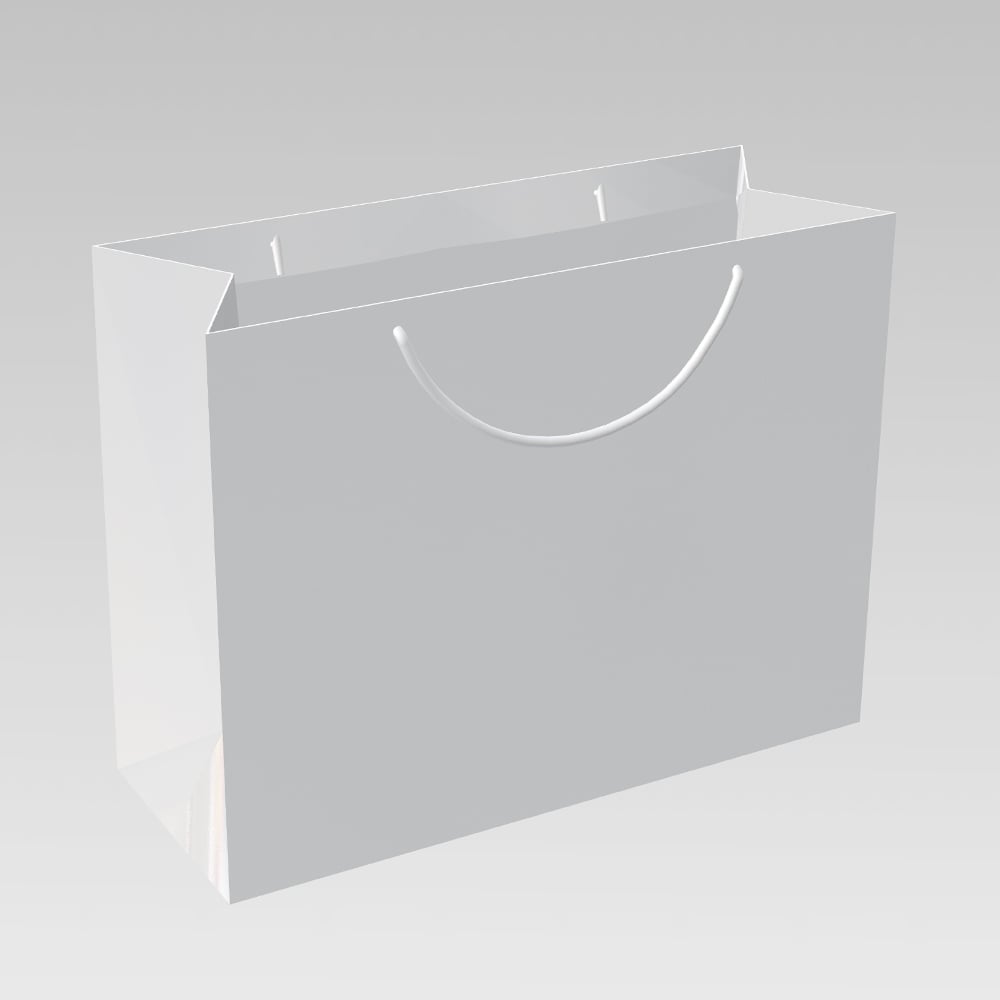
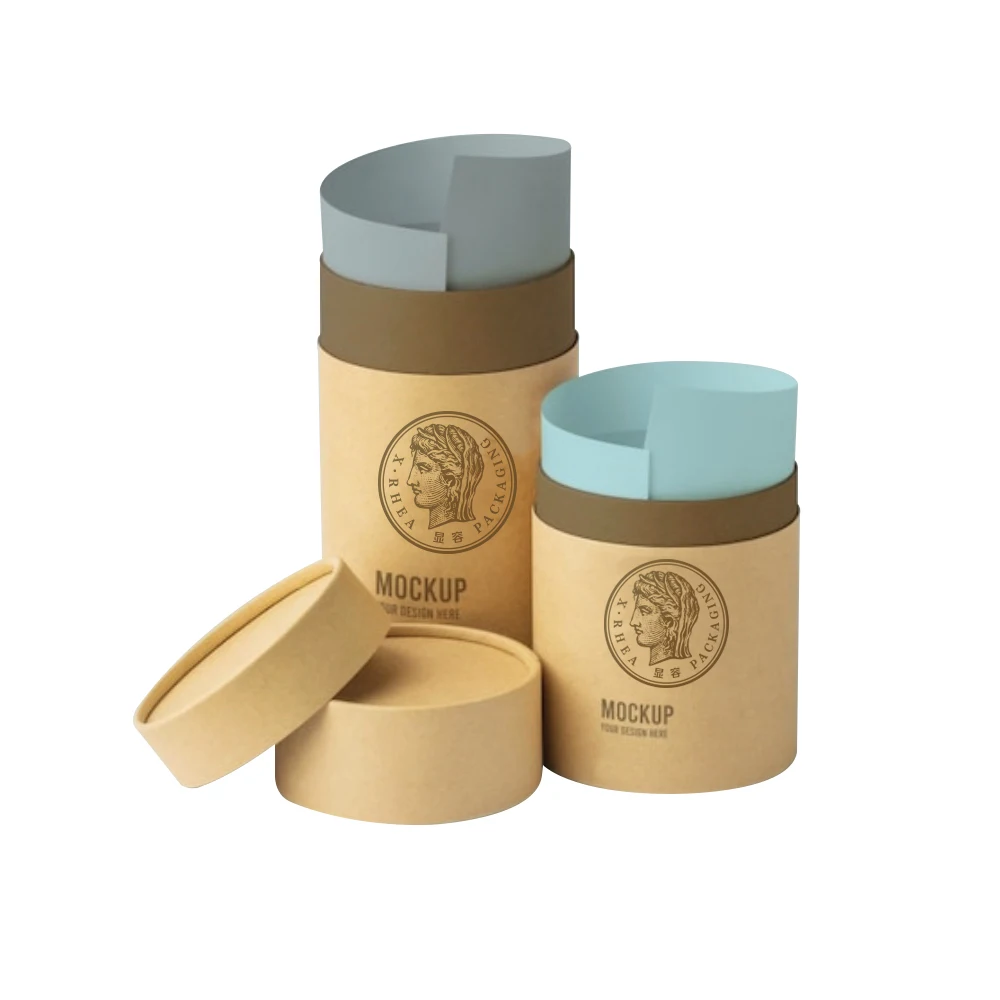
Below, I will share with you some fun and creative ways to make use of sustainable packaging for clothes. Certain firms are creating packaging that could be used in various other ways, for example a shopping bag or flower pot! In other words, you can use the packaging for something new after unpacking your clothes without having to throw it in bins.

The fashion industry will continue to contribute in innovative ways, as the significance of sustainable packaging becomes more and more widespread. And, a few companies are even experimenting with less waste delivery methods like drones or electric cars. Ooh, this is a nice move towards sustainability in fashion!
Our long-standing sustainable packaging for clothing with Fortune 500 enterprises attest to our trustworthiness and reliability provide These clients are privileged to receive an extensive range of services including RD and design manufacturing and logistics customized to their high-end packaging needs
We are certified by sustainable packaging for clothing and FAC. We also have ISO, BSCI ROHS, FAMA, and ISO. Our sustainable practices are evident by the use of FSC-certified papers, recycled materials, soy-based inks and other green components. This ensures that our products have minimal environmental impact.
sustainable packaging for clothing service 2 hours revisions regional samples ensures project progresses efficiently without hitch you count our time-bound stable timelines range 4 to 25 days agile supply company's philosophy service based timely delivery strict logistics chain supervision ensures order delivered time
We conduct sustainable packaging for clothing quality checks on all material that comes in. We guarantee the product's quality through the entire production process, starting with stamping and ending with printing. Once we've finished the goods, a comprehensive examination follows, culminating in a functional test that is tailored to the specifications of our customers. A product is only delivered after passing these tests.