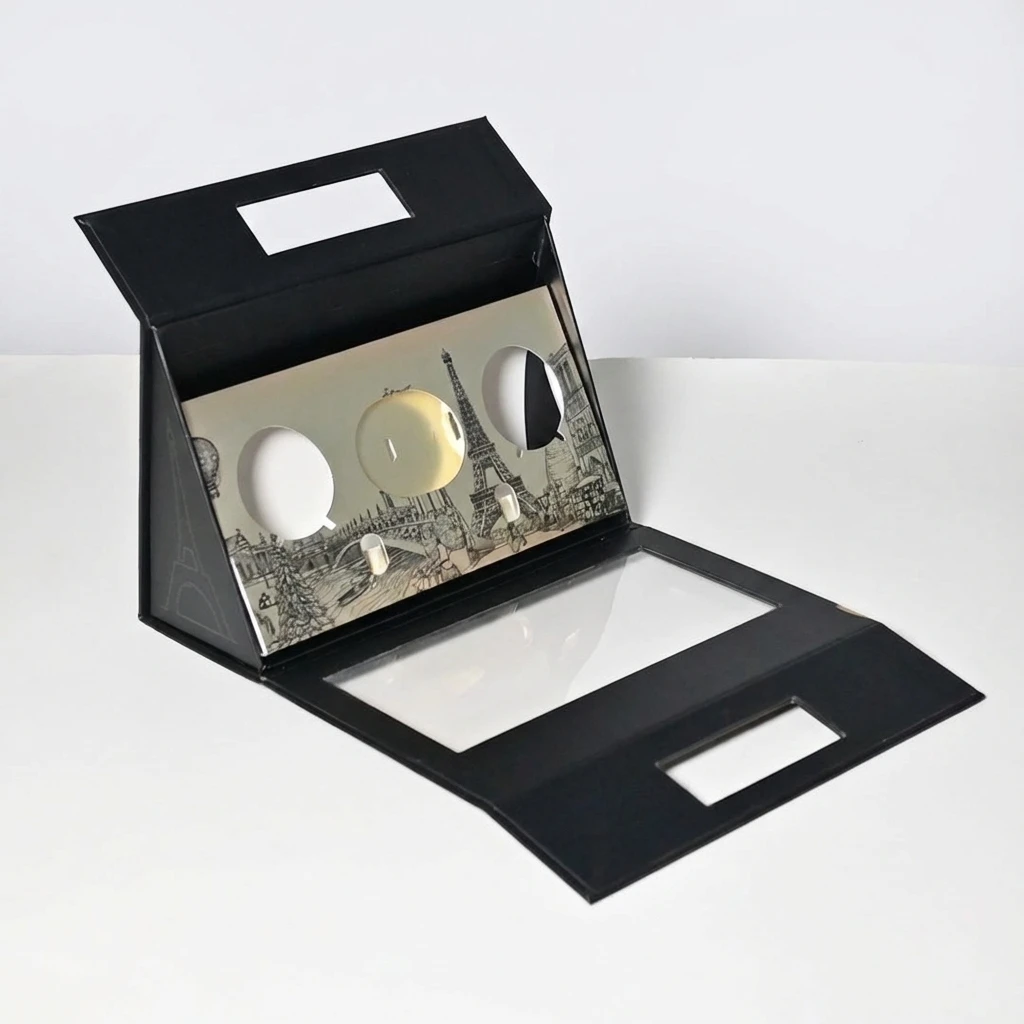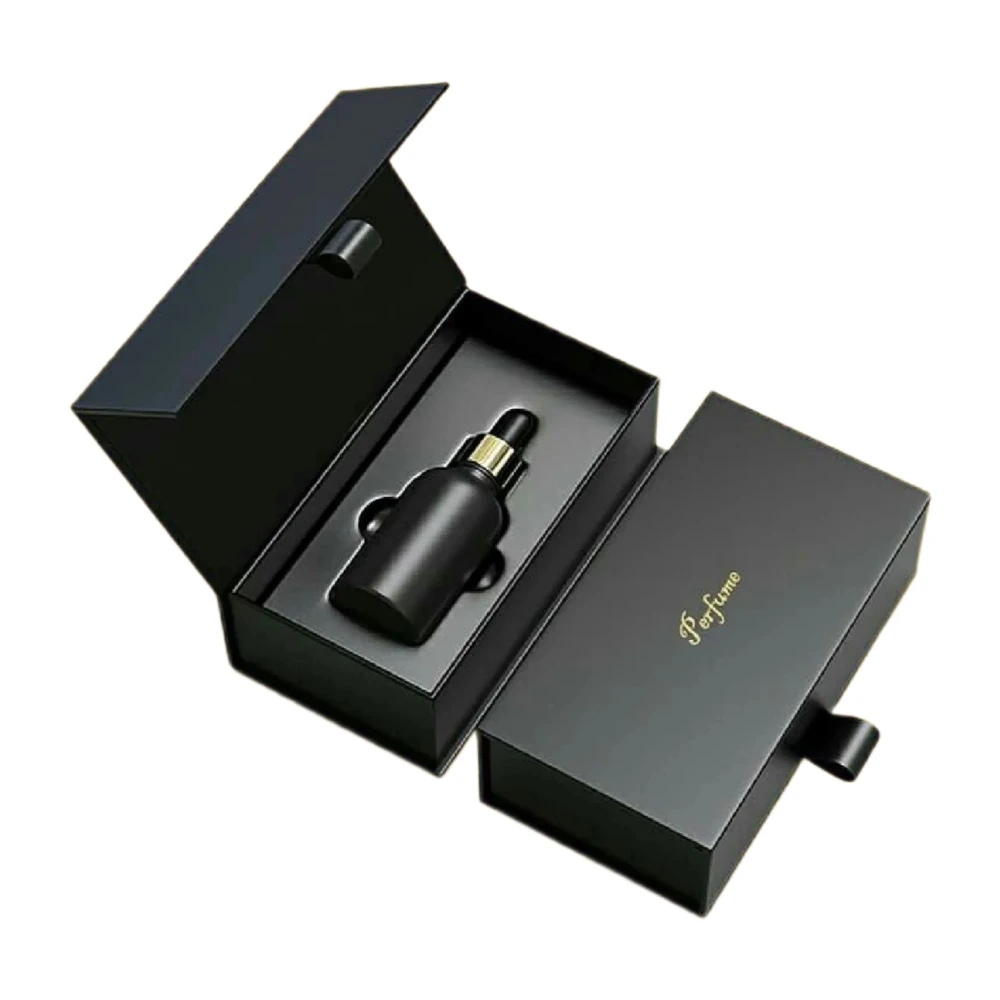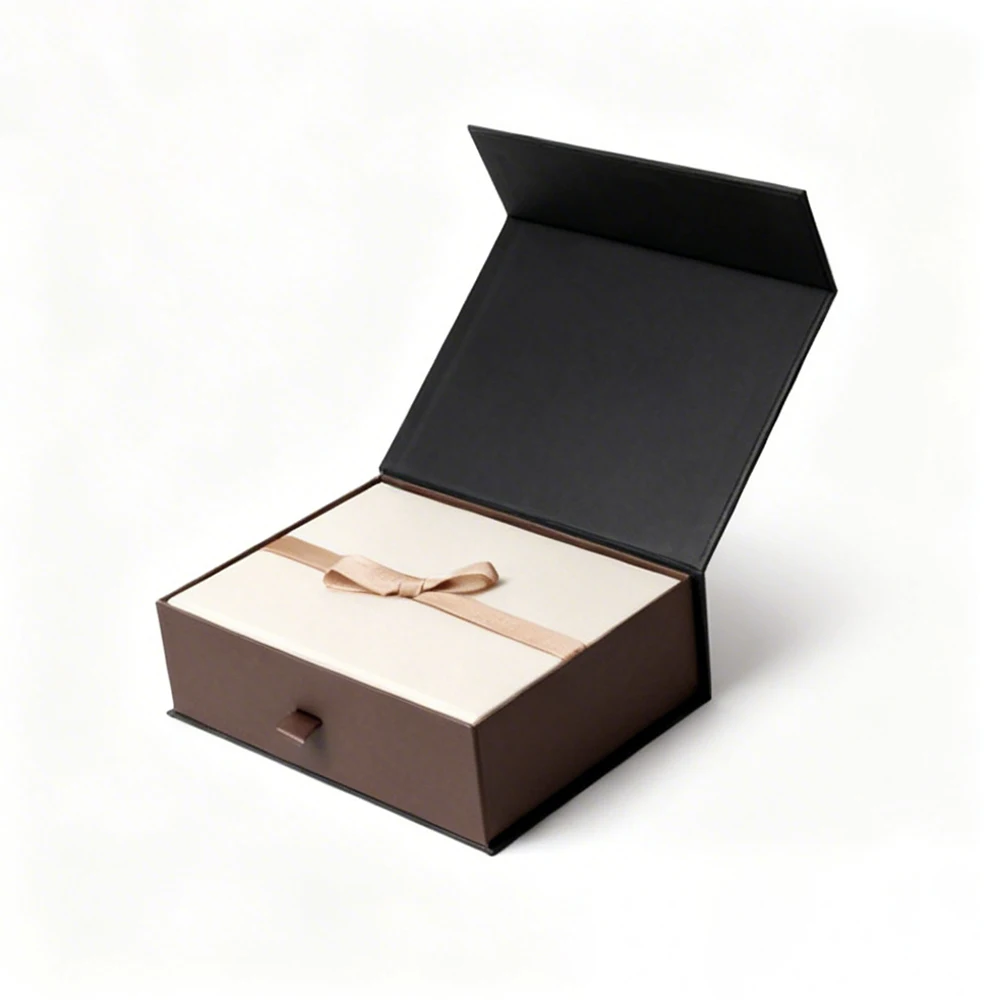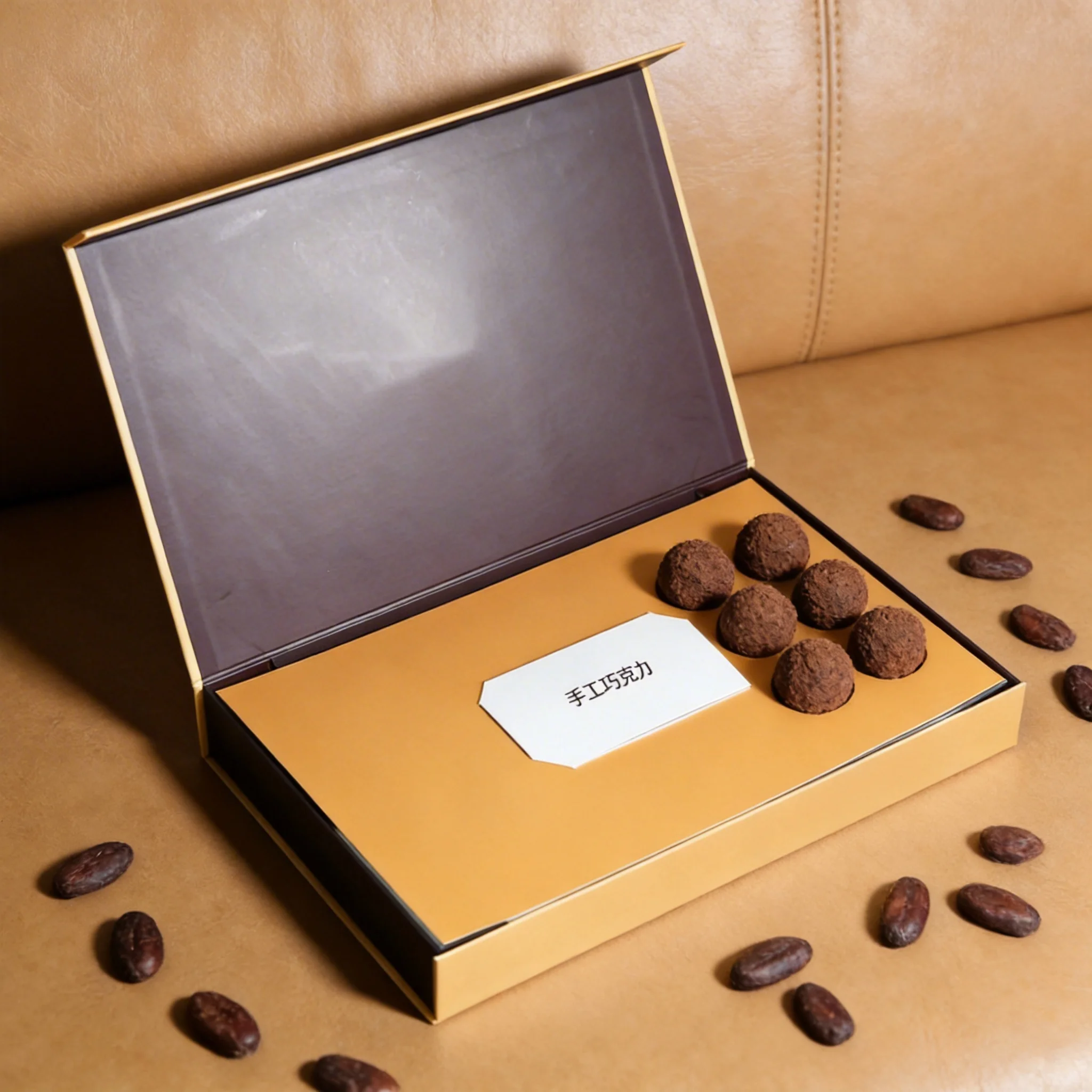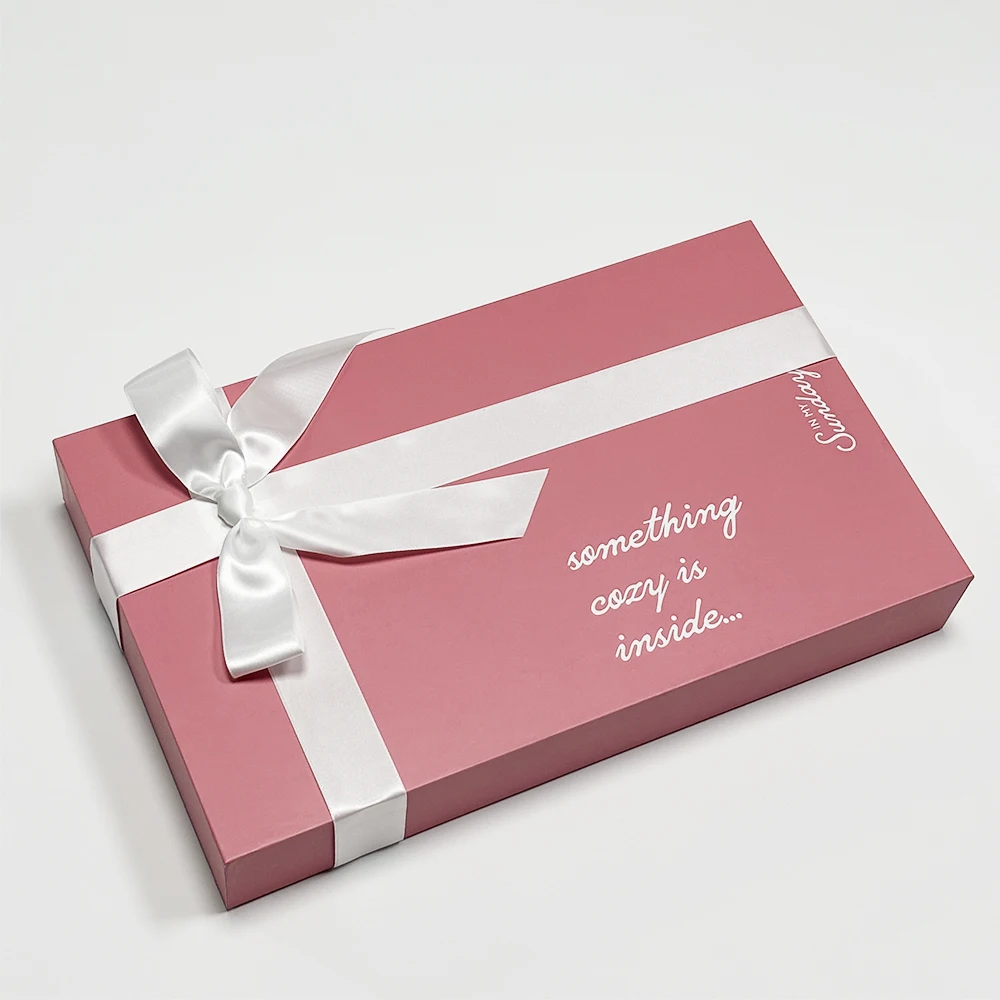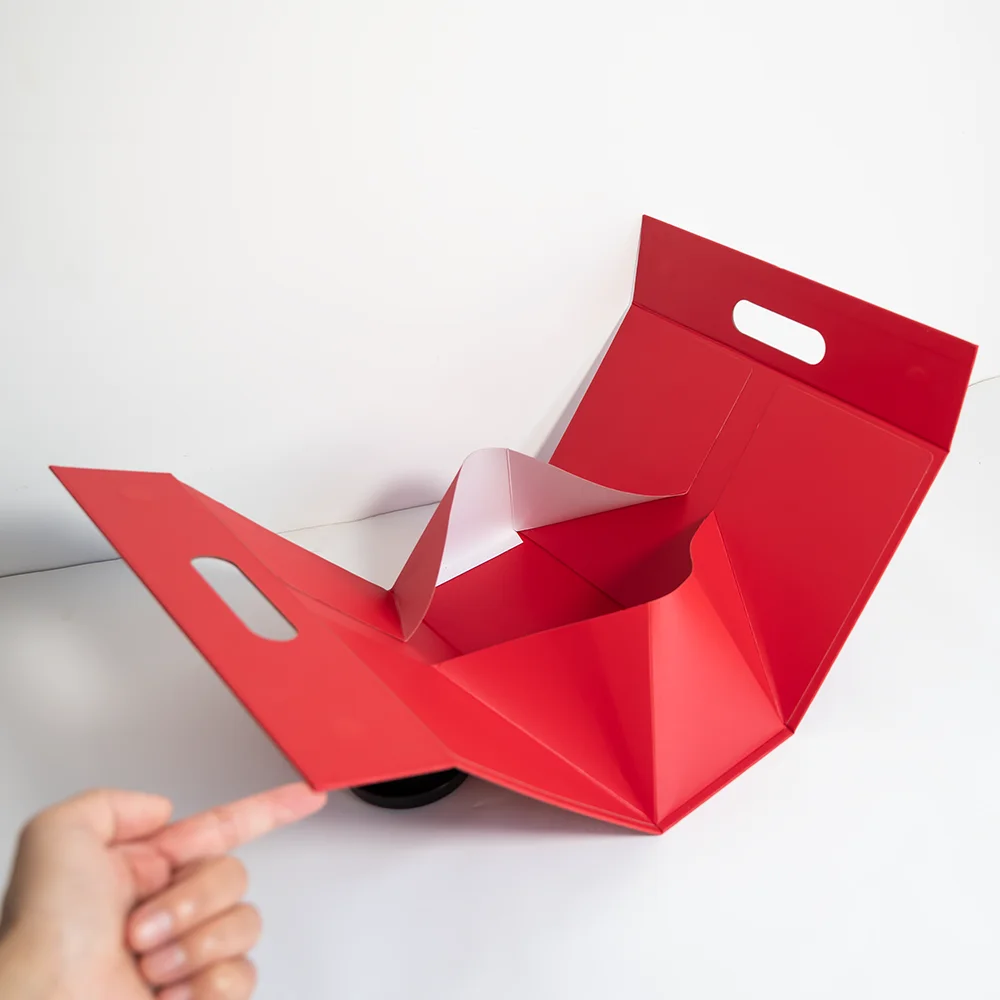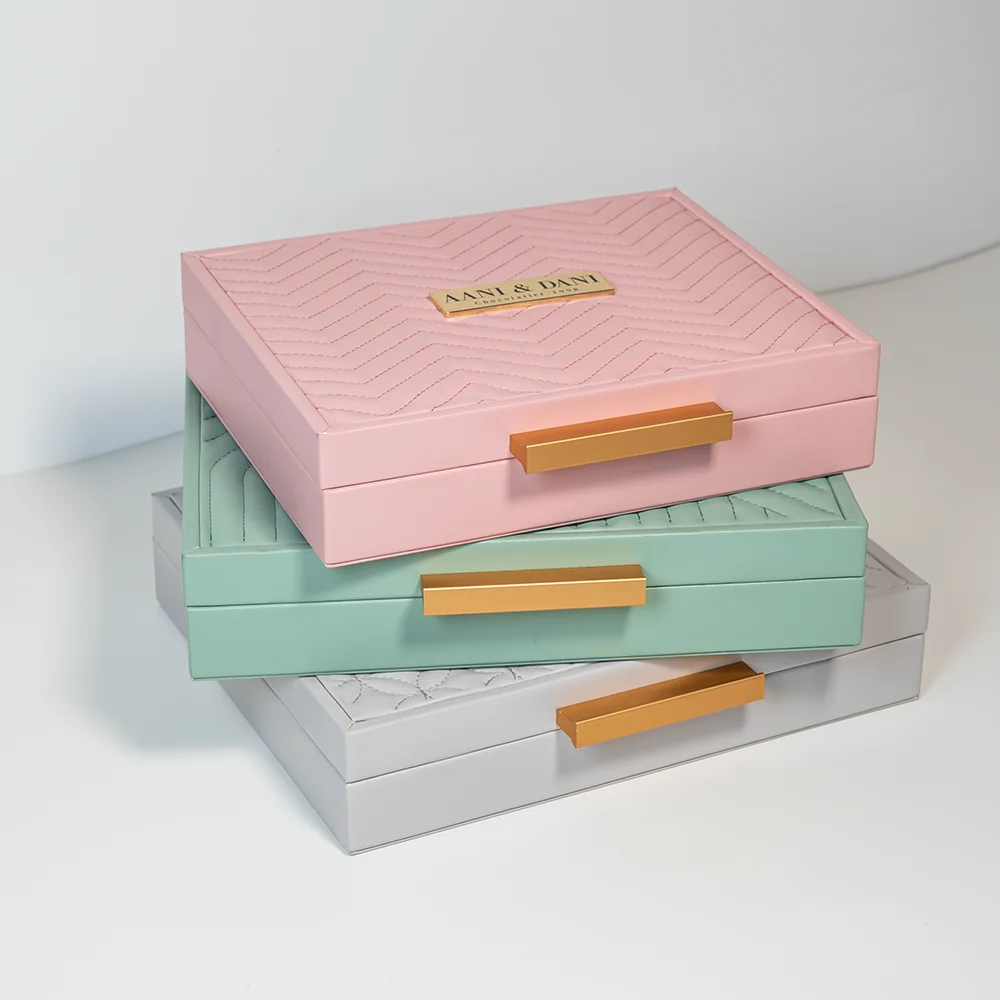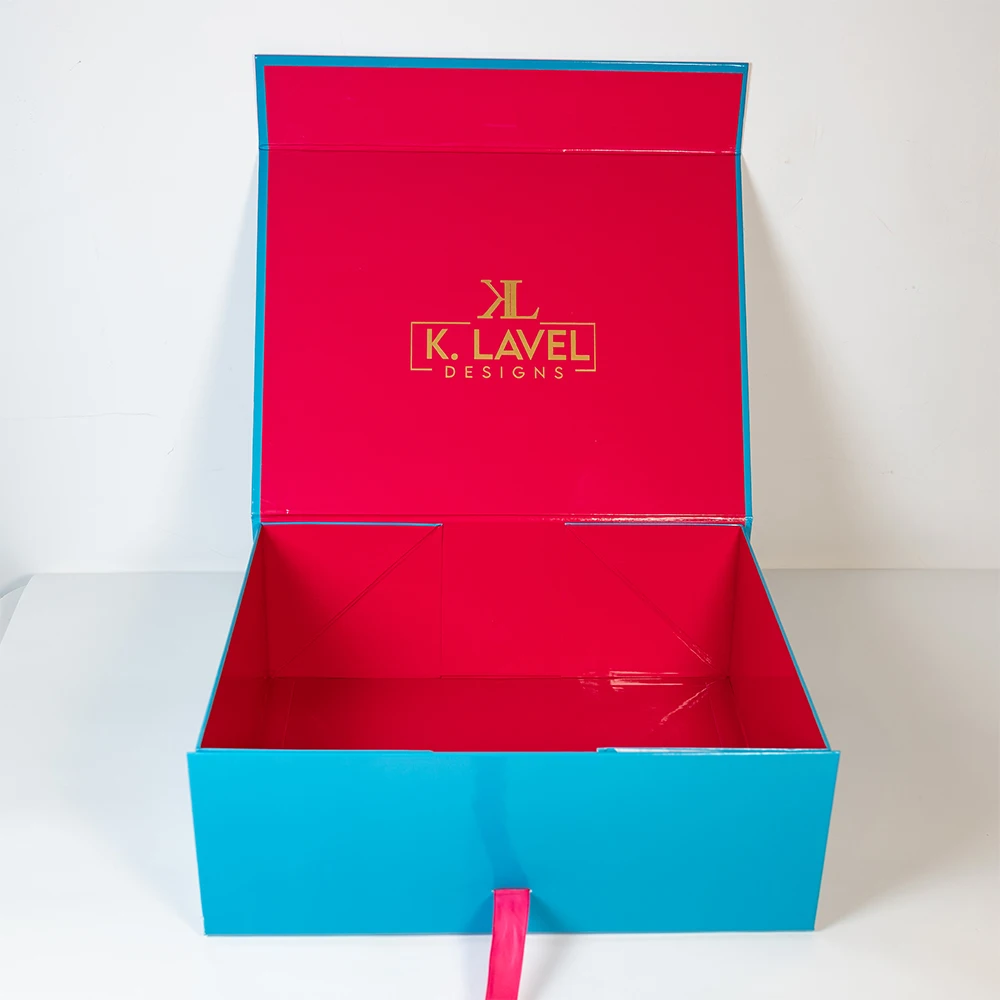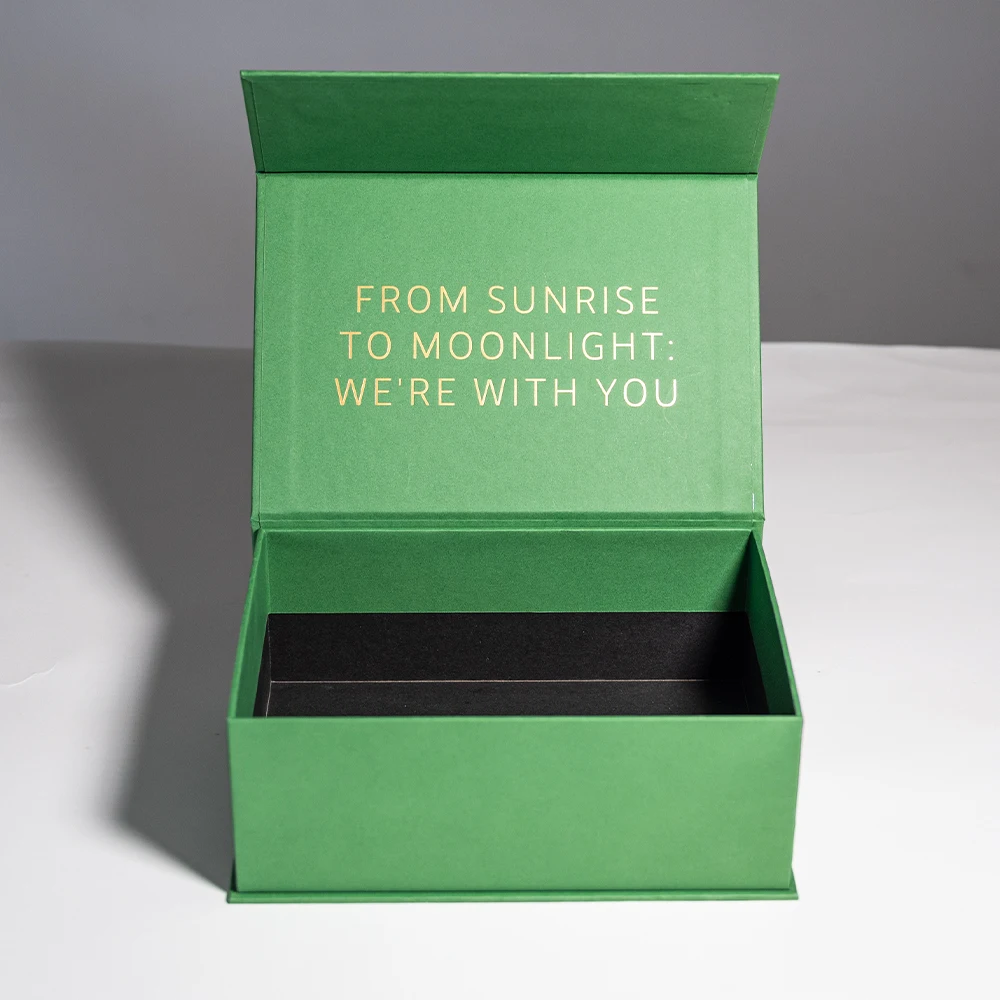
Small gift boxes are essential packaging solutions for businesses looking to enhance their product presentation, whether for retail sales or corporate gifting. As a B2B buyer, your concerns likely revolve around quality, material durability, customization options, and cost-effectiveness. This article will provide valuable insights into evaluating small cardboard gift boxes, including material selection, cost factors, manufacturing processes, and tips for effective presentation in retail environments.
When evaluating the quality of small gift boxes, consider several key factors: material composition, structural integrity, and aesthetic appeal. High-quality boxes should be made from sturdy materials that can withstand handling and transportation, especially if they will hold delicate items. Look for features such as reinforced corners and strong lids, which enhance durability.
In retail and corporate settings, the visual appeal of packaging can significantly influence customer perception. Consider how the box’s design aligns with your brand identity. Custom printing, embossing, or unique finishes can elevate the perceived value of the gift box. A sample evaluation is crucial; always request a prototype to assess its quality and visual appeal before committing to a bulk order.
The choice of material is critical for ensuring the durability of small gift boxes. Common materials include:
FSC Paper: Sourced from sustainably managed forests, FSC-certified paper is both eco-friendly and robust, making it ideal for various applications.
Leather: Often used for flat pack gift boxes, leather provides a premium feel but may come at a higher cost. Consider its application carefully to ensure that it meets your brand's expectations.
Cardboard: A versatile option, cardboard can be treated for added strength and durability. It can be printed on easily and is cost-effective for large orders.
When selecting materials, consider the intended use and customer expectations. For instance, if the gift box will be part of a high-end product offering, a leather option may be more suitable. Conversely, if cost is a primary concern, high-quality cardboard boxes may fulfill your needs effectively.
Cost is a significant factor when purchasing X· RHEA small gift boxes in bulk. Here are some key cost considerations:
Material Type: Different materials come with varying price points. Eco-friendly options, such as FSC paper, may have a premium but can enhance your brand image and appeal to environmentally conscious consumers.
Customization: Custom designs, including printing and embossing, can increase costs. Assess the value of customization against your marketing strategy to determine if it's worth the investment.
Order Quantity: Many manufacturers, including Shanghai Xianrong Packaging, operate on minimum order quantities (MOQ). Larger orders typically reduce the unit price, but consider inventory management and storage costs.
Shipping and Handling: Factor in shipping costs, especially if sourcing from overseas. Weight and packaging size can significantly impact logistics expenses.
By understanding these cost factors, you can make informed decisions that align with your budget and business goals.
Effective presentation of X· RHEA small gift boxes in retail settings can significantly influence customer purchases. Here are some tips:
Strategic Placement: Position gift boxes at eye level on shelves to attract attention. Use signage to highlight special offers or features.
Themed Displays: Create themed displays that align with holidays or events to encourage impulse buying. For example, seasonal packaging can enhance the gifting experience.
Use of Props: Incorporate props or complementary products in your display to create a cohesive look. This can enhance the perceived value of the gift box and encourage additional purchases.
Quality Control: Regularly inspect stock to ensure that all boxes are in pristine condition. Damaged packaging can detract from the perceived value of your products.
By following these presentation tips, you can create an engaging retail environment that encourages customers to choose your products.
When we receive materials, we conduct rigorous quality control Gift packing box. All through the process of manufacturing, from stamping to printing, and beyond--we keep the highest standards of quality control for our products. When we have finished the products, a thorough examination ensues, culminating in a functional test that is tailored to our customers' specifications. A product can only be delivered if it passes these tests.
Our long-standing partnerships with Fortune 500 enterprises attest to the Gift packaging and trustworthiness we provide These prestigious clients receive a comprehensive suite of services including RD and design manufacturing and logistics tailored to their requirements for premium packaging
We Self care care package accredited by FSC, FAC, ISO, BSCI, ROHS, and FAMA, with additional accreditation for Extended Producer Responsibility (EPR). Our commitment to sustainability can be seen by our use of FSC-certified papers, recycled materials, inks based on soy, as well as other green components. This ensures that our products have a low environmental impact.
if you require a regional sample or revisions for urgent proofing two-hour expedited service allows projects move smoothly unhindered delays offer steady reliable timelines span from 4 25 days quick delivery materials the speed of delivery is a Personalized boxes for shipping element in our service philosophy our precise control of the logistics chain ensures that your orders are timed to be delivered
Understanding the manufacturing processes involved in producing X· RHEA small gift boxes can help you make better purchasing decisions. Here are common steps in the process:
Design Development: This stage involves creating the box design, including dimensions, material selection, and any custom features. Collaborating with your manufacturer to finalize the design is crucial for ensuring it meets your needs.
Material Sourcing: Manufacturers procure materials based on the agreed specifications. Sustainable options like FSC-certified paper are increasingly popular, aligning with environmental goals.
Production: Advanced equipment, such as Heidelberg printing machines, is often used for mass production. This stage includes cutting, folding, and assembling the boxes.
Quality Control: Quality assurance checks should be conducted throughout the production process. This includes testing for structural integrity, print quality, and overall appearance.
Packaging and Shipping: Once produced, custom magnetic gift boxes are packaged for shipping. Understanding this process can help you prepare for lead times and shipping costs.
By familiarizing yourself with these manufacturing processes, you can better communicate your needs to suppliers and ensure that the final product meets your expectations.
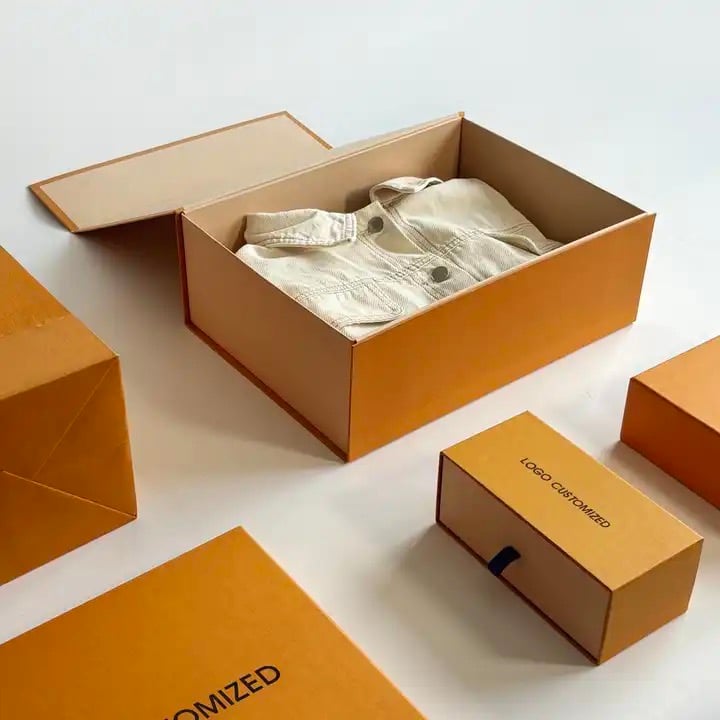 Apparel Boxes
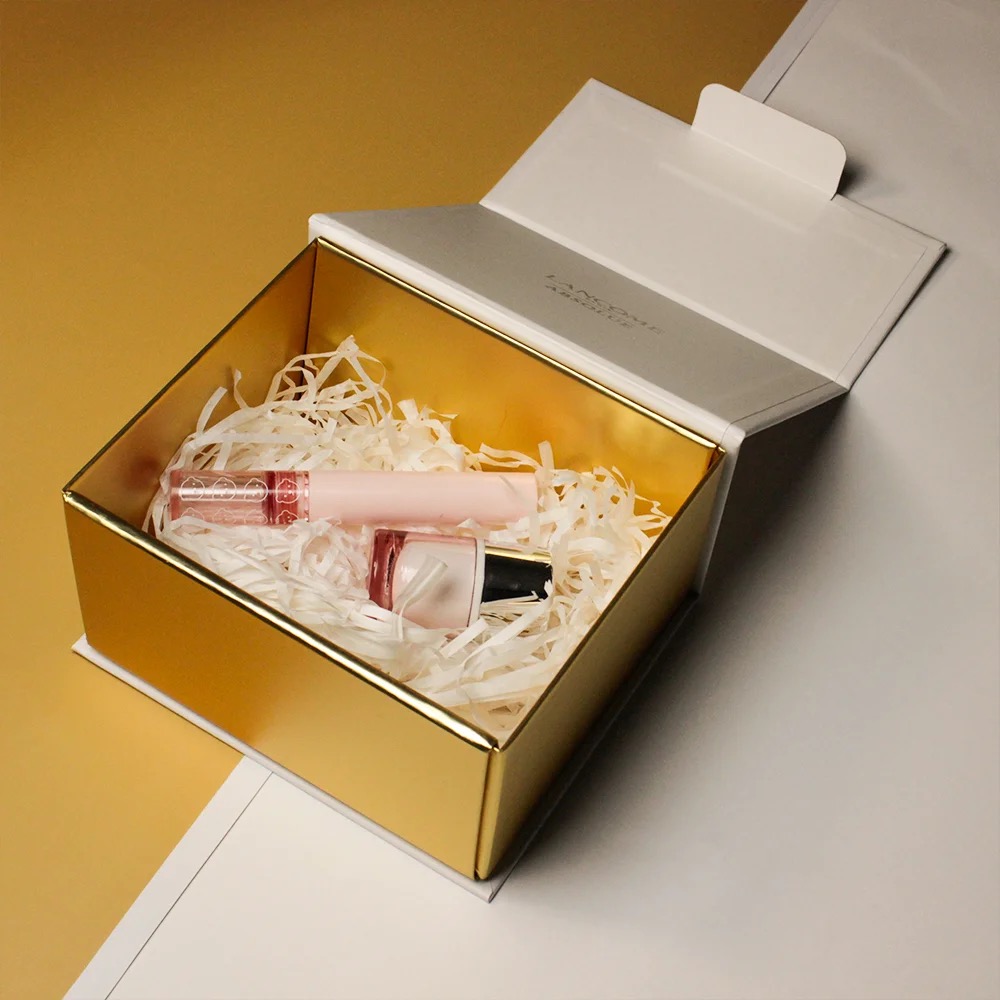 Cosmetics Boxes
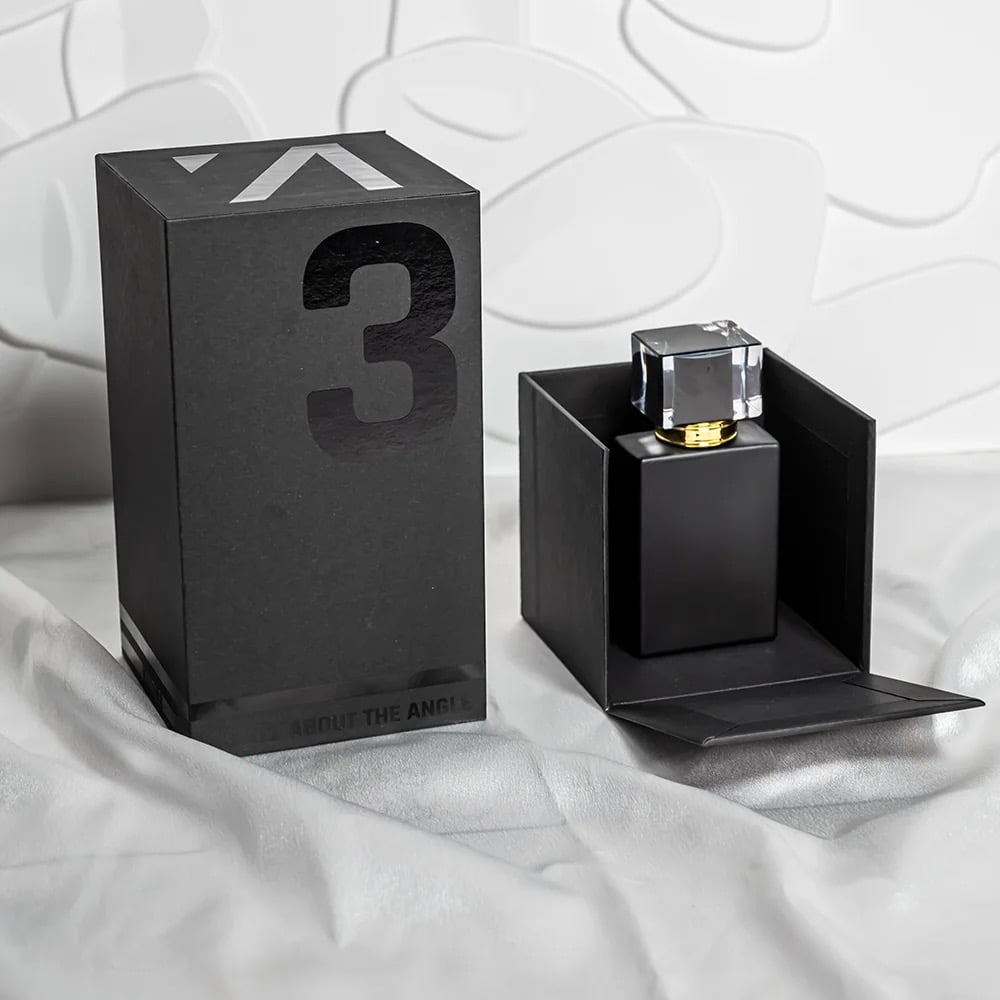 Perfume Boxes
 E-commence Boxes
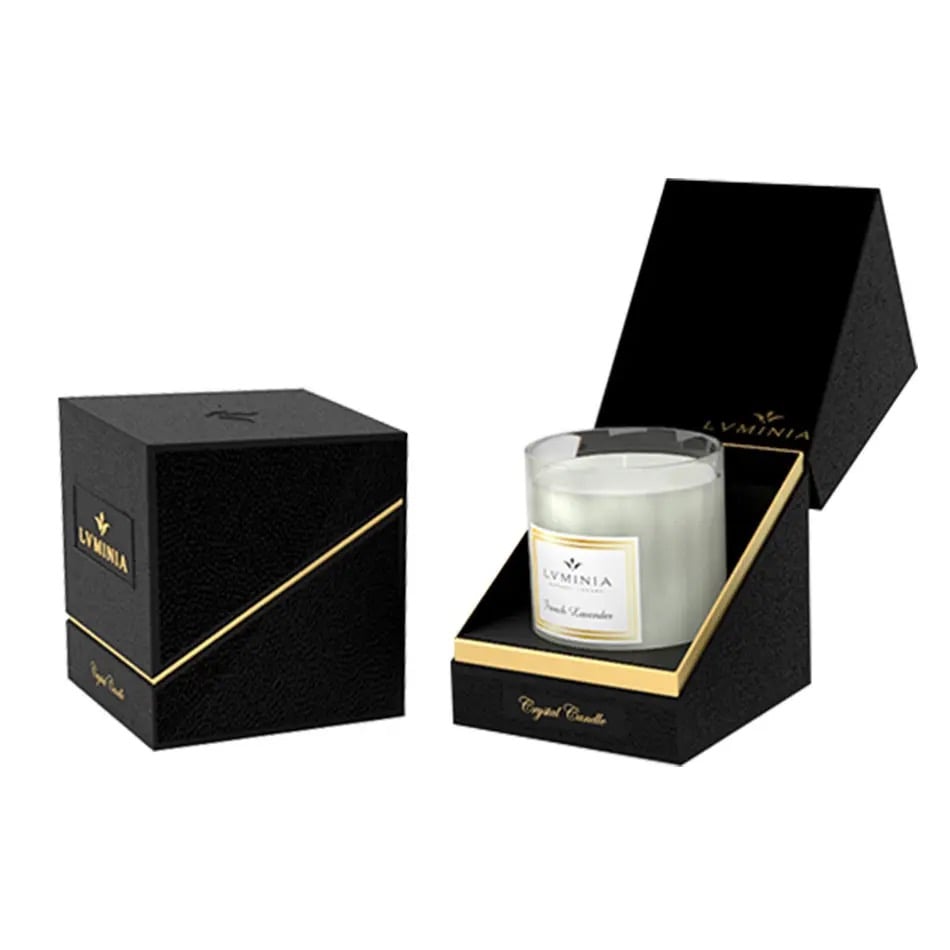 Candle Boxes
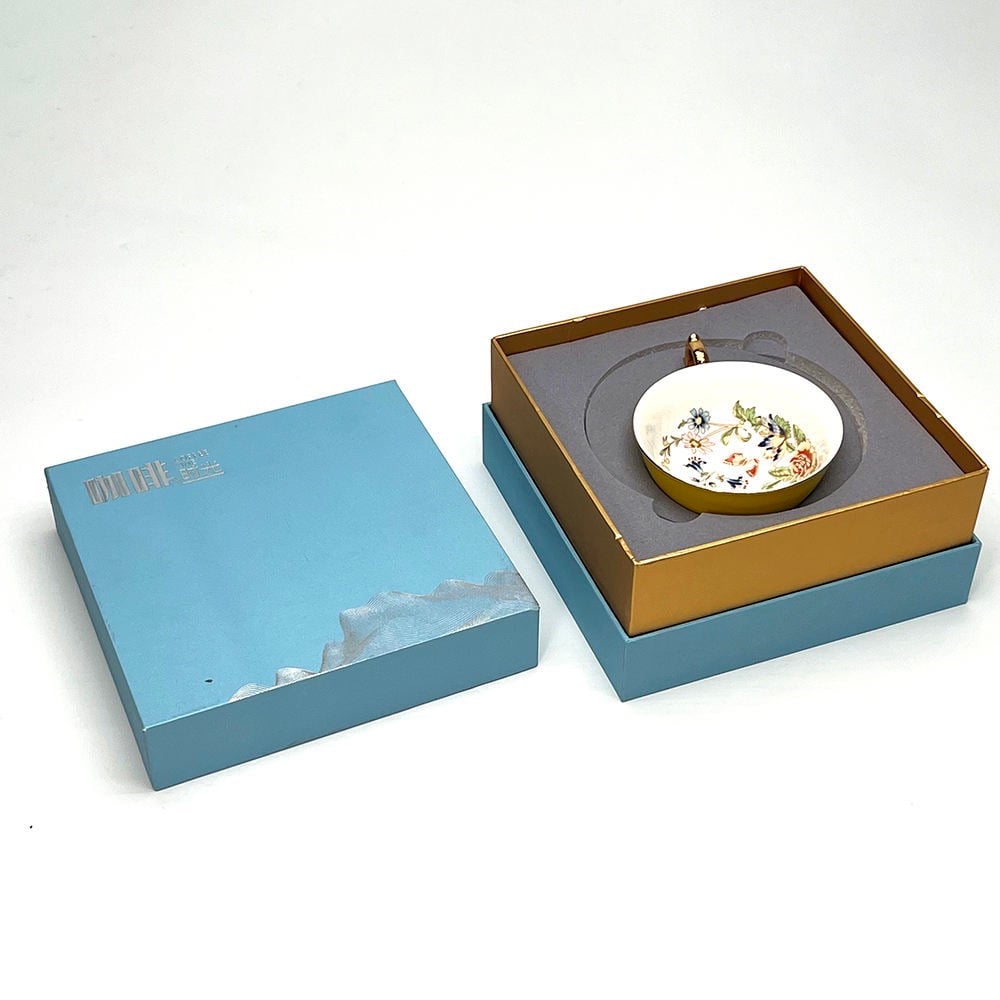 Mug Boxes
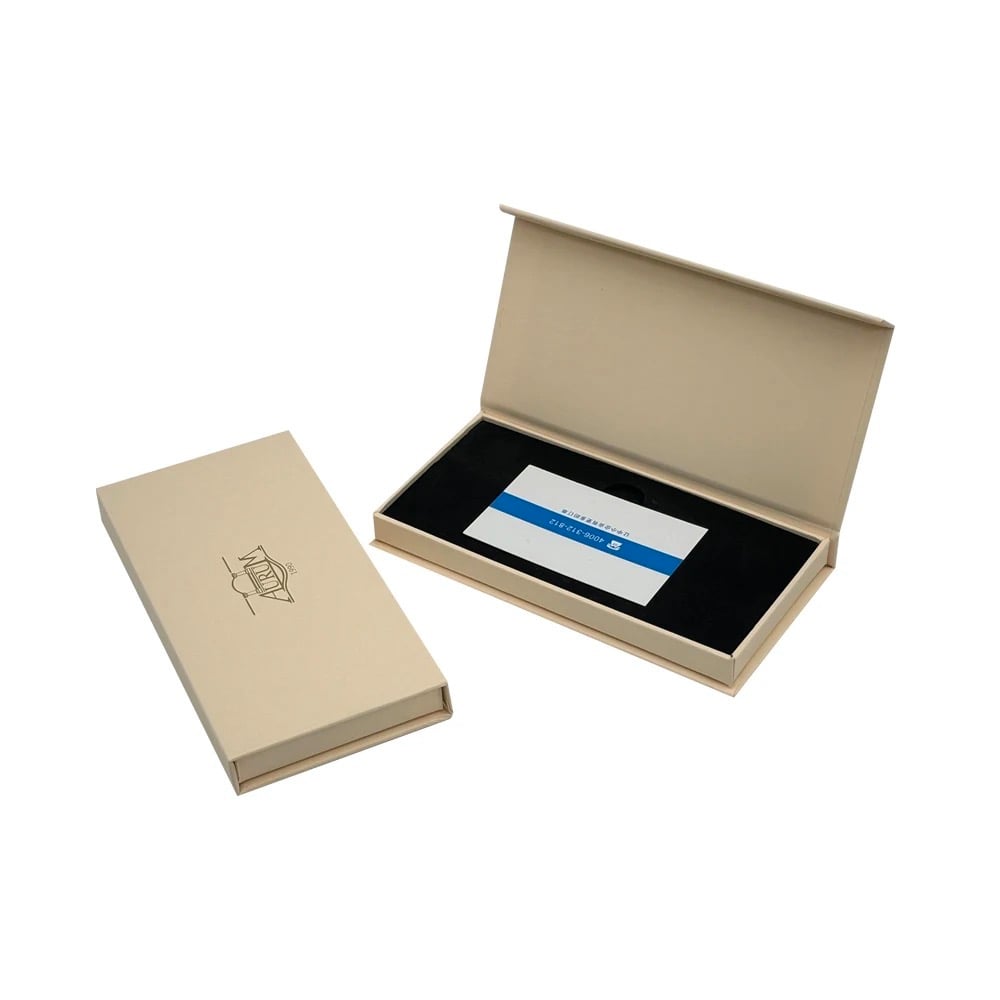 Business/Game Card Boxes
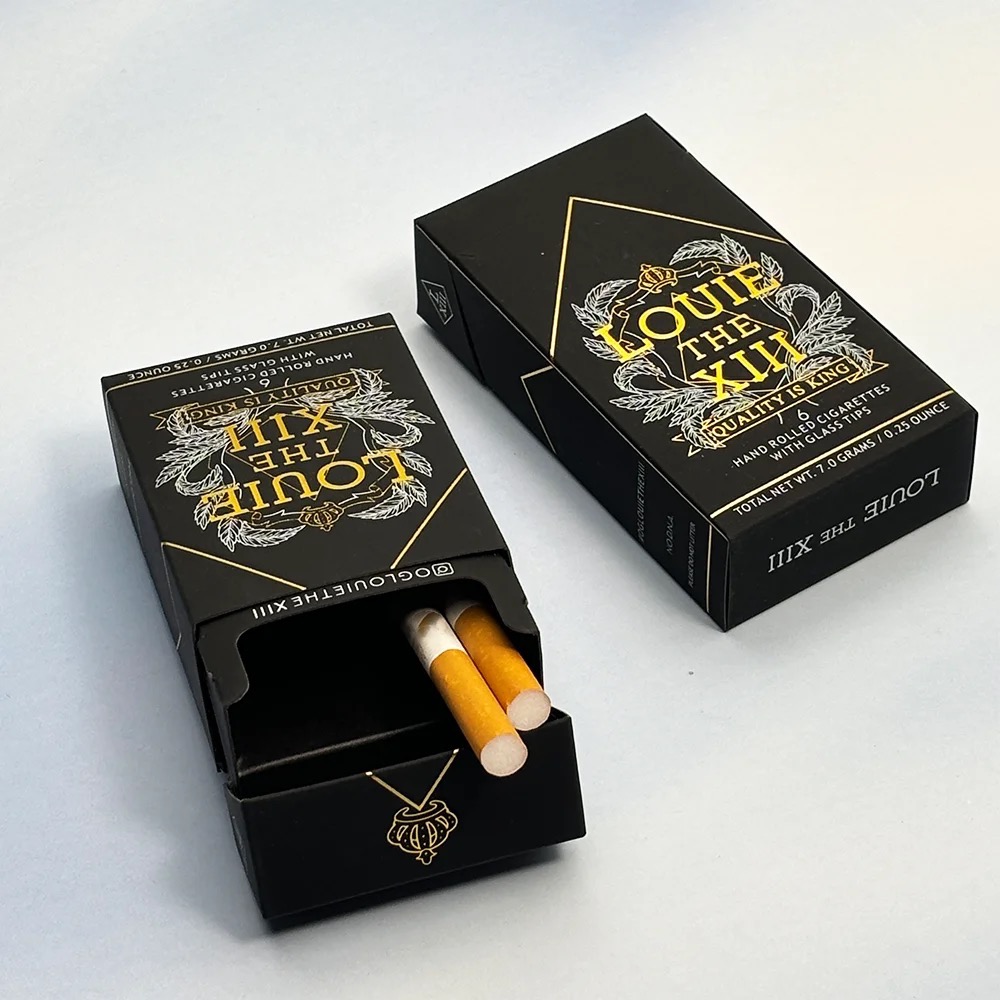 CBD Boxes
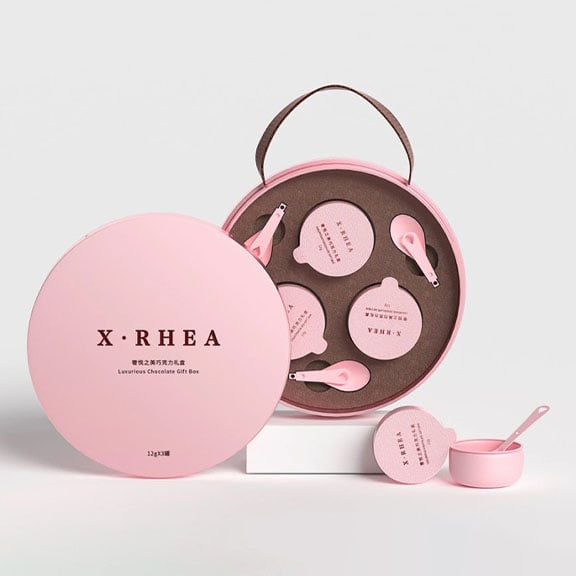 Chocolate Boxes
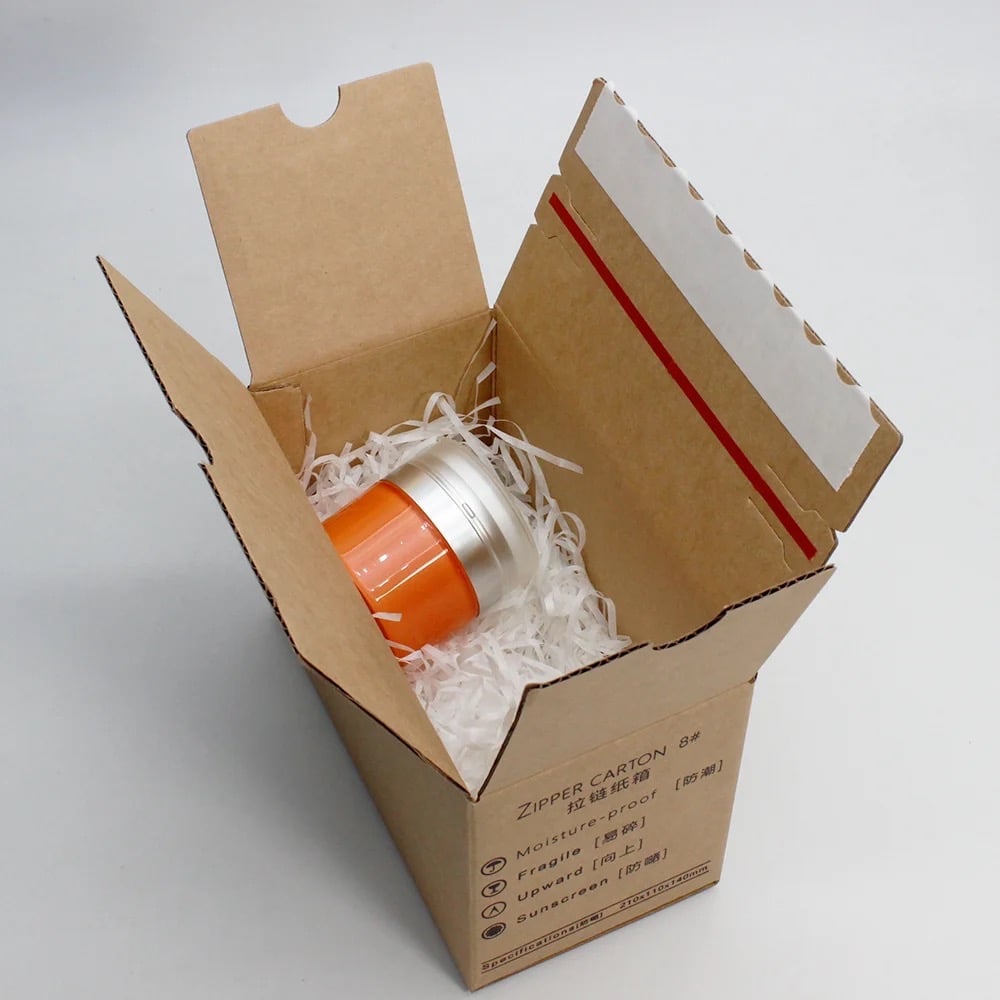 Amazon Boxes
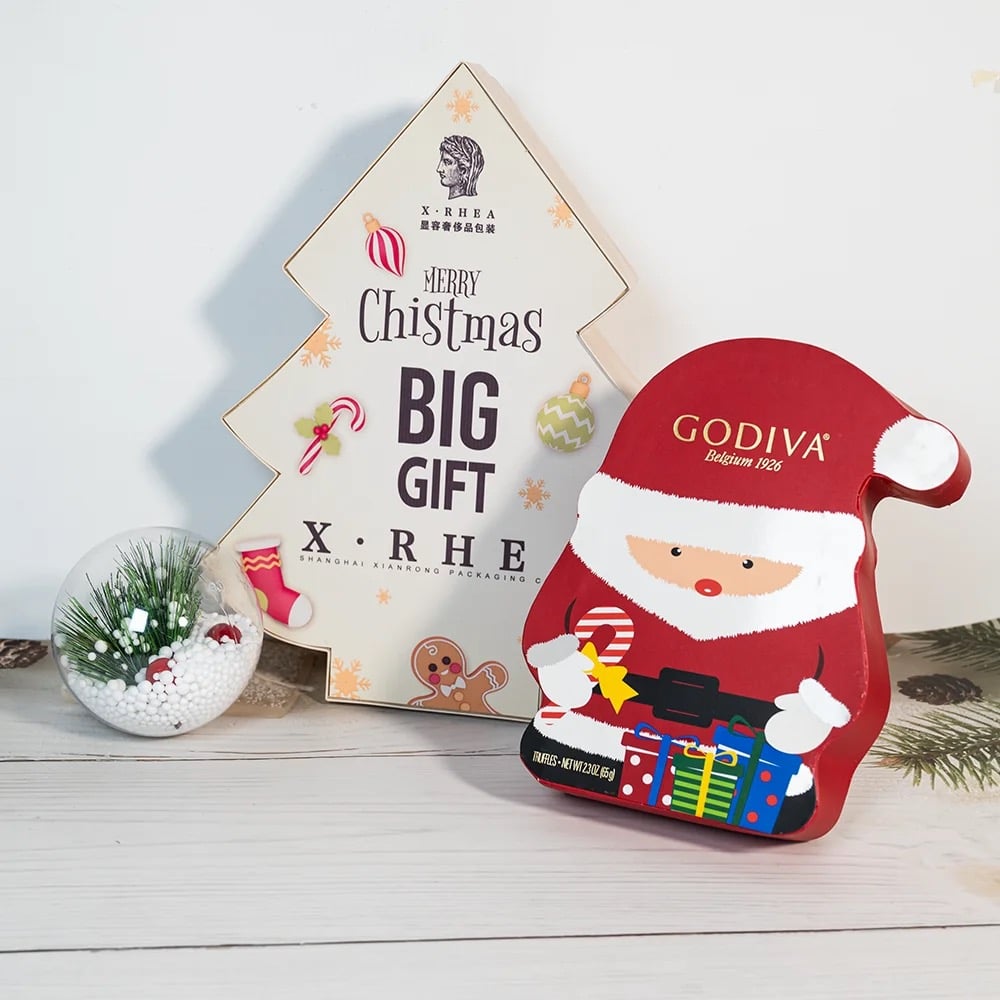 Christmas Boxes
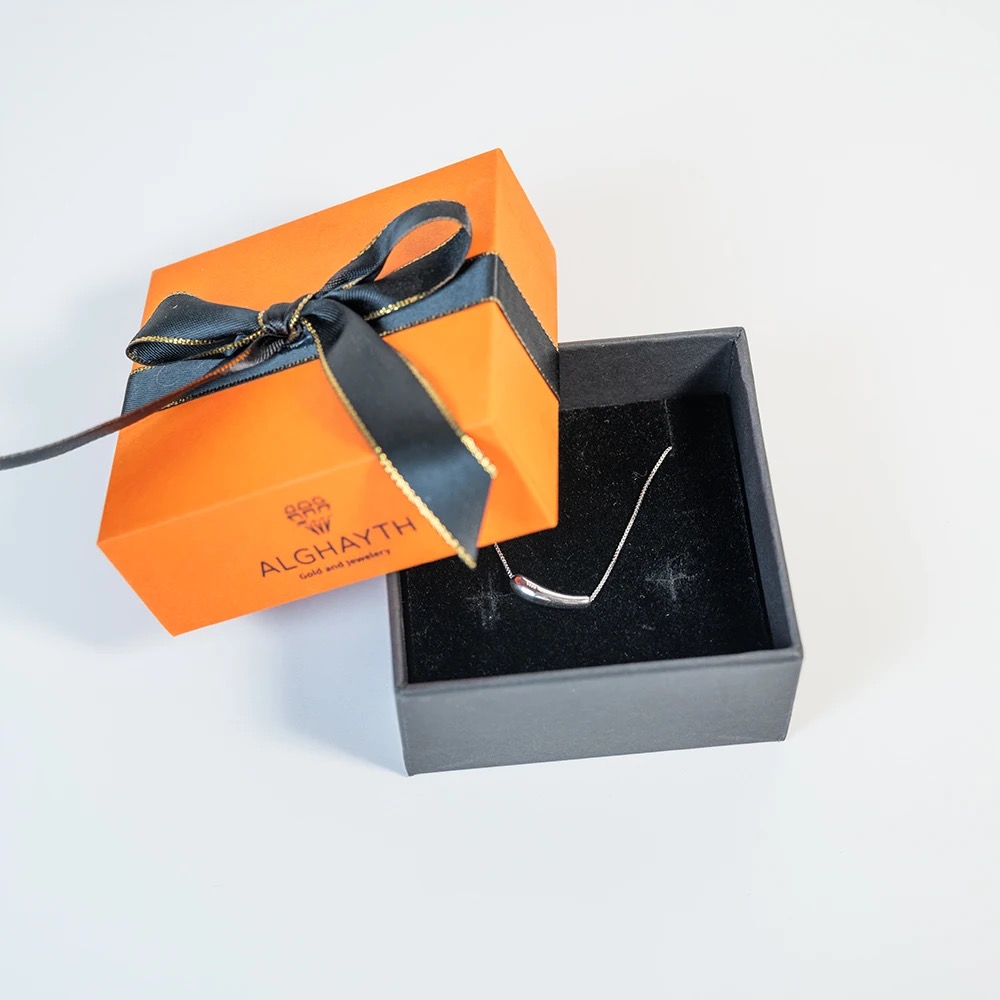 Jewelry Boxes
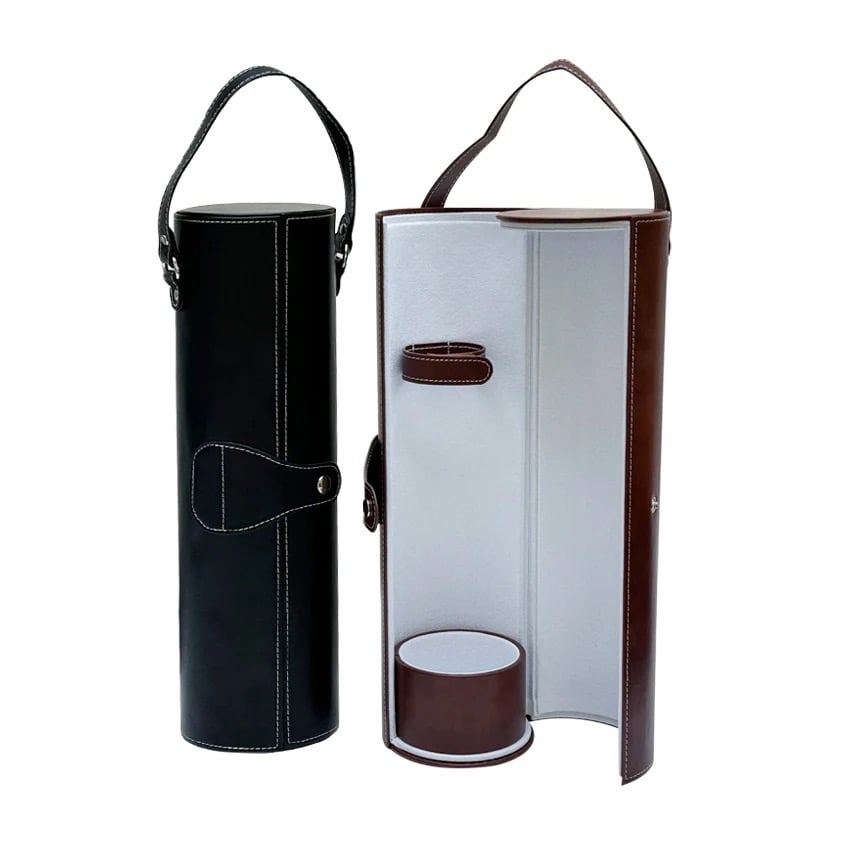 Wine Boxes
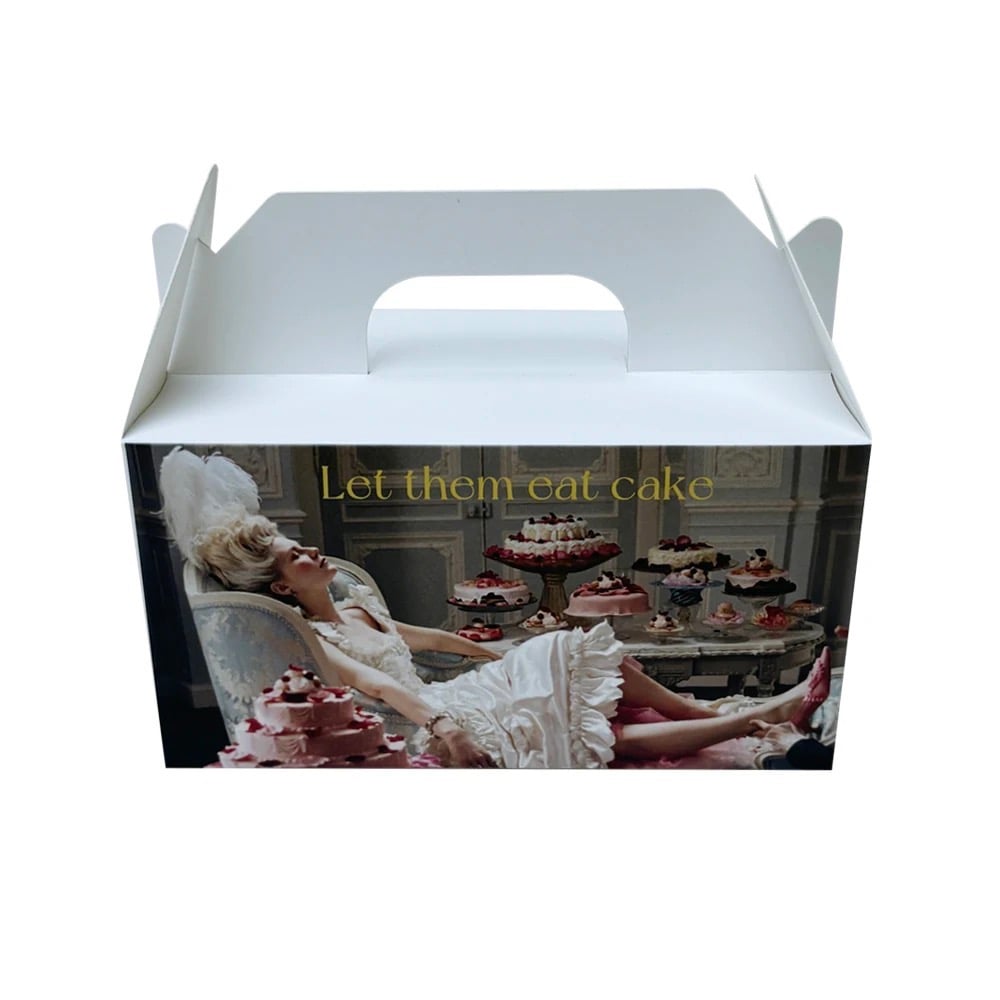 Food Boxes
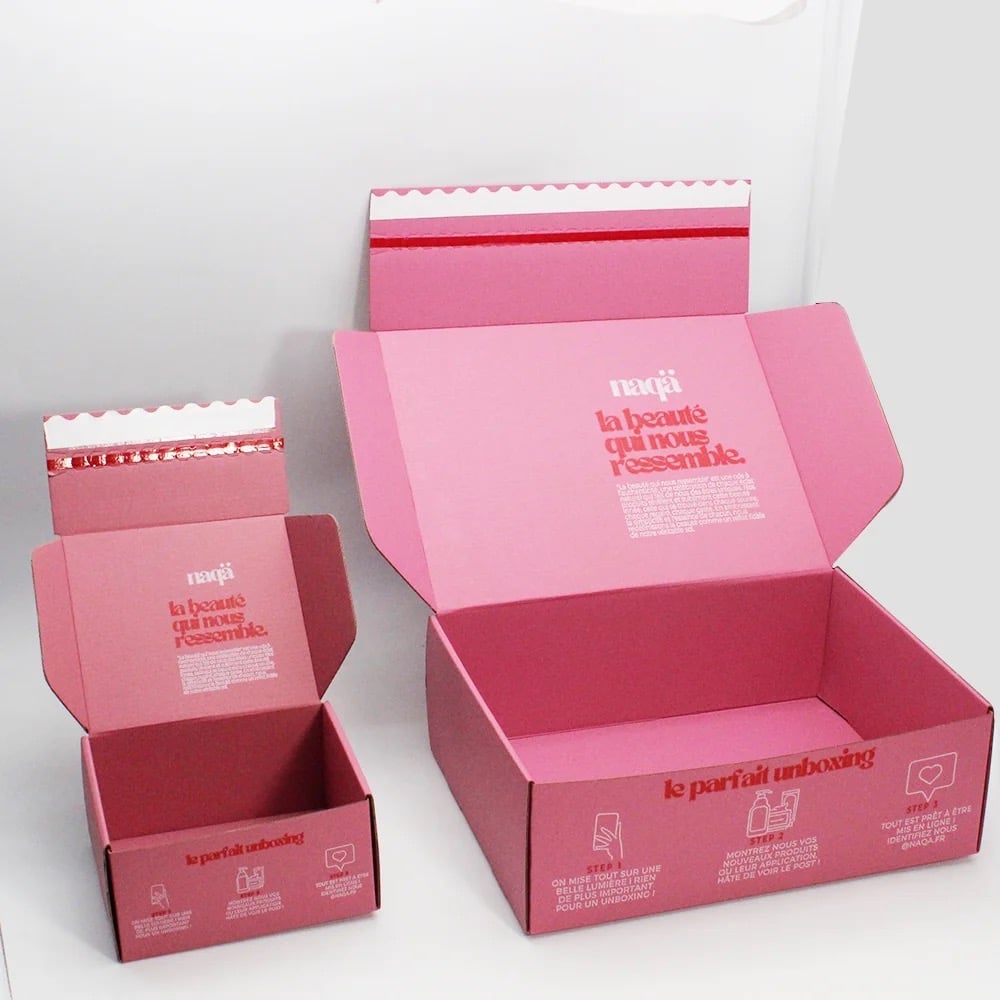 Shipping Boxes
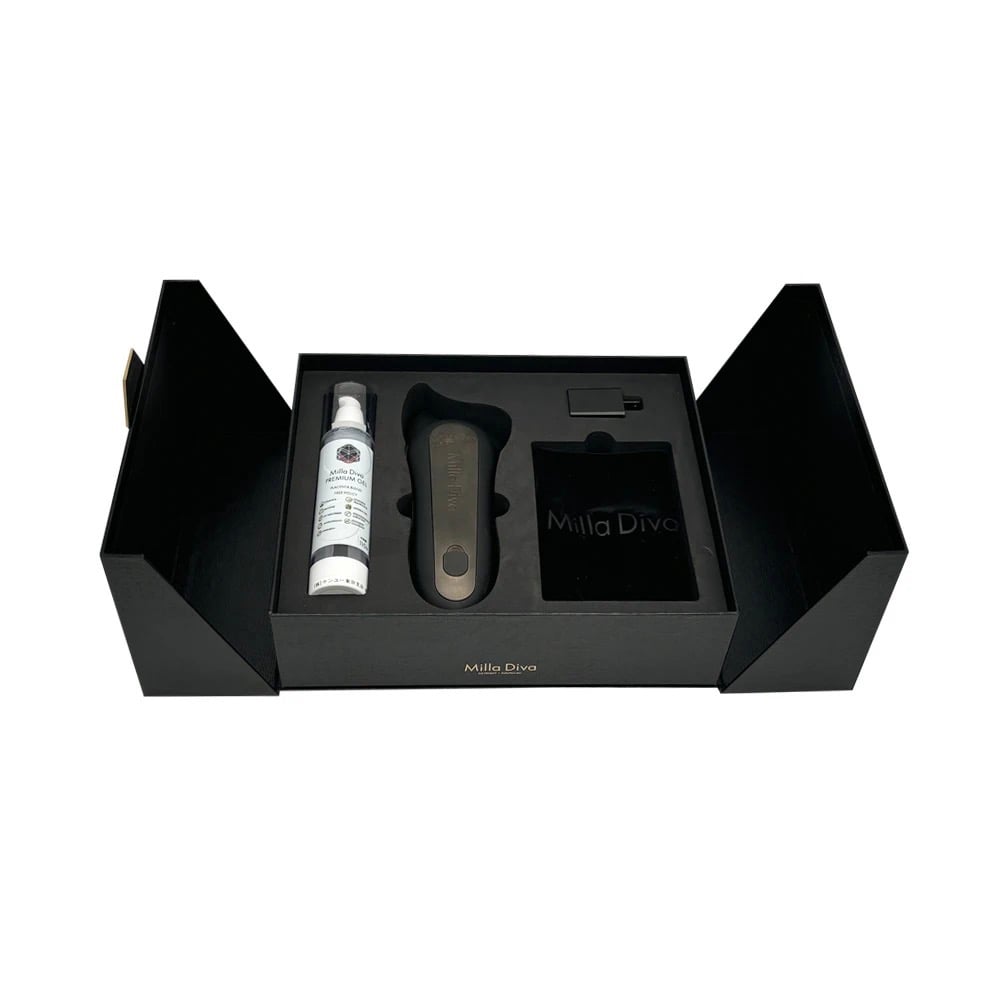 Electronic Boxes
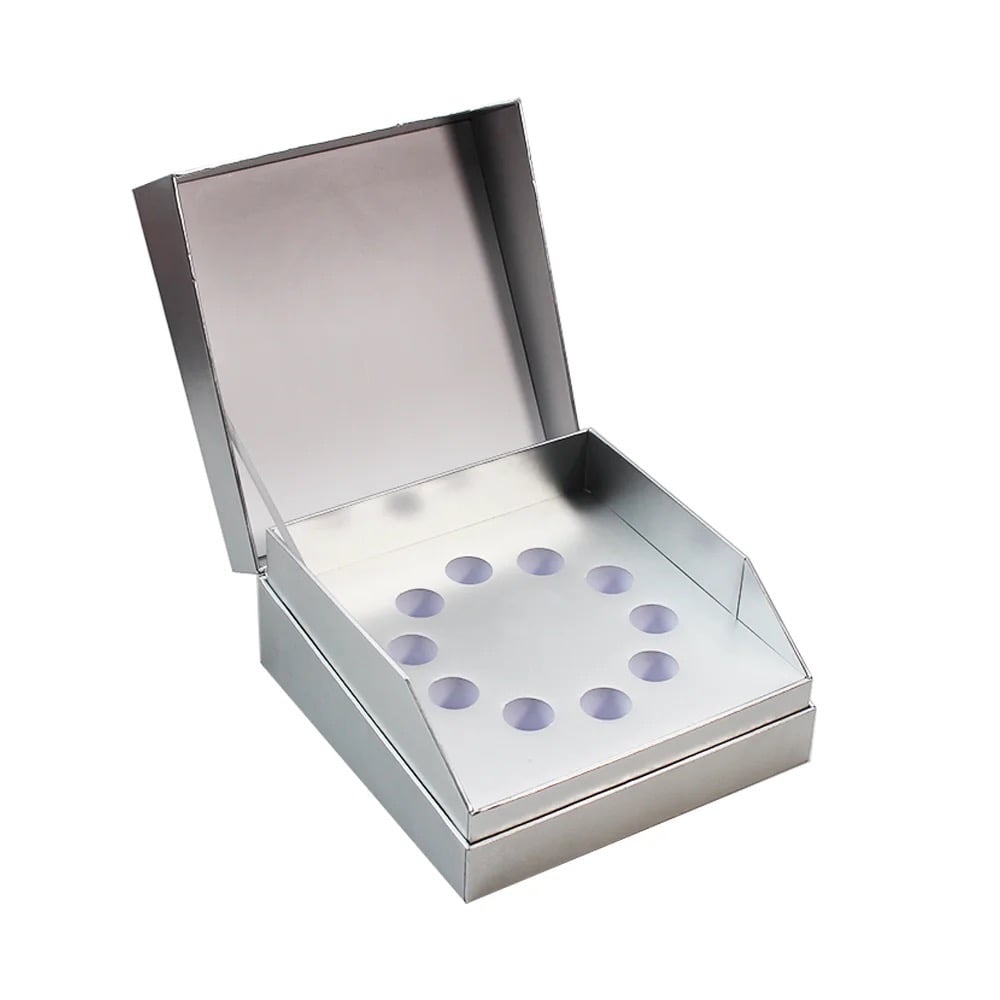 Pharmaceutical Boxes
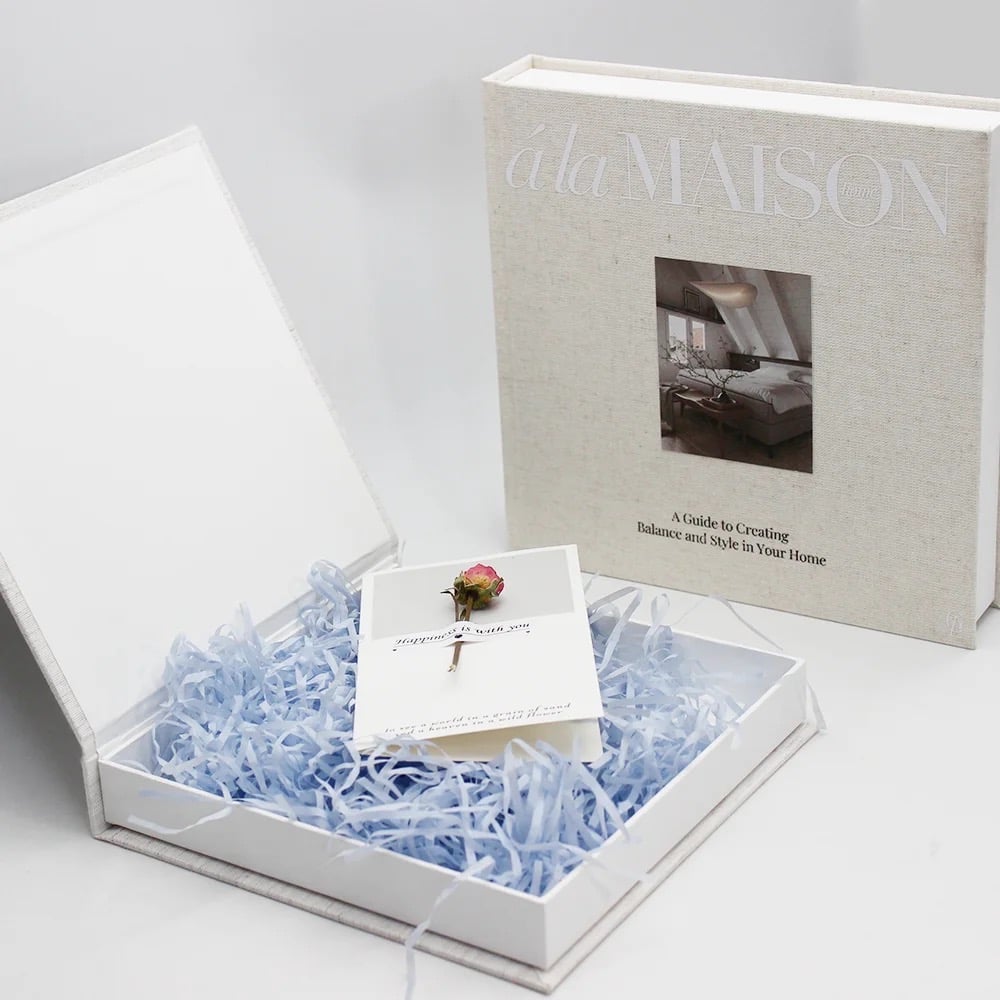 Presentation Boxes
 Magnetic Boxes
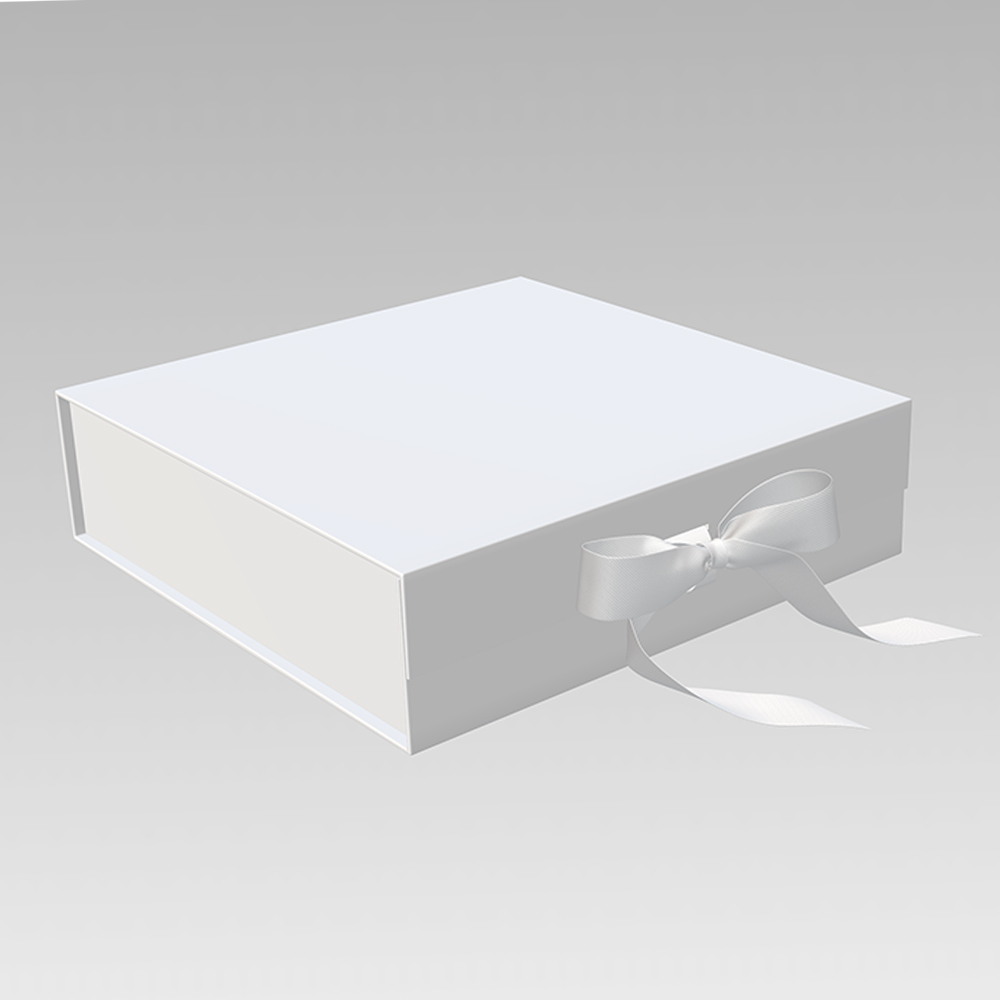 Foldable rigid box
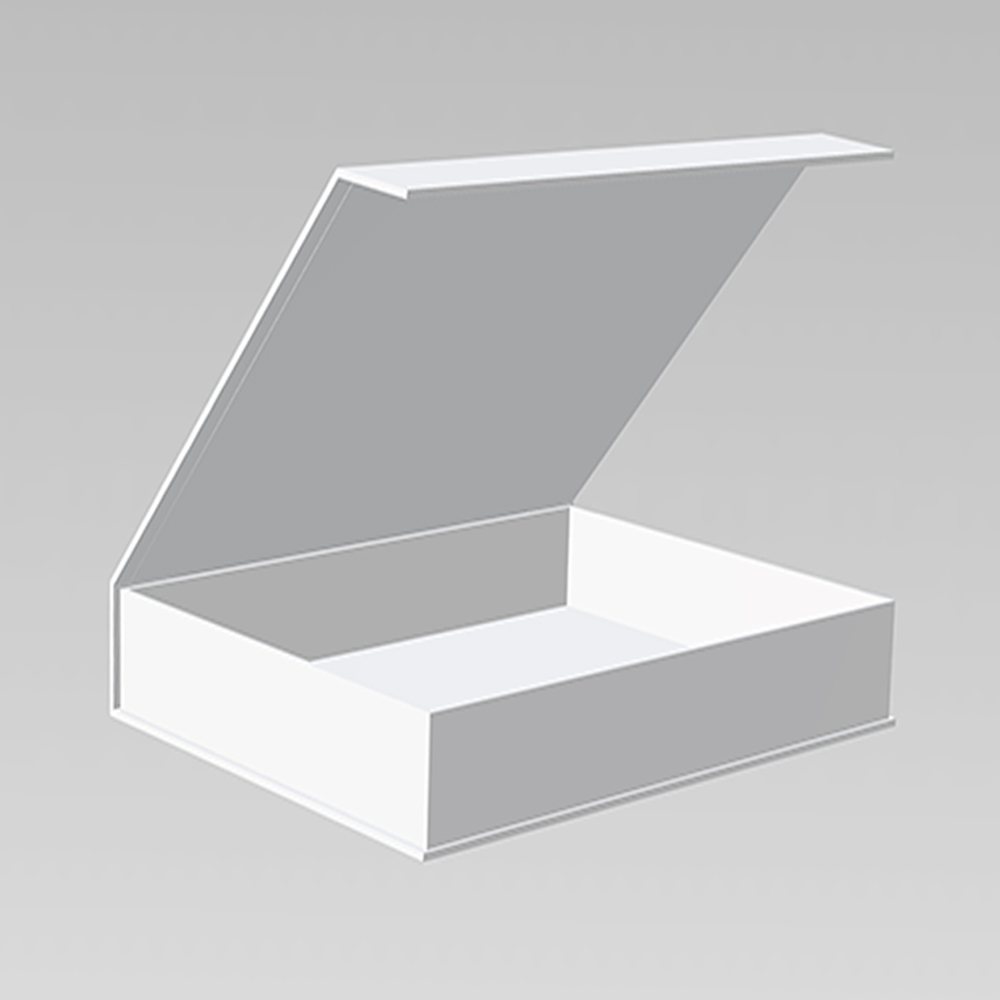 Book shape rigid box
 Double door open box
 Card Boxes
 Game card box
 Business card box
 Folding carton
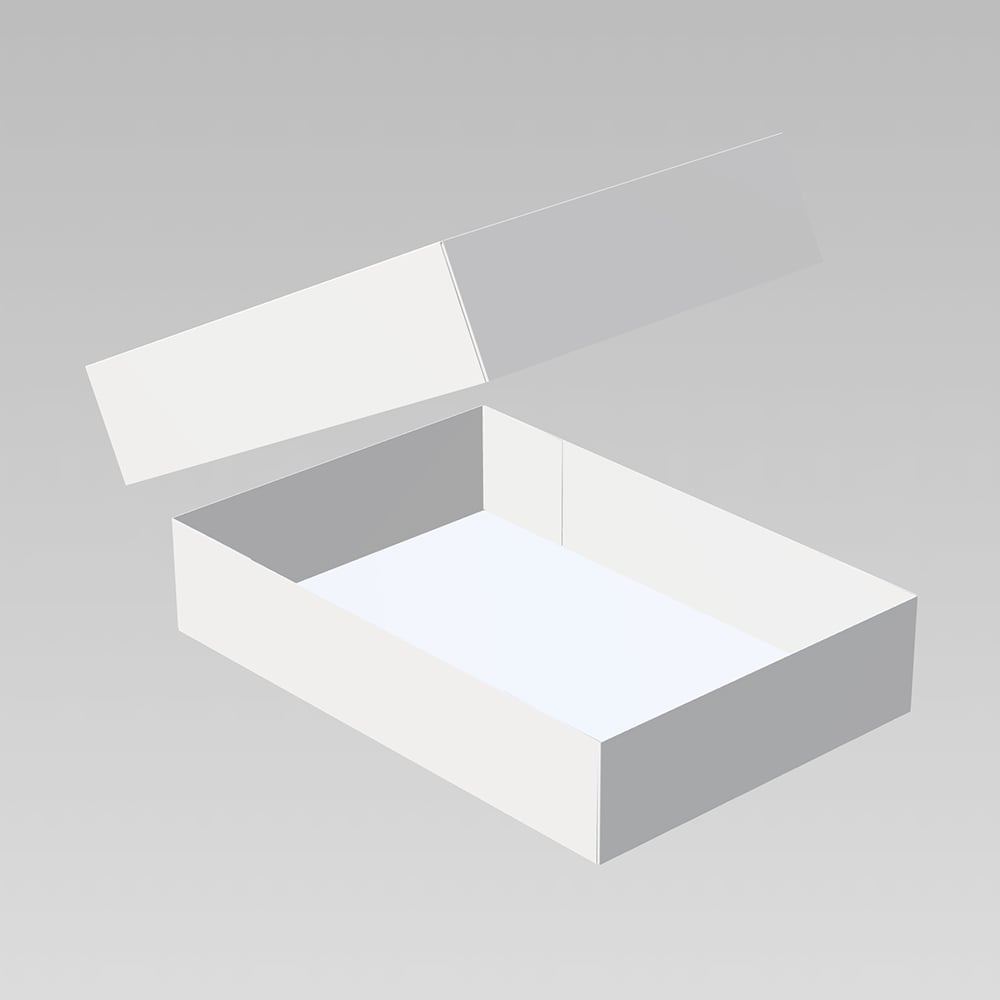 Lid & Base box
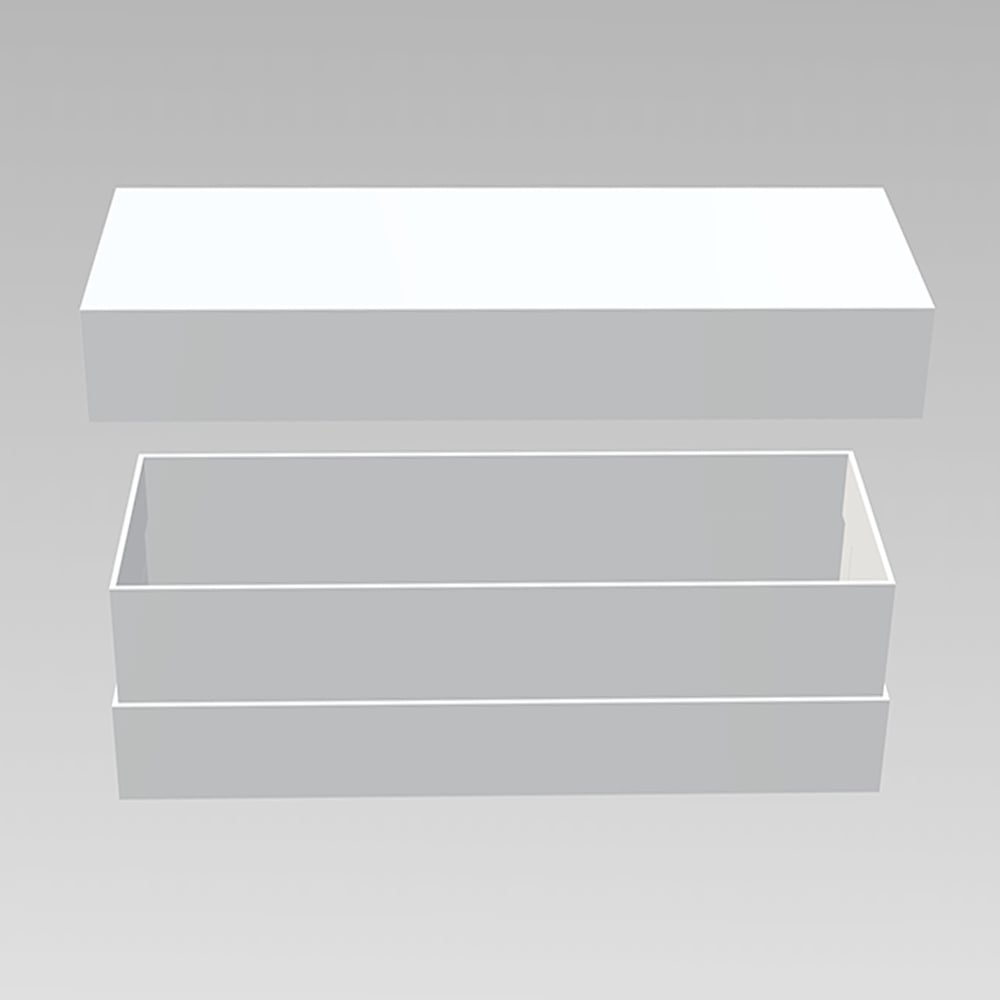 Shoulder & Neck box
 Hinged/flip Llid Box
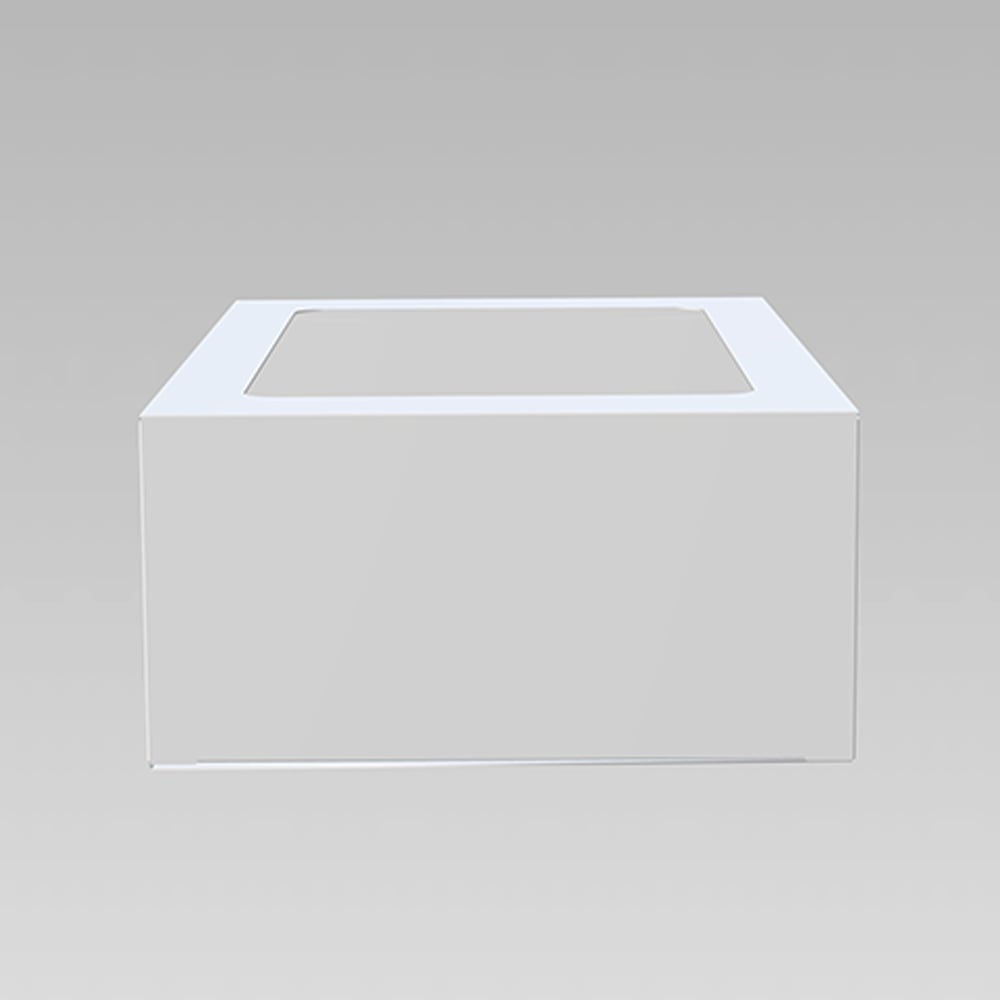 Lid with window
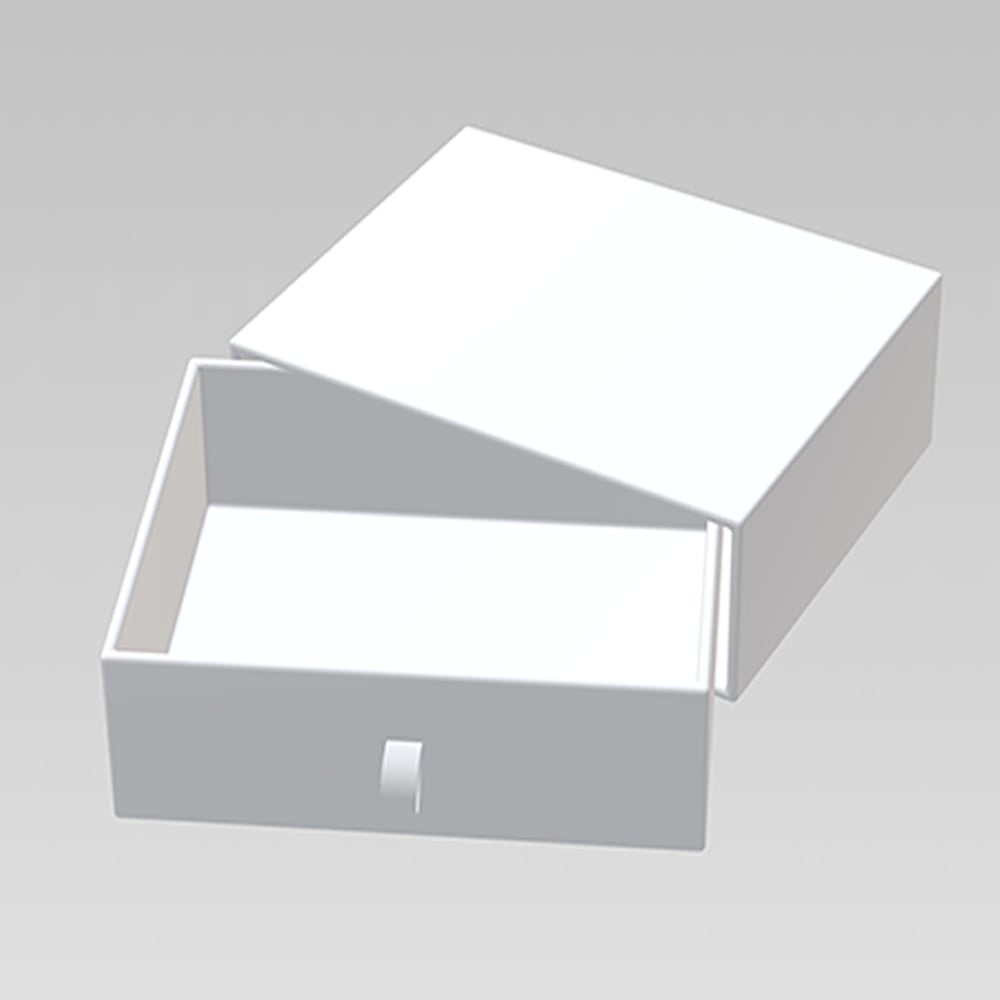 Sliding Drawers
 Corrugated Mailer
 Special Shape Boxes
 Trading collector binder
 Tags
Tags Stickers & Labels
 Gift bags
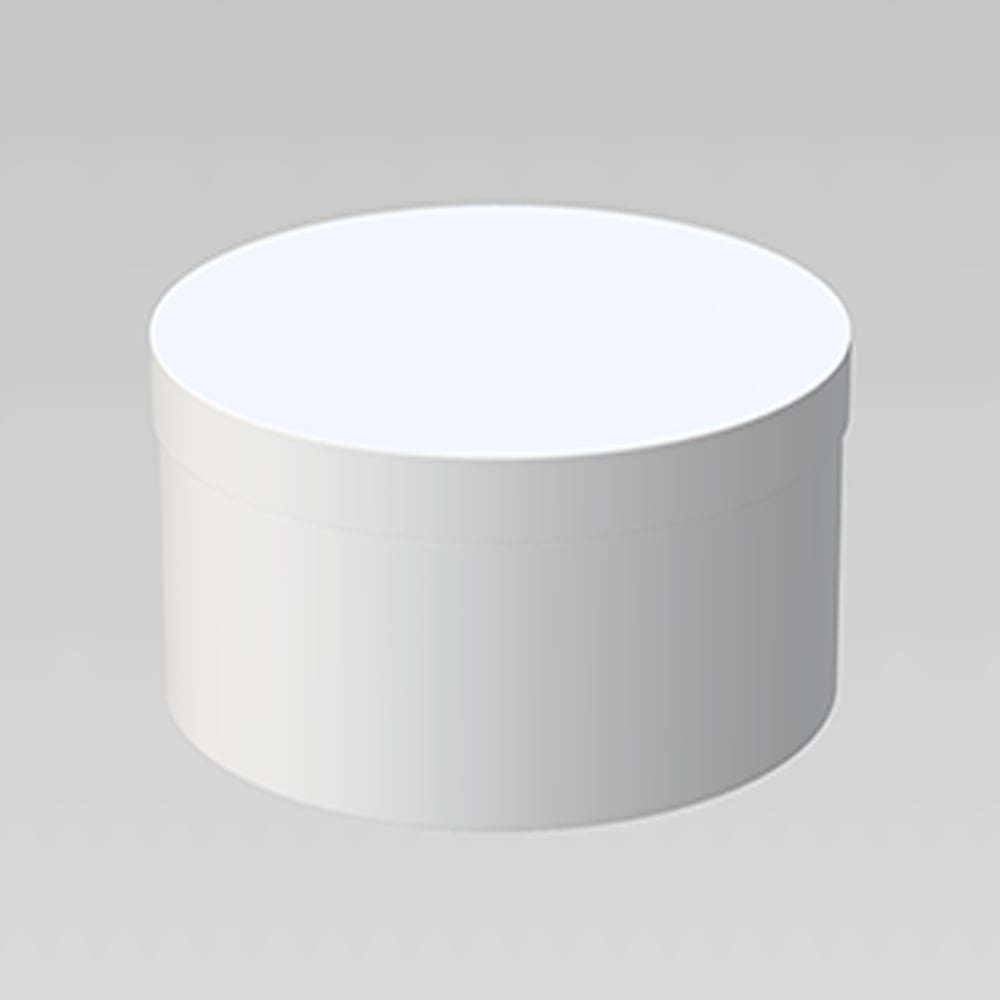 Round tube
 EN
EN