
 Apparel Boxes
 Cosmetics Boxes
 Perfume Boxes
 E-commence Boxes
 Candle Boxes
 Mug Boxes
 Business/Game Card Boxes
 CBD Boxes
 Chocolate Boxes
 Amazon Boxes
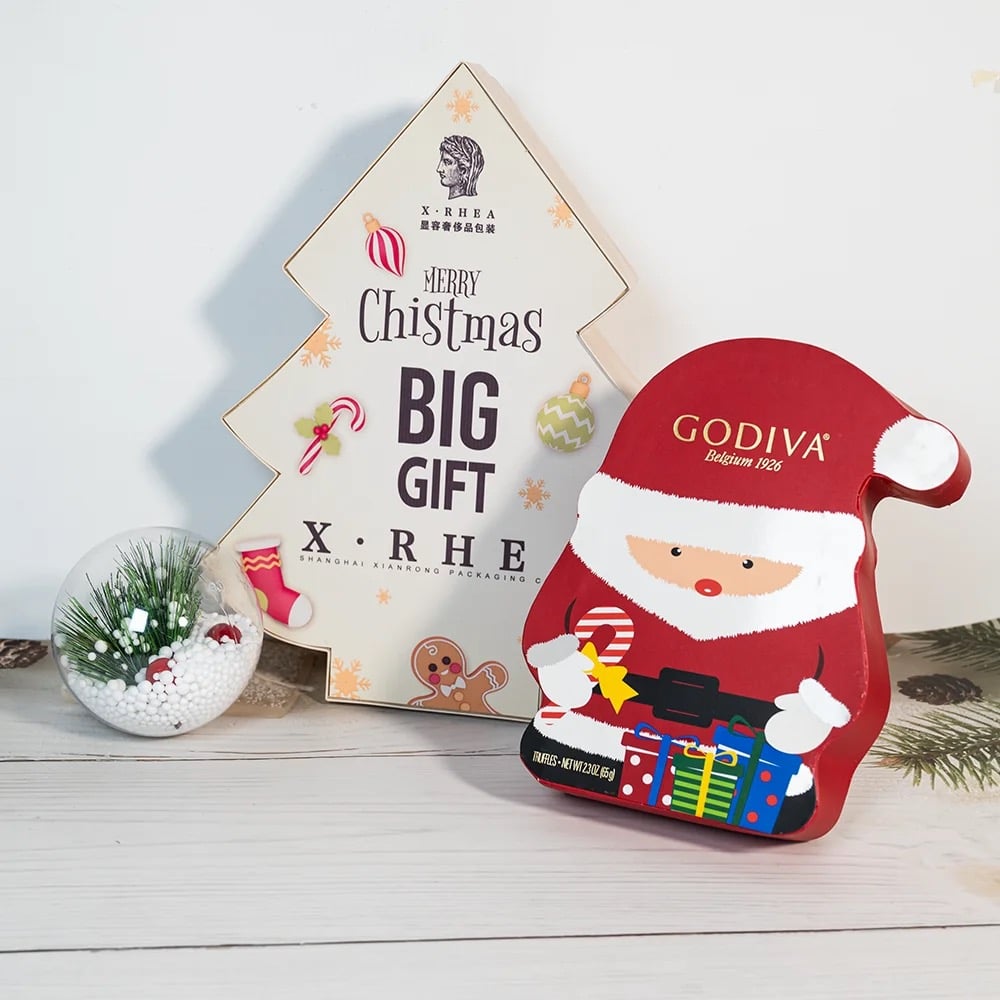 Christmas Boxes
 Jewelry Boxes
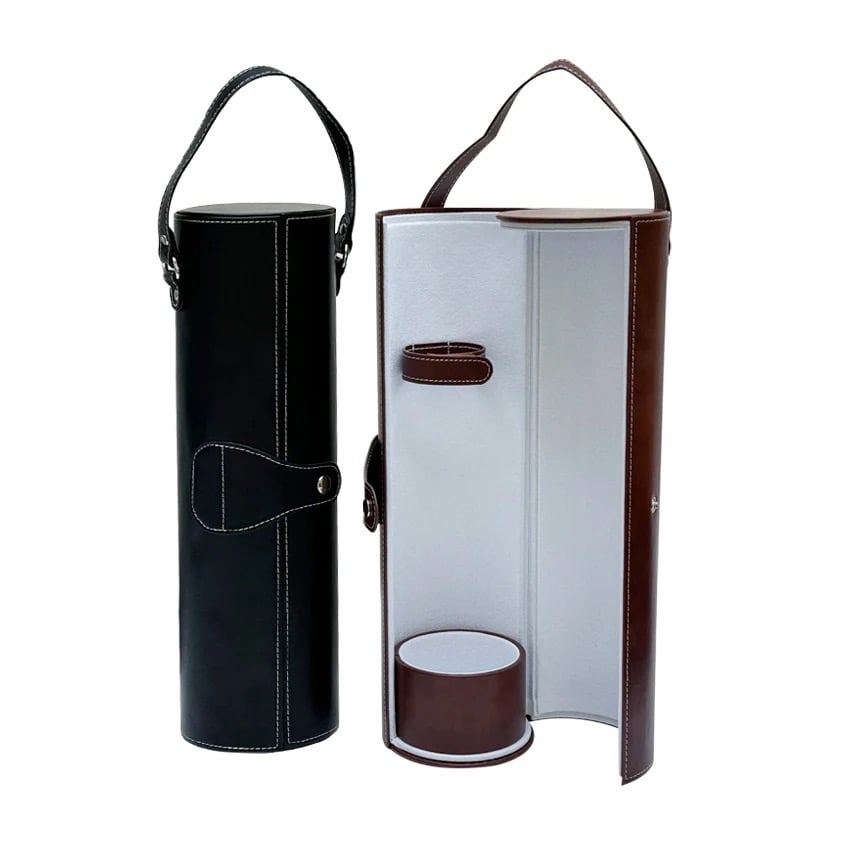 Wine Boxes
 Food Boxes
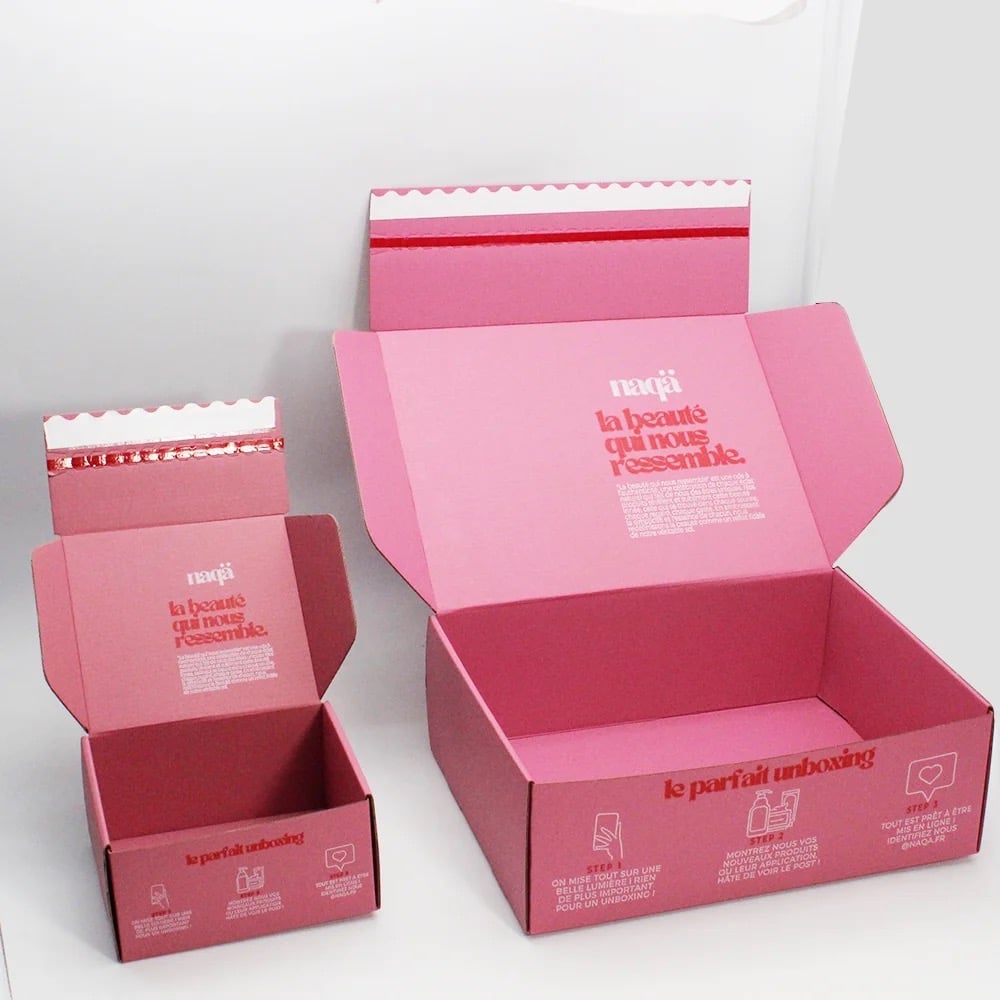 Shipping Boxes
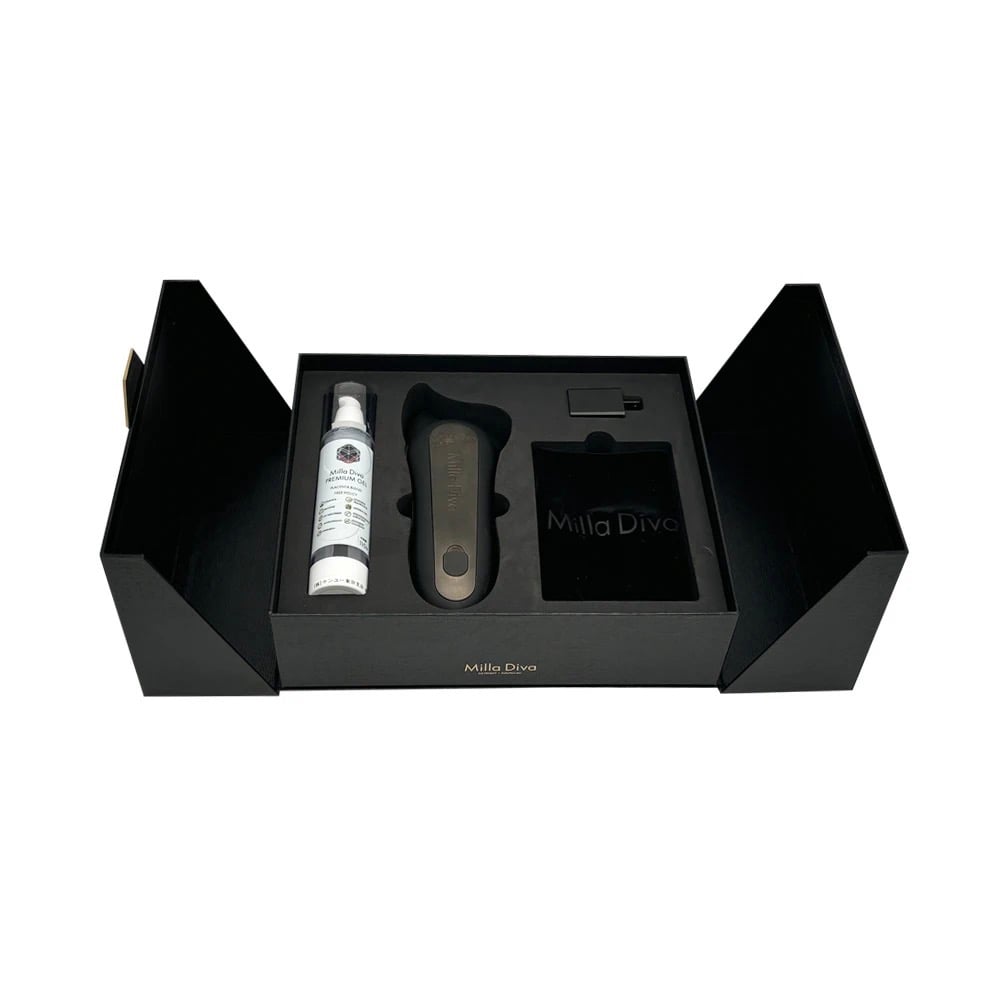 Electronic Boxes
 Pharmaceutical Boxes
 Presentation Boxes
 Magnetic Boxes
 Foldable rigid box
 Book shape rigid box
 Double door open box
 Card Boxes
 Game card box
 Business card box
 Folding carton
 Lid & Base box
 Shoulder & Neck box
 Hinged/flip Llid Box
 Lid with window
 Sliding Drawers
 Corrugated Mailer
 Special Shape Boxes
 Trading collector binder
 Tags
Tags Stickers & Labels
 Gift bags
 Round tube
 EN
EN

Sourcing sustainable packaging without compromising quality is a critical concern for B2B buyers today. As companies increasingly focus on environmental responsibility, the challenge lies in balancing sustainability with high performance and cost-effectiveness. This article will guide purchasing managers, product managers and engineers through the essential considerations for selecting sustainable packaging solutions that meet quality standards, ensuring that their choices align with both ecological goals and business requirements.
How to Choose Sustainable Packaging That Meets Quality Standards?
When selecting sustainable packaging, it is vital to ensure that it meets specific quality standards to protect the product and maintain brand integrity. Start by evaluating the materials used; for instance, opting for recycled or renewable materials such as FSC-certified paper or biodegradable plastics can significantly reduce your environmental footprint.
Next, consider the packaging’s structural integrity. It should withstand the rigors of shipping and handling while ensuring the product's safety. Products like luxury gift boxes require not only aesthetic appeal but also robustness to protect high-value items. Always request samples and conduct drop tests or compression tests to assess performance under real-world conditions before committing to a production run.
Lastly, certifications play a key role in verifying sustainability claims. Look for products certified by organizations like FSC (Forest Stewardship Council) or ISO standards that ensure compliance with international safety and environmental regulations. This not only assures buyers of the quality but also enhances the brand's reputation for sustainability.
Where to Source High-Quality Sustainable Packaging Solutions?
Sourcing sustainable packaging solutions begins with identifying reliable manufacturers known for their commitment to quality and environmental stewardship. Companies like Shanghai Xianrong Packaging, which leverages advanced manufacturing techniques and state-of-the-art equipment, can produce customized custom gift box packaging that meets specific buyer requirements. Their use of Heidelberg printing machines ensures high-quality prints and precise finishes that elevate the overall presentation. Trade shows and industry expos are excellent venues for discovering suppliers who specialize in sustainable materials. Engaging directly with manufacturers allows buyers to ask pertinent questions about material sourcing, production processes and customization capabilities, as well as assessing the company’s commitment to sustainability. Additionally, online platforms dedicated to B2B exchanges can provide a wealth of options. These platforms often include reviews and ratings from previous clients, making it easier to gauge the reliability of different suppliers and their product quality.
Key Specifications to Evaluate When Selecting Sustainable Packaging
Choosing the right sustainable packaging involves careful evaluation of several key specifications:
Material Composition: Ensure that the packaging material is environmentally friendly, such as recycled content or biodegradable options. This affects not only sustainability but also the packaging's performance characteristics, such as strength and barrier properties.
Dimensions and Weight: The size and weight of the packaging should align with the product specifications to minimize waste and optimize shipping costs. Customization capabilities can help achieve the perfect fit, reducing excess material use.
Sealing and Closure Mechanisms: The method of sealing can impact the product's shelf life and safety. For food products, for instance, airtight seals are essential to prolong freshness and prevent contamination.
Printing Quality: High-quality printing not only enhances brand visibility but also ensures that essential information is clearly communicated. This is particularly important for luxury folding carton packaging where appearance directly influences customer perception.
Durability and Performance Testing: Assess whether the packaging can withstand different conditions, such as temperature fluctuations and moisture exposure, especially if the product is sensitive.
Each specification should be tailored to meet the unique requirements of the product and its intended market.
Quality and Cost Factors
Quality and cost are two sides of the same coin in packaging procurement. While sustainable materials may initially seem more expensive, it's crucial to consider the total cost of ownership, which includes manufacturing, transportation, and potential waste. For example, opting for a higher-quality material can lead to fewer damages during shipping, reducing replacement costs and enhancing customer satisfaction. Furthermore, investing in premium sustainable packaging can elevate a brand's market position, attracting environmentally conscious consumers willing to pay a premium for quality and sustainability. Moreover, understanding the minimum order quantities (MOQs) is essential. Some manufacturers may impose high MOQs that could lead to excess inventory and increased costs. It's advisable to negotiate these terms based on projections and market demand.
Ensuring Quality Use
To ensure the quality of sustainable packaging from production through to end-use, implement a robust quality control process. Start by conducting thorough inspections of samples before mass production. This should include checking for compliance with specified dimensions, print quality and material integrity. Engaging in a collaborative relationship with your supplier can facilitate better quality assurance. Regular communication about any issues arising during production can help address potential problems early, preventing costly mistakes and delays. Additionally, consider implementing a feedback mechanism with end-users to gather insights on the packaging's performance in real-life applications. This information can provide valuable data for future improvements and customization efforts, ensuring that the gift packaging continuously meets quality expectations. By understanding these critical aspects of sourcing sustainable packaging, purchasing managers and product developers can make informed decisions that align with their sustainability goals while maintaining high quality and performance standards.