
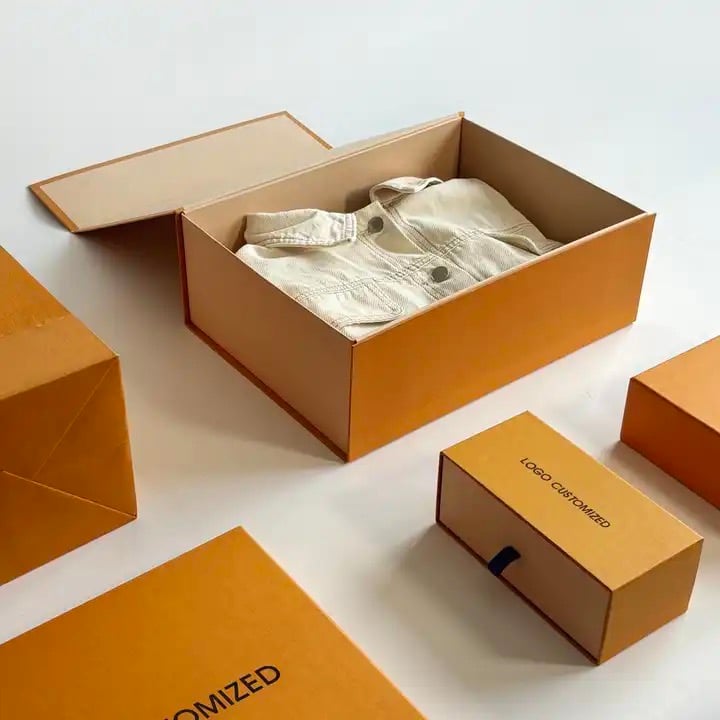
 Apparel Boxes
 Cosmetics Boxes
 Perfume Boxes
 E-commence Boxes
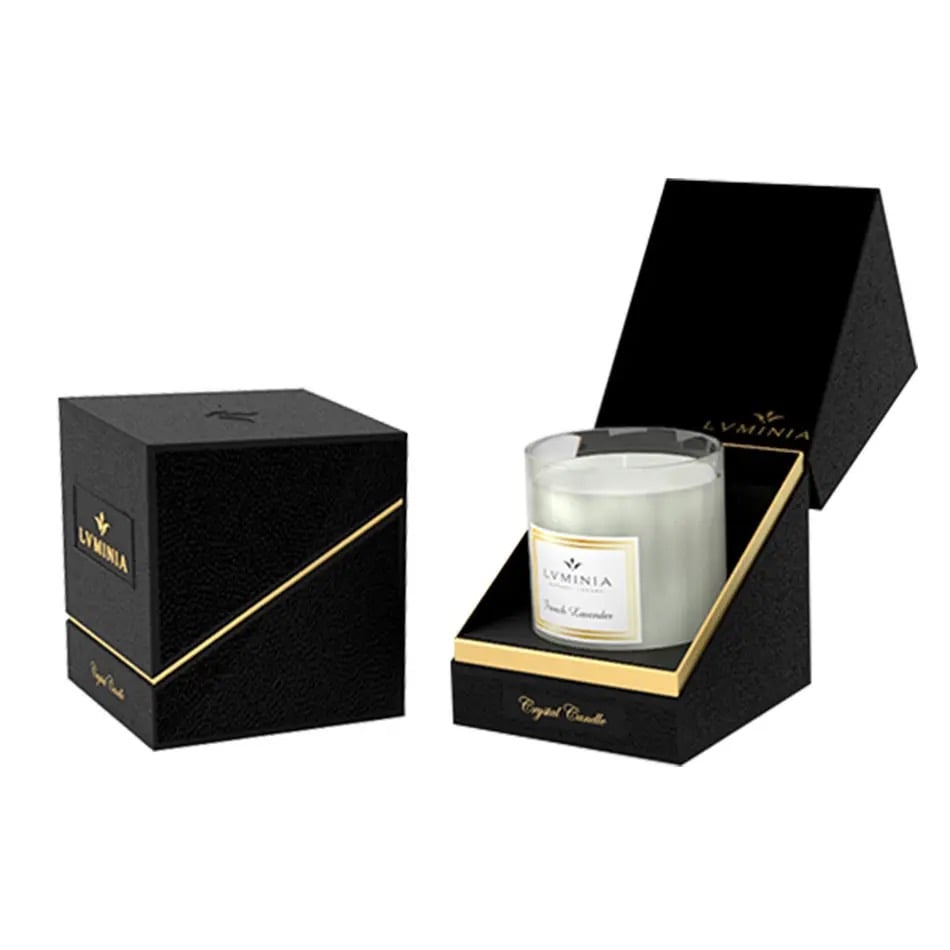 Candle Boxes
 Mug Boxes
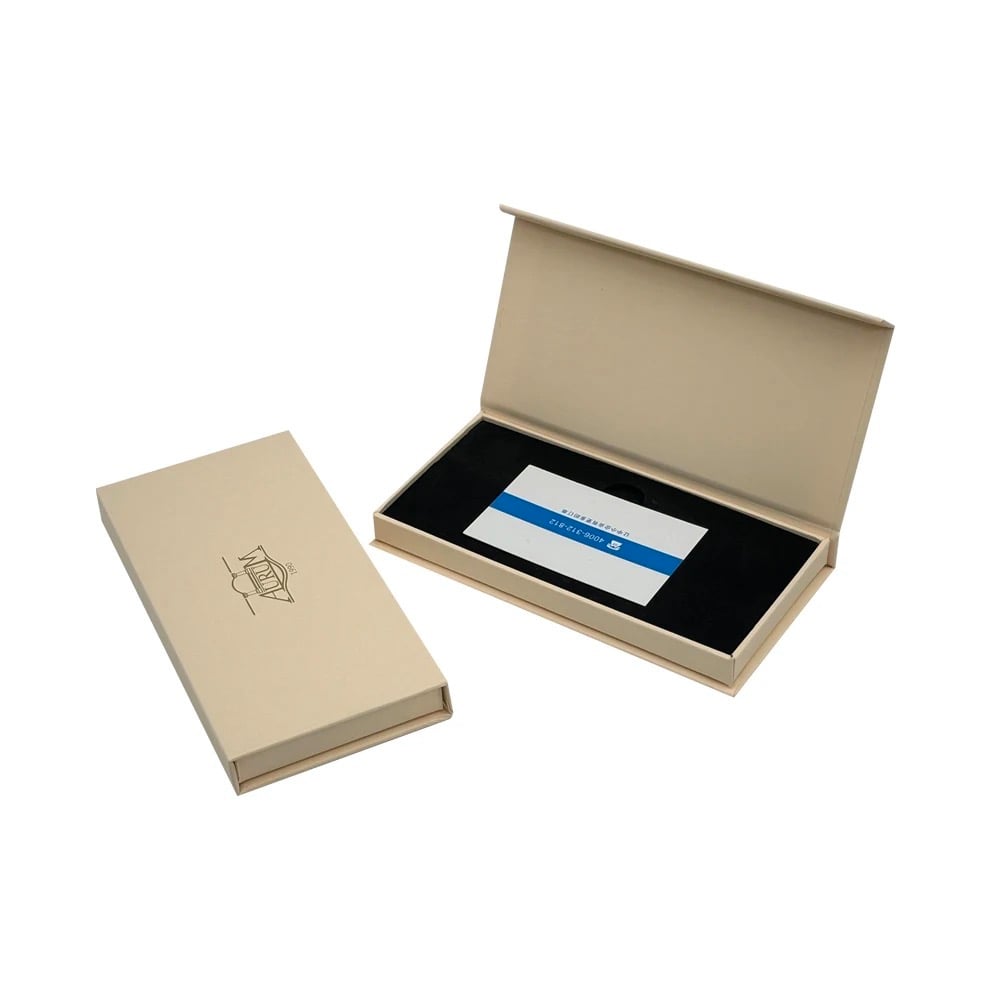 Business/Game Card Boxes
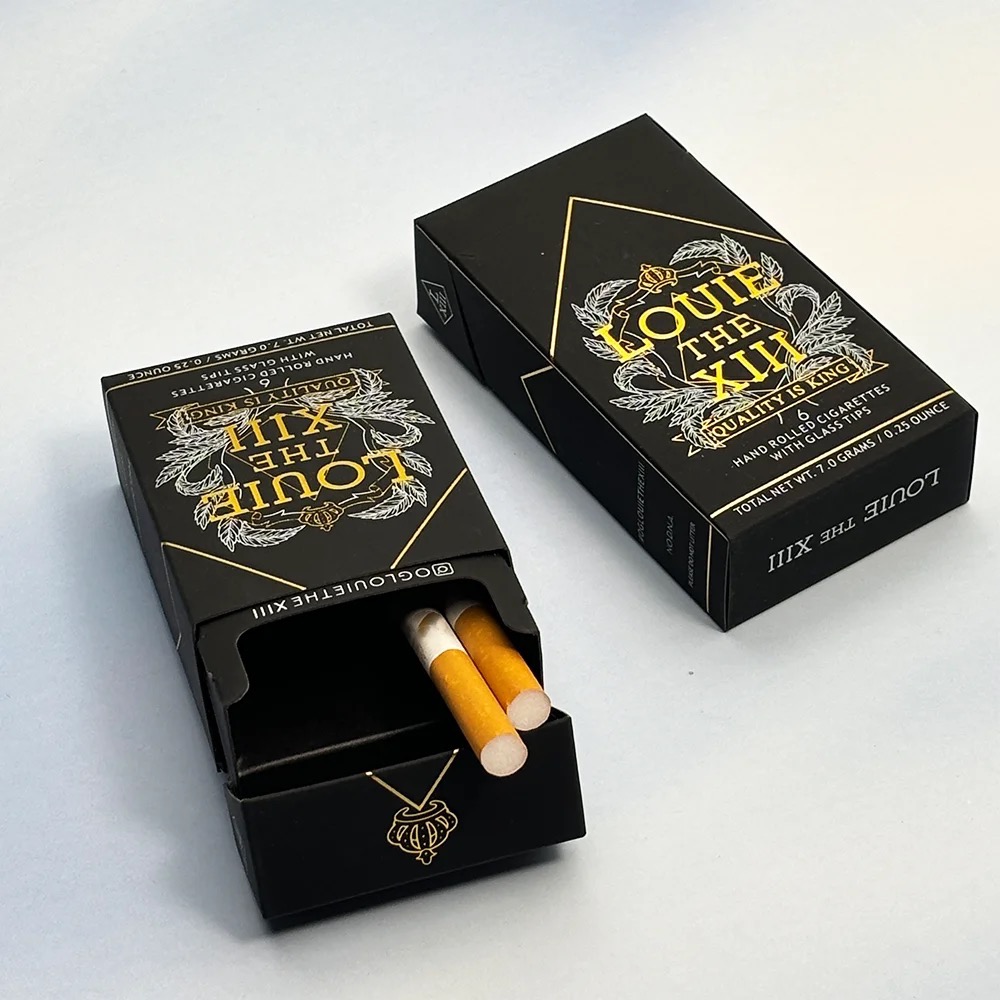 CBD Boxes
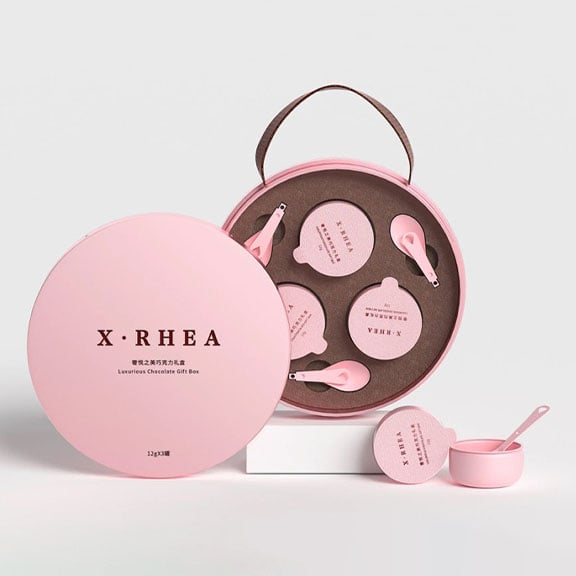 Chocolate Boxes
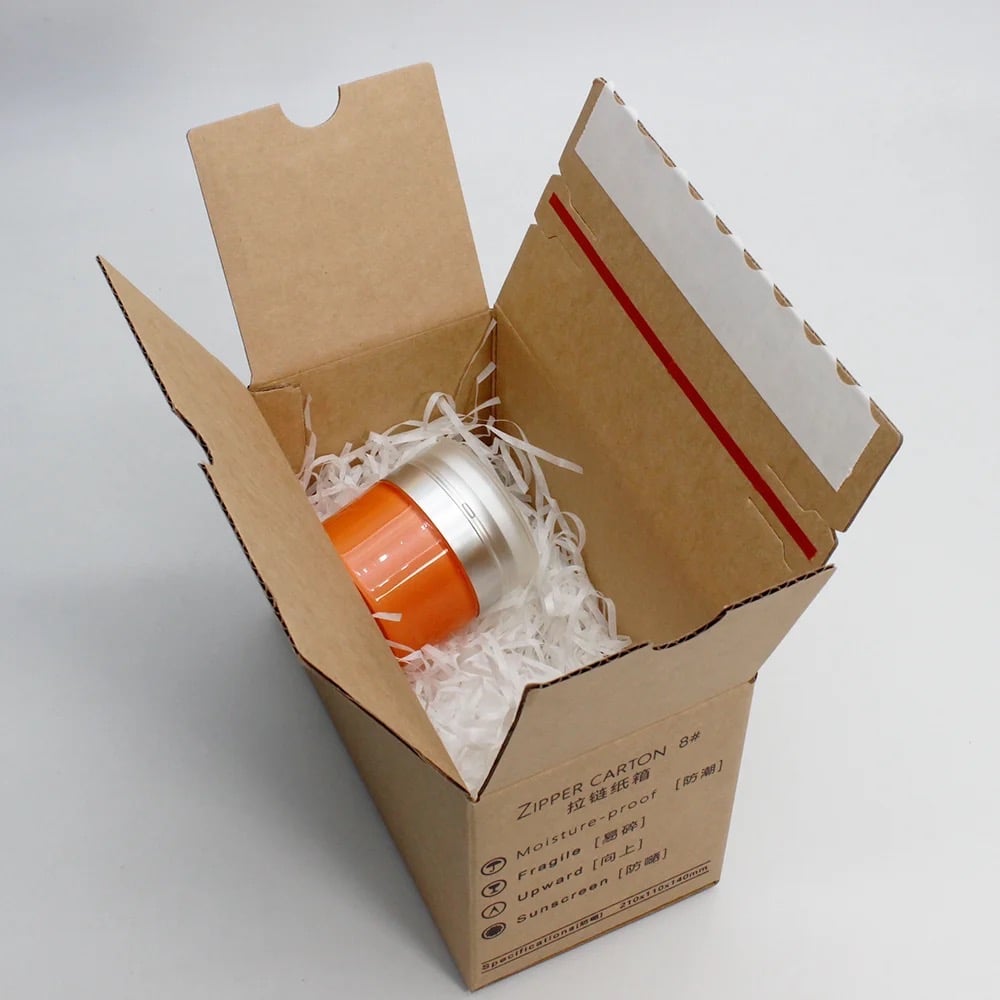 Amazon Boxes
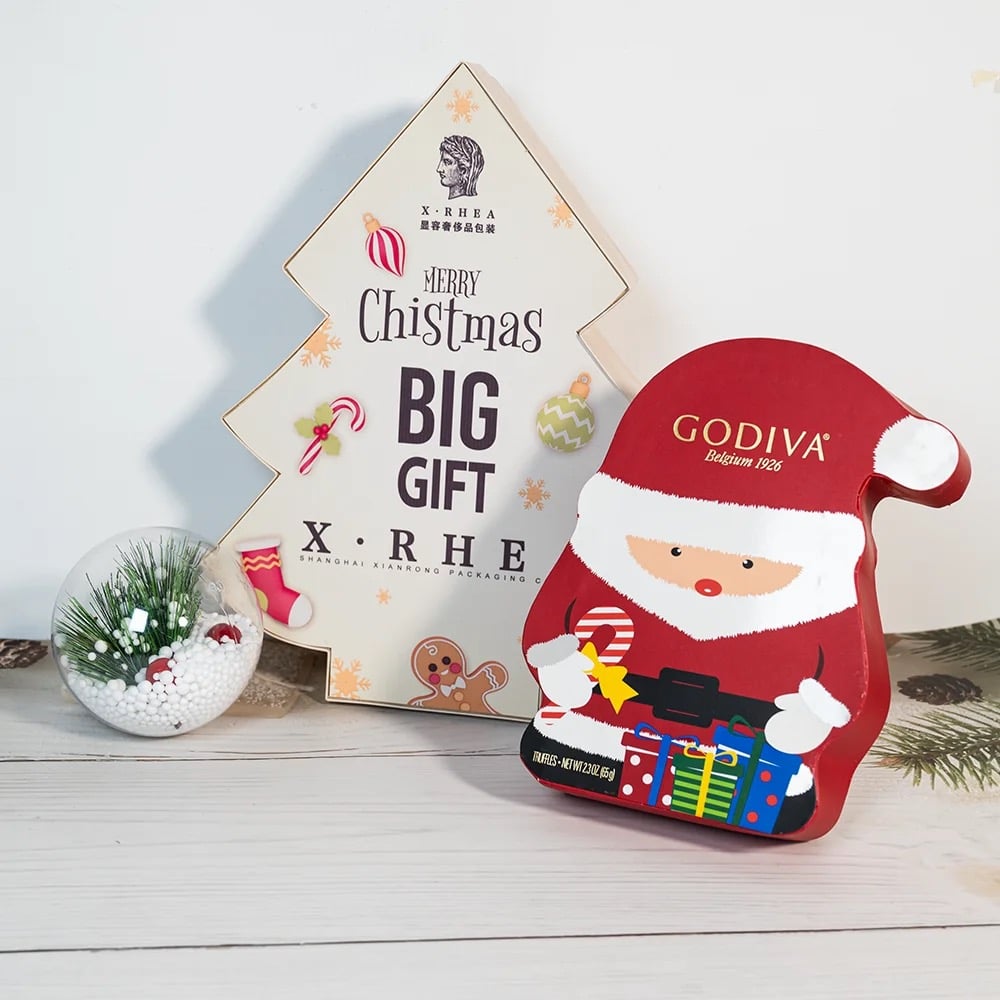 Christmas Boxes
 Jewelry Boxes
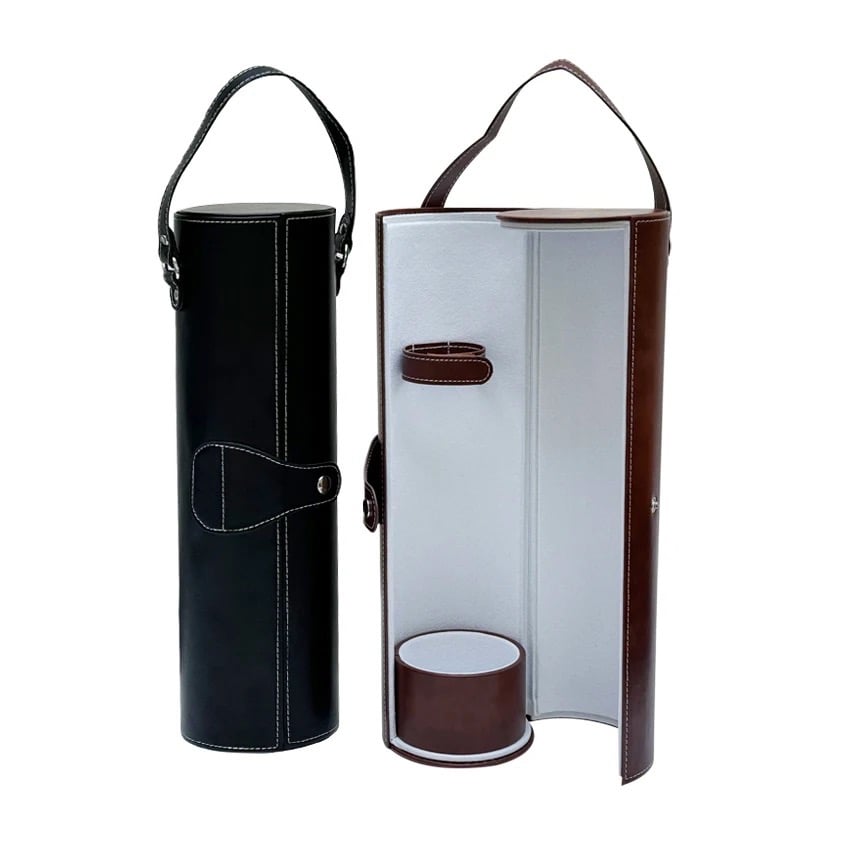 Wine Boxes
 Food Boxes
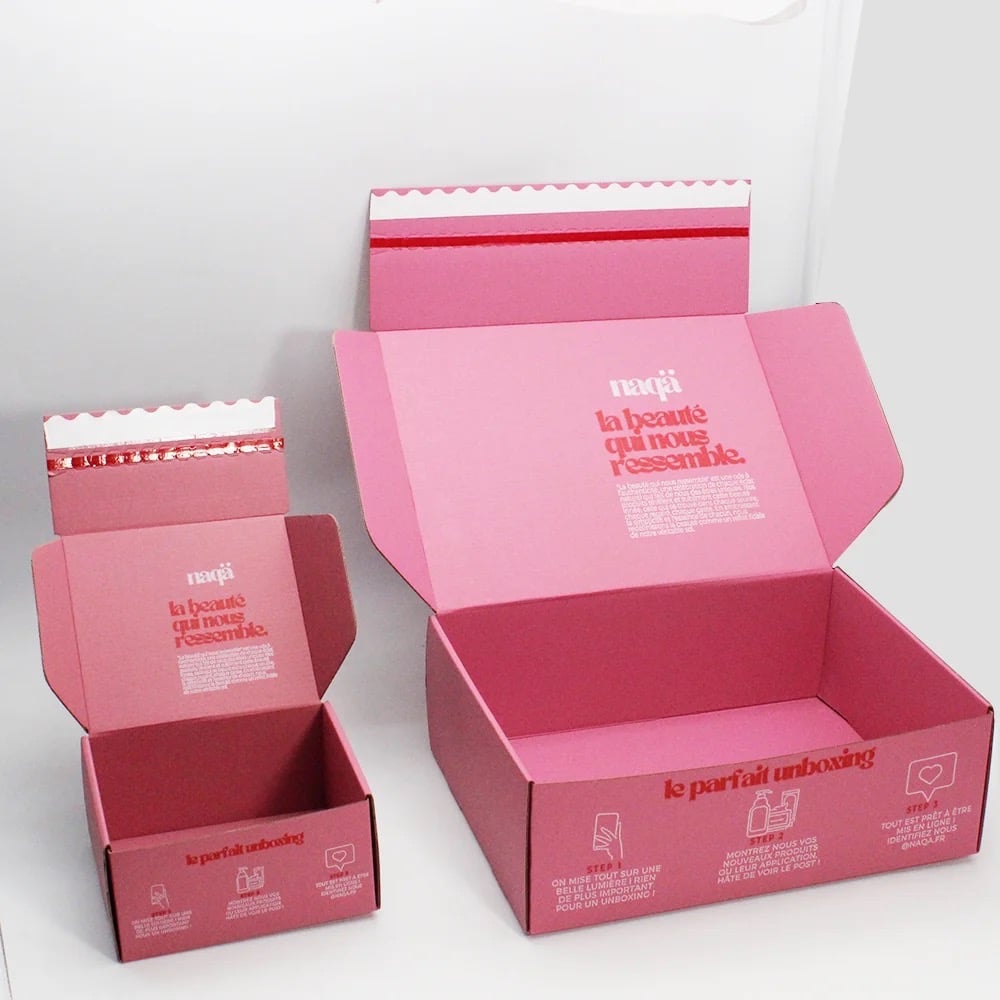 Shipping Boxes
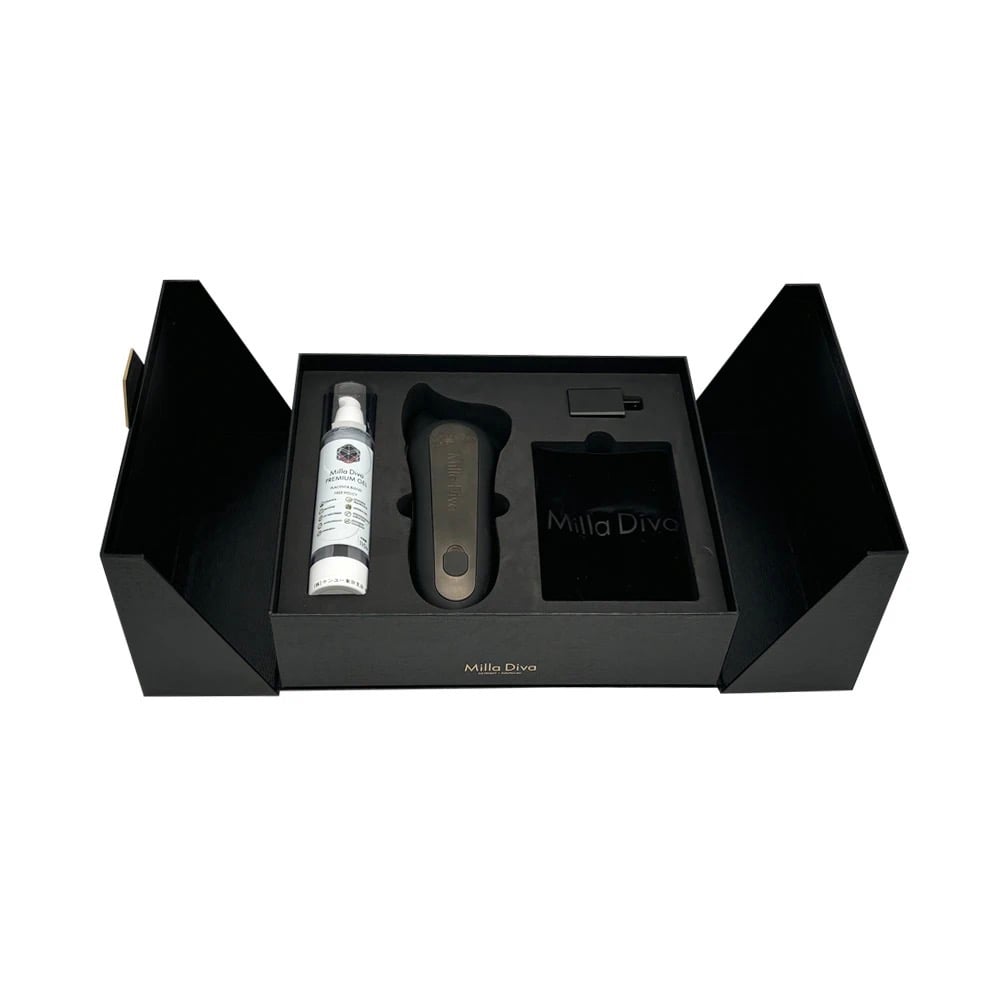 Electronic Boxes
 Pharmaceutical Boxes
 Presentation Boxes
 Magnetic Boxes
 Foldable rigid box
 Book shape rigid box
 Double door open box
 Card Boxes
 Game card box
 Business card box
 Folding carton
 Lid & Base box
 Shoulder & Neck box
 Hinged/flip Llid Box
 Lid with window
 Sliding Drawers
 Corrugated Mailer
 Special Shape Boxes
 Trading collector binder
 Tags
 Stickers & Labels
 Gift bags
 Round tube
 EN
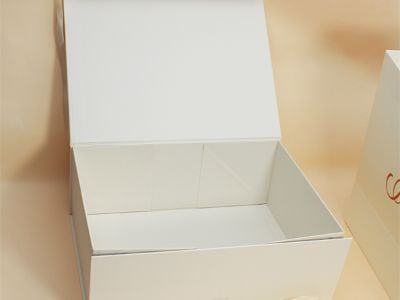
Handling quality disputes with overseas packaging suppliers can be a complex process, often fraught with challenges related to communication, cultural differences, and varying standards. As a purchasing manager or product manager, your primary concerns likely involve ensuring that the gift packaging meets your quality expectations while maintaining cost-efficiency and adhering to timelines. This article will guide you through the essential steps to effectively manage quality disputes, helping you to mitigate risks and maintain strong supplier relationships.
How to Choose Reliable Overseas Packaging Suppliers for Quality Assurance?
Selecting a trustworthy overseas packaging supplier is critical to ensuring quality assurance. Start by conducting thorough research on potential suppliers. Look for manufacturers with established reputations, verified customer reviews, and a portfolio of previous work that aligns with your specific needs.
Ask for certifications such as ISO and RoHS, which indicate compliance with international quality standards. Additionally, consider suppliers who use advanced manufacturing equipment, such as Heidelberg printing machines, known for their precision and quality output.
Establish clear communication channels to discuss quality expectations from the outset. This can include defining specifications related to materials, dimensions, and finishes. Ensure that your supplier has a robust quality control process in place, including regular inspections and audits, to maintain standards throughout the production cycle.
Key Specifications to Evaluate When Sourcing Packaging from Abroad
When sourcing packaging from overseas, there are several key specifications that you should evaluate to ensure the final product meets your requirements.
Material Selection: Assess the materials used, such as FSC-certified paper or eco-friendly alternatives. The choice of material should align with your product's protection needs and brand image.
Dimensions and Tolerances: Define the exact dimensions required for your custom gift box packaging. Ensure that the supplier can meet these specifications consistently, as minor deviations can lead to significant issues during the packing and shipping processes.
Printing Quality: Review the supplier's printing capabilities. Ensure that they can deliver high-quality graphics and text, especially for luxury gift packaging, where appearance is paramount.
Customization Options: Confirm the range of customization options available. This can include embossing, foil stamping, or unique closure methods, which can enhance the perceived value of your product.
Lead Times and Minimum Order Quantities (MOQ): Understand the lead times associated with orders, particularly for custom packaging. Additionally, confirm the MOQ, as this can impact your inventory management and cash flow.
Common Quality Problems with Overseas Packaging and Their Solutions
Quality issues can arise from various factors when dealing with overseas suppliers. Here are some common problems and their potential solutions:
Inconsistent Printing: Variations in color and print quality can occur due to differences in equipment or techniques. To mitigate this, request a prototype or sample before mass production. This allows you to assess the print quality and make adjustments as necessary.
Material Defects: Issues such as weak seams or incorrect material thickness can compromise packaging integrity. Implement a robust quality assurance plan that includes random inspections of materials during production to catch defects early.
Misalignment with Specifications: Sometimes, the final product may not align with your specifications. Establish clear documentation of all agreed specifications and maintain ongoing communication with your supplier throughout the production process to ensure compliance.
Understanding Cost Factors in Bulk Orders of Packaging Products
When negotiating costs for bulk orders of packaging products, several factors come into play.
Material Costs: The type and quality of materials significantly influence pricing. Sustainable materials, such as FSC paper and soy ink, may come at a premium but can enhance your brand's appeal.
Production Volume: Higher order quantities typically lead to lower per-unit costs due to economies of scale. However, ensure that your order volume aligns with your inventory needs to avoid excess stock.
Customization Requirements: Custom designs and specifications can increase production costs. Be clear about your requirements from the start to receive accurate quotes and avoid unexpected charges later.
Shipping and Handling: Factor in shipping costs, which can vary based on the supplier's location and the delivery method. Consider establishing long-term relationships with freight forwarders to optimize shipping costs.
Payment Terms: Negotiate favorable payment terms that can help manage cash flow. This may include deposits upfront and payment upon delivery or milestones during production.
Installation Guidance for Quality Packaging Products from Overseas Suppliers
Once you receive your packaging products, proper installation and handling are essential to maintaining quality.
Inspection upon Arrival: Conduct a thorough inspection of the packaging as soon as it arrives. Check for any visible defects, misprints, or damage. Document any issues with photographs and maintain records for dispute resolution.
Storage Conditions: Store packaging materials in a controlled environment to prevent damage from moisture or temperature fluctuations. Follow specific guidelines provided by the supplier, particularly for sensitive materials.
Sample Testing: Before fully implementing a new packaging solution, conduct tests with a few units under actual operating conditions. This will help you identify any potential issues related to fit or functionality that may not have been apparent during the initial evaluation.
Training for Staff: If the packaging requires specific handling or assembly instructions, ensure that your team is trained accordingly. This can prevent mishaps during the packing process that could compromise the appearance or integrity of the product.
By adhering to these best practices, you can effectively navigate quality disputes with overseas packaging suppliers and maintain a strong supply chain that reflects your brand’s commitment to quality.
Table of Contents
- How to Choose Reliable Overseas Packaging Suppliers for Quality Assurance?
- Key Specifications to Evaluate When Sourcing Packaging from Abroad
- Common Quality Problems with Overseas Packaging and Their Solutions
- Understanding Cost Factors in Bulk Orders of Packaging Products
- Installation Guidance for Quality Packaging Products from Overseas Suppliers